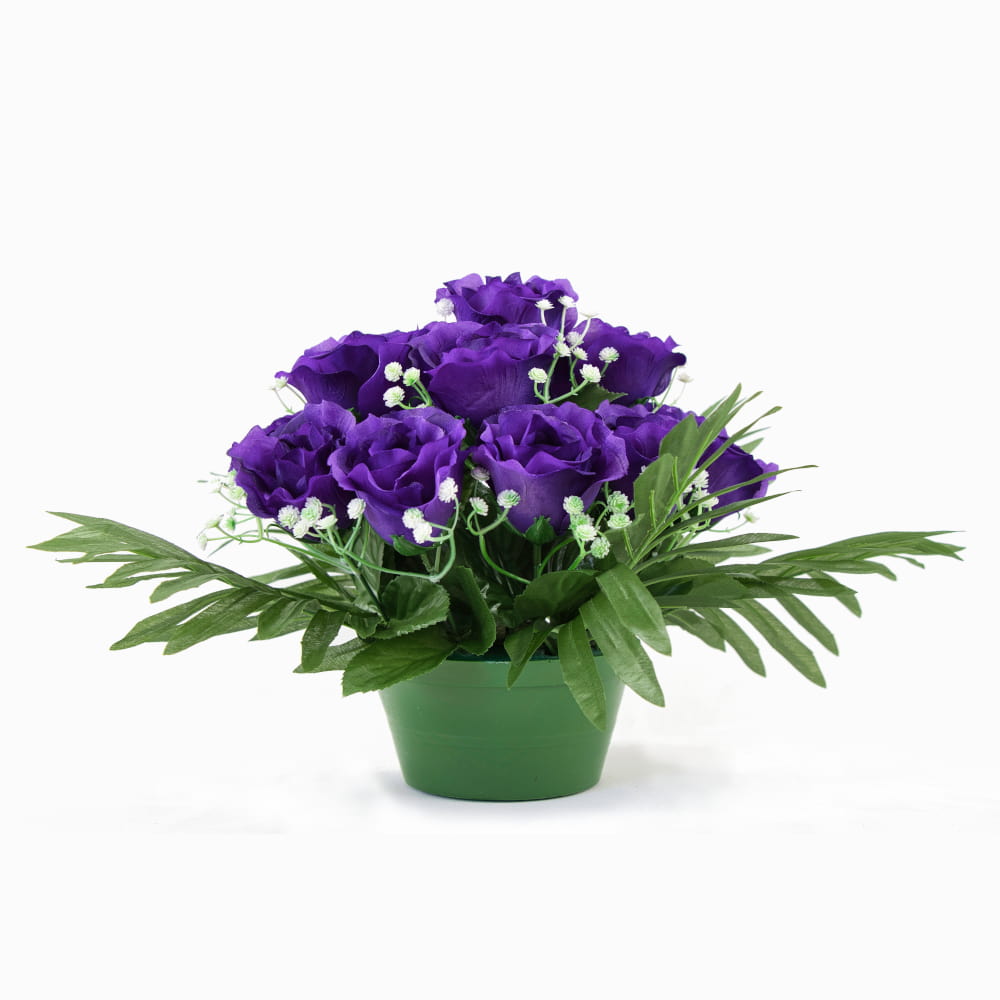




Why Fresh Flowers Are Often Banned in Aged Care
(And the Perfect Safe Alternative)

We all want to brighten the room of a loved one in care with a splash of colour. But did you know that your thoughtful bouquet of fresh lilies might actually be turned away at the door? We explain why many facilities restrict fresh blooms and how you can still bring joy safely.
It is a heartbreaking moment: you arrive at the hospital or nursing home with a stunning bouquet of fresh flowers to cheer up a parent or friend, only to be told by the nurse, “I’m sorry, we can’t have those in here.”
It feels strict, but these rules exist for very important safety reasons. As environments become more focused on high-level care and infection control, the “traditional” gift of fresh flowers is becoming less common.
Here are the four main reasons why fresh flowers are often restricted in Aged Care, ICUs, and Oncology wards—and the solution that solves them all.
1. The Invisible Risk: Bacteria in the Water
The number one reason hospitals and high-care units ban fresh flowers isn’t the flower itself—it is the water.
Stagnant vase water is a breeding ground for bacteria, particularly Pseudomonas aeruginosa. While harmless to healthy people, this bacteria can be dangerous for elderly residents or patients with weakened immune systems. For this reason, many ICU and burns units have a strict “No Fresh Flowers” policy to keep the environment sterile.
2. The “Achoo” Factor: Allergens and Respiratory Issues
In a shared room or a ward with residents suffering from respiratory issues (like COPD or asthma), pollen is a major irritant. Flowers with heavy scents or high pollen counts (like Lilies) can trigger coughing fits, sneezing, or breathing difficulties, not just for your loved one, but for their roommate and the care staff.
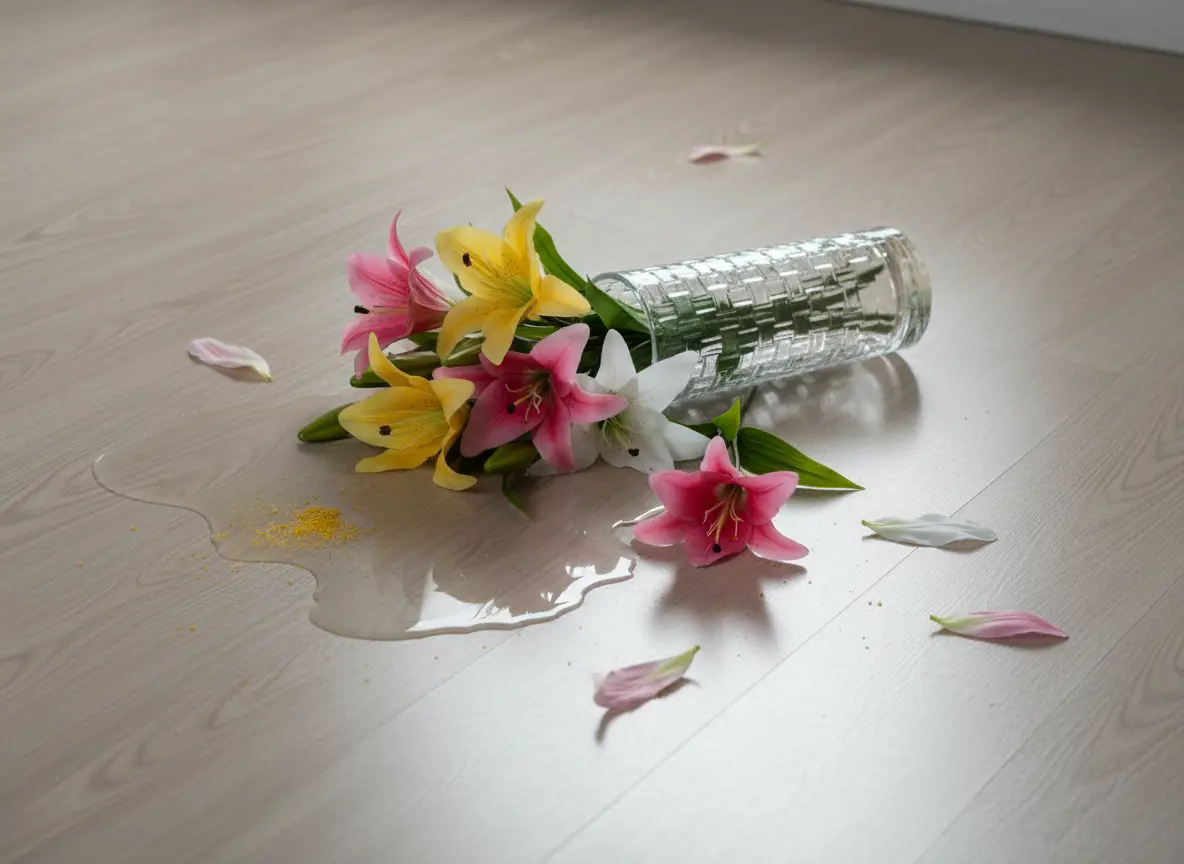
3. The Trip Hazard: Spills and Glass
Space is often tight in nursing home rooms. Bedside tables are used for water, glasses, books, and medication. A heavy glass vase filled with water is easily knocked over.
A spill creates an immediate slip hazard on vinyl floors—a major risk for residents using walkers or canes. Additionally, broken glass from a tipped vase presents a danger to staff and residents alike.
4. Confusion and Maintenance
For residents living with Dementia or Alzheimer’s, distinguishability is key. Residents may sometimes confuse soil for food, or attempt to “water” plants with other liquids, causing mess and hygiene issues. Furthermore, caring for fresh flowers places an extra burden on busy care staff who are already stretched thin.
The Solution: The “Safe-Home” Weighted Pot
So, does this mean our loved ones must live in bare, colourless rooms? Absolutely not.
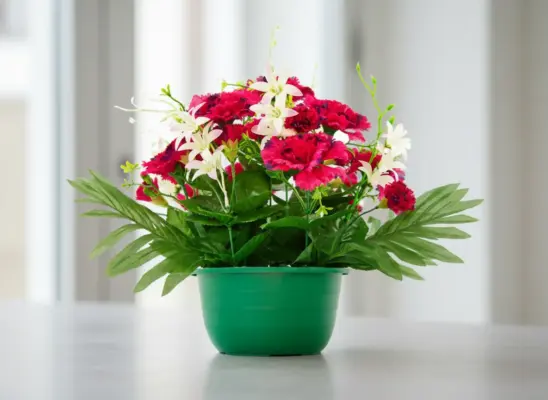
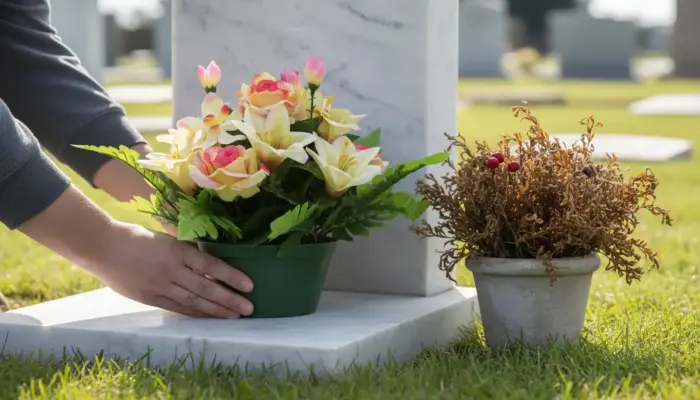
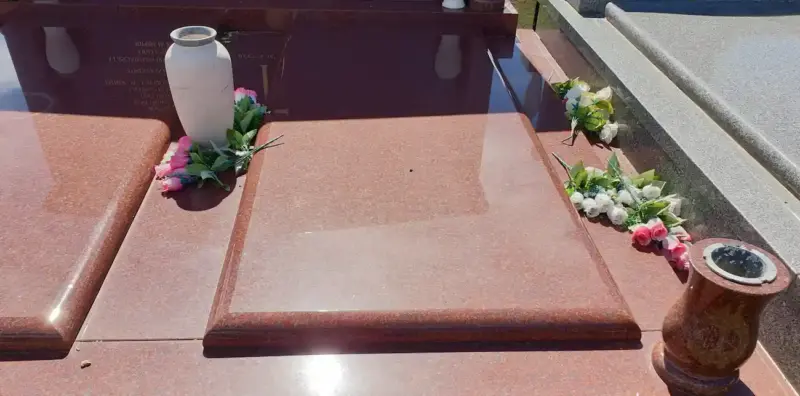
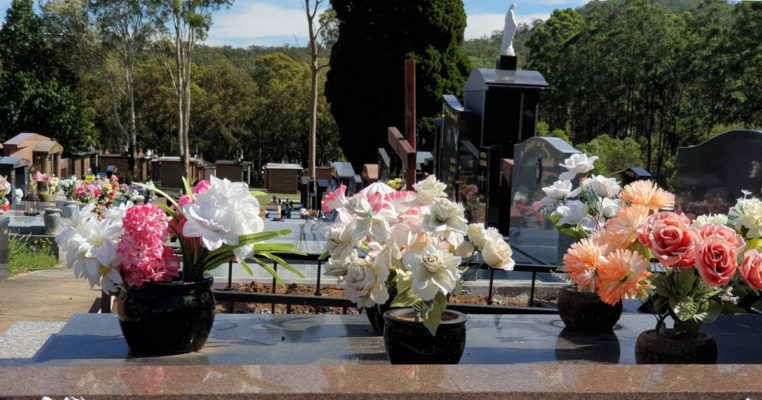
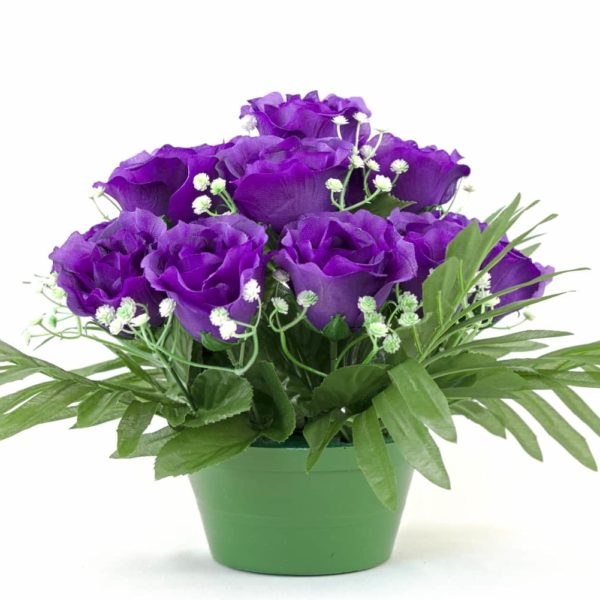
At Gifts After Life, we have engineered a solution that brings the beauty of nature into care environments without any of the risks. Originally designed to withstand wind in outdoor memorials, our Weighted Faux Flower Pots have become the “Gold Standard” for Aged Care safety.

- ✅ Weighted Stability Base: Our pots feature a concealed clay insert. They are heavy enough to stay put if bumped by a wheelchair or walker, preventing spills.
- ✅ 100% Hypoallergenic: No pollen, no scent, no sneezing. Safe for shared rooms and respiratory wards.
- ✅ Water-Free Hygiene: Zero risk of bacteria growth. Zero risk of spills.
- ✅ Dementia Friendly: Bright, stimulating colours with no soil or maintenance required.
The Verdict?
You can still bring joy. By choosing a high-quality, weighted artificial arrangement, you are giving a gift that is safe, permanent, and accepted in every level of care.

Library Categories

Recent Articles
(Insert Recent Posts Widget)