
Finding the Right Words Through Flowers
Our Gifts After Life Funeral Faux Flower Guide, steeped in the rich tradition of floriography, offers guidance on selecting the appropriate blooms to commemorate a cherished loved one.
Whether choosing from a range of fresh, artificial, or simulated flowers, the task of picking the perfect tribute to express your love and grief can be daunting. But with the aid of our floriographical guide, you will be able to navigate the vast array of flower types, colours, and their symbolic meanings with ease and grace.
A Picture is Worth a Thousand Words
Flowers play an integral role in global cultures, particularly in the West. A flower’s symbolism can range from something as simple as love and appreciation to complex concepts of honour, respect, and eternal memory.
To a passerby, the arrangement of flowers can tell a stranger everything they need to know about the person who has passed away. The style, the number of flowers, and the genus can depict the personality of your loved one.
Passion & Strength
A placement of Red Roses conveys that the person was passionate, a lover, or that the friendship was intense and powerful.
Purity & Innocence
Conversely, White Lilies often convey that the soul was innocent, pure, and dignified.
Often, people will walk past a well-maintained site and think: “Wow, this person was loved.” Even without meeting them, the colours and memorabilia paint a vivid picture of who they were—whether they were young and playful, or a dignified father or mother figure.
A Note on the “Bare” Gravesite
We believe it is important not to judge a gravesite if it appears bare. Often, the person who has passed may not have family alive to attend to their grave, or loved ones may live too far away to maintain fresh flowers weekly. For this reason, a site may appear neglected even if the love remains strong.
This is where Faux Flowers serve a vital purpose. Regardless of whether a flower is “Real” or “Artificial,” the colour meaning remains the same. The difference is longevity.
Because our Faux Flowers are handcrafted simulations of nature designed for extreme weather conditions, they ensure that a gravesite never looks abandoned. A real flower lasts a matter of days; a faux tribute ensures the memory remains visible for months.
The History & Resources (Read More)
For those interested, the practice of assigning meaning to a flower is known as Floriography. From what we understand, the first published list mentioning symbolic meanings was by Joseph Hammer-Purgstall in his Dictionnaire du language des fleurs (1809), followed by the first dictionary of Floriography in 1819 by Louise Cortambert.
Our guide below is a work in progress, synthesizing these historical sentiments with modern cultural meanings. We welcome your input if you feel a meaning is missing.
External Botanical References:
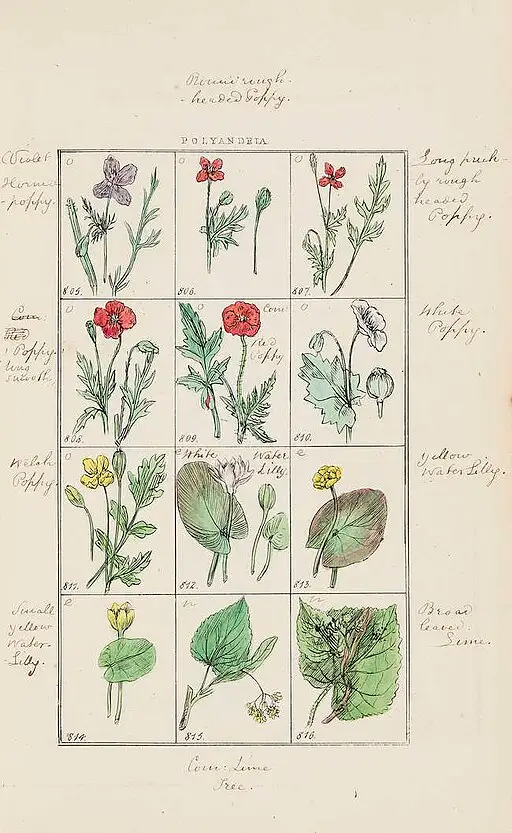
Pictorial Flora
A study of garden flora.
The Letter A: Beginnings & Resilience
The letter ‘A’ marks the beginning of the alphabet and, fittingly, introduces some of the most profound symbols in the language of flowers. From the delicate Acacia to the enduring Amaranth, these blooms often represent themes of constancy and immortality.
In the Victorian language of flowers (Floriography), ‘A’ flowers are diverse and complex. The Acacia holds a special place in Australian history as a symbol of unity and resilience, while also representing “Secret Love” in traditional lore.
Why Faux for ‘A’ Flowers?
Some ‘A’ blooms, like the Abatina, are incredibly rare or seasonal. Choosing a Lifelike Faux Reproduction allows you to access this specific symbolism year-round. Whether crafted from silk or “Real-Touch” latex, our faux versions capture the delicate beauty of the original while offering the longevity needed for a lasting memorial.
Some ‘A’ blooms, like the Abatina, are incredibly rare or seasonal. Choosing a Lifelike Faux Reproduction allows you to access this specific symbolism year-round. Whether crafted from silk or “Real-Touch” latex, our faux versions capture the delicate beauty of the original while offering the longevity needed for a lasting memorial.
Explore our guide below to discover the hidden meanings behind these captivating plants and find the perfect tribute to honour your loved one.
A is for Acacia
The letter A marks the beginning of the alphabet and, fittingly, introduces the Acacia (Wattle)—Australia’s national symbol of resilience and unity. It sets the tone for a collection grounded in strength and endurance.
From the delicate Abatina to the architectural Aloe, the ‘A’ flowers cover the full spectrum of emotion, offering perfect choices for those wishing to honor a spirit that was both gentle and unbreakable.
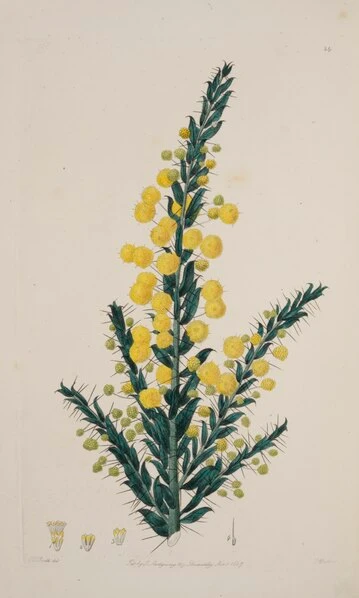
Acacia Australasica
Acacia
Symbolizes: Friendship, Secret Love, Elegance
Acacia is a genus of flowering plants belonging to the family Fabaceae. In Australia, the Wattle (Acacia) is a national symbol of resilience and unity. In funeral tributes, it represents the restoration of the soul and the endurance of friendship beyond death.
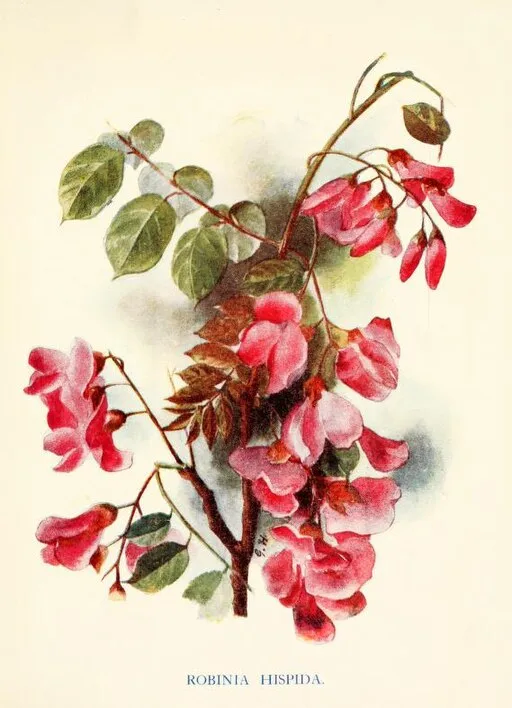
Robinia Hispida
Acacia (Rose)
Symbolises: Platonic Love, Dignity, Eternity
Since the time of Ancient Egypt, the Rose Acacia has been revered as a symbol of immortality and the purification of the soul. It speaks of unconditional, chaste love.
Read Full Symbolism
Hope & Faith:
The Acacia Rose symbolizes dignity in the face of adversity. Because it is known to bloom even during difficult times—surviving droughts and poor soil—it provides a profound message of hope, faith, and the resilience of the human spirit.
Usage:
Often used in weddings to symbolize love, in a funeral context it shifts to represent eternal affection and the hope of reunion.
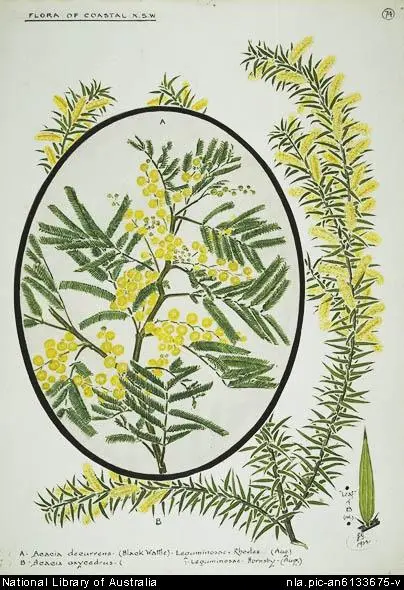
Acacia pycnantha
Acacia (Wattle)
Symbolises: Secret Love, chaste love, Resilience
The Acacia is deeply woven into the Australian identity. As the national floral emblem (Golden Wattle), it represents unity and resilience—the ability to withstand drought and fire and bloom again.
Read Full Symbolism
Australian Identity:
Historically used by Indigenous Australians for medicinal and ceremonial purposes, the wattle is a symbol of connection to the land. It officially became the national floral emblem in 1988.
Global Meaning:
In broader floriography, Acacia represents “Secret Love” and chaste affection. In funeral tributes, it honors a stoic spirit or conveys a private, enduring love that survives death.
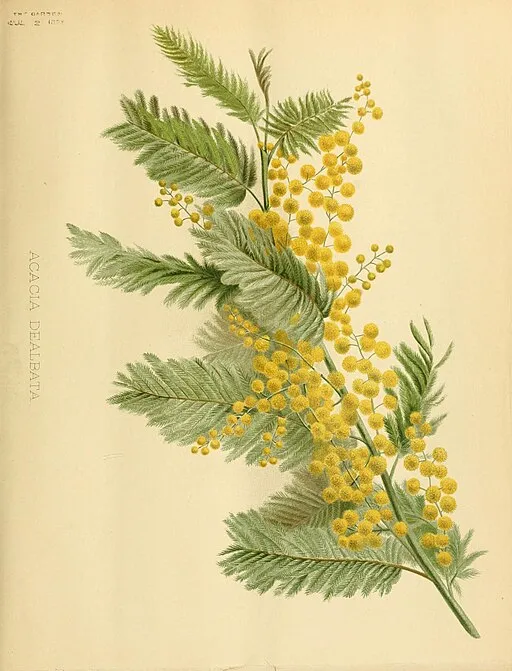
Acacia Dealbata (White form).
Acacia (White)
Symbolises: Purity, Mourning, The Soul’s Journey
The White Acacia carries a solemn and beautiful history in European and Asian cultures. It has long been associated with the immortality of the soul and the journey to the afterlife.
Read Full Symbolism
Cultural Significance:
In Buddhist ceremonies and colonial funeral rites, White Acacia represents purity and provides spiritual guidance to the departed. It was often used in funeral wreaths to symbolize that the soul continues on.
Why Faux?
Because the living plant can be challenging to maintain outside its natural habitat, our high-quality faux reproductions offer the perfect solution—retaining that pristine, elegant white appearance permanently.
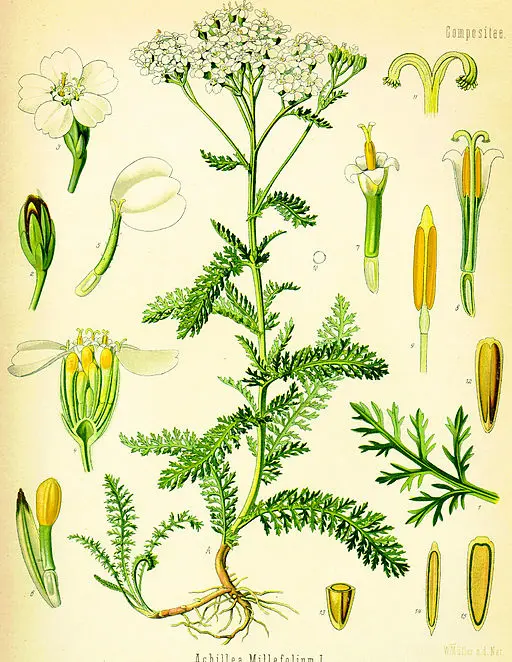
Achillea Millefolium
Achillea (Yarrow)
Symbolises: Strength of Character, Protection
Commonly known as Yarrow, this hardy perennial is identified by its fern-like leaves and flat clusters of flowers. In the language of flowers, it represents bravery, protection, and healing.
Read Full Symbolism
The Warrior’s Herb:
Its name derives from the Greek hero Achilles, who reportedly used the plant to treat his soldiers’ wounds during the Trojan War. Consequently, it is a fitting tribute for those who showed great strength of character, resilience, or fought personal battles during their lifetime.
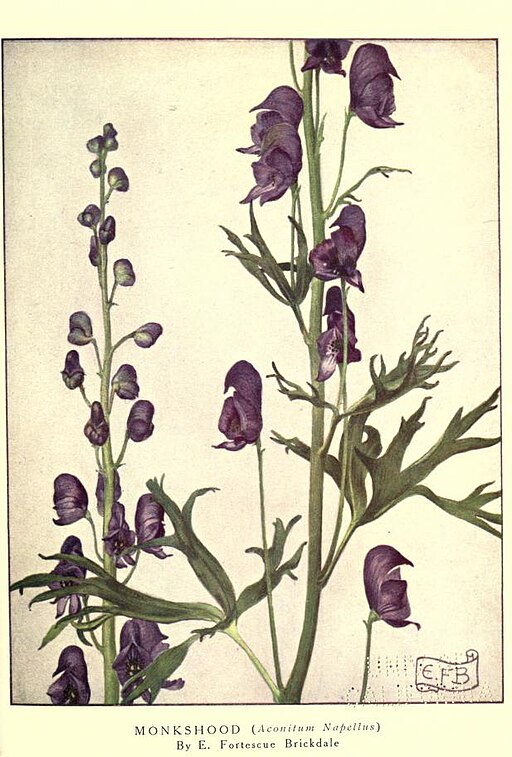
Aconitum Napellus (Monkshood).
Aconite (Monkshood)
Symbolises: Caution, Chivalry
Also known as Monkshood due to the shape of its petals, Aconite carries a complex history. In traditional floriography, it warns of danger or represents “Misanthropy,” owing to its toxic nature.
Read Full Symbolism
Historical Duality:
While often a warning, it was historically associated with Knight Errantry and Chivalry. Its striking purple spires make for a fascinating historical footnote in the language of flowers, representing a dangerous but noble beauty.
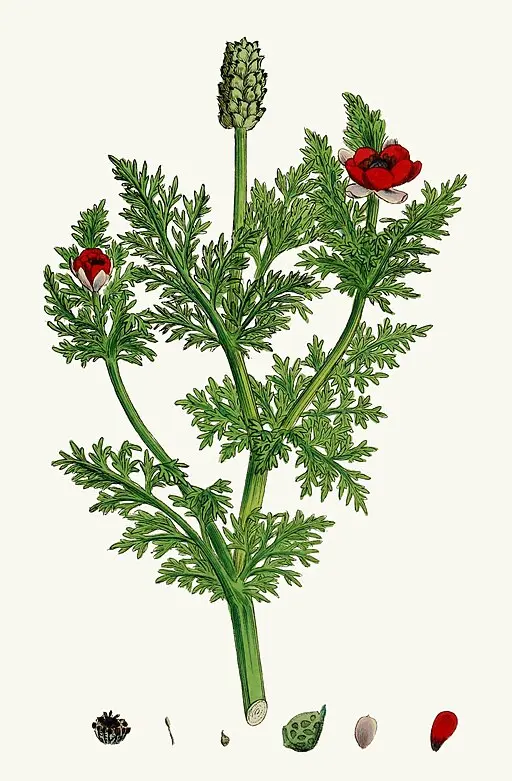
Adonis Annua
Adonis (Pheasant’s Eye)
Symbolises: Rebirth, Painful Recollections
Named after the Greek figure Adonis, this flower is steeped in mythology. Legend says the flower sprang from the ground where Adonis’s blood fell, creating a symbol of rebirth and life eternal.
Read Full Symbolism
Remembrance:
In funeral contexts, it carries the sentiment of “Painful Recollections”—acknowledging the grief of losing someone too soon. Yet, it also testifies that the spirit lives on within all living things, marking the passage from this life to the next.
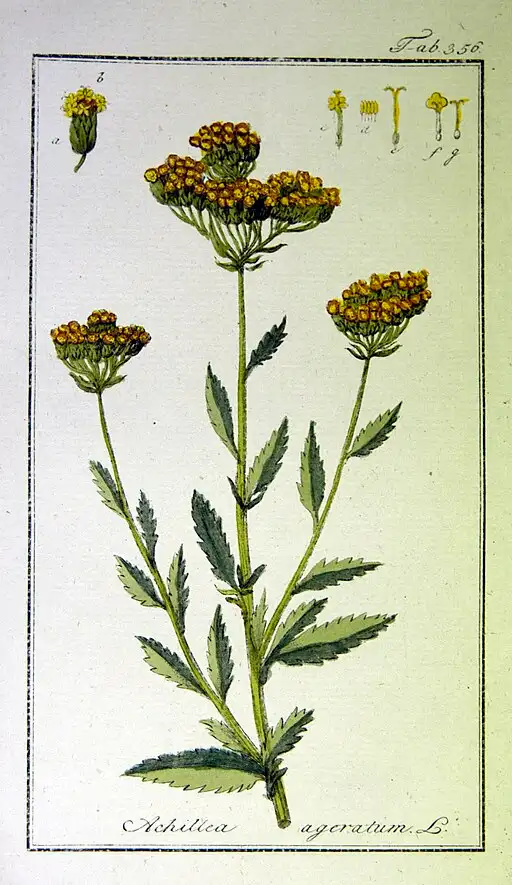
Ageratum Houstonianum
Ageratum
Symbolises: Politeness, Trust
With its soft, fluffy blooms in lavender-blue or pink, the Ageratum was a favorite of turn-of-the-century florists. Its name comes from the Greek a-geras (“non-aging”), referring to the longevity of its color.
Read Full Symbolism
The Harmonizer:
In arrangements, its fringe-like heads are used to “soften” harsh outlines, harmonizing opposing colors. This unobtrusive beauty led to its symbolic meaning of Politeness and Trust—a gentle presence that brings others together.
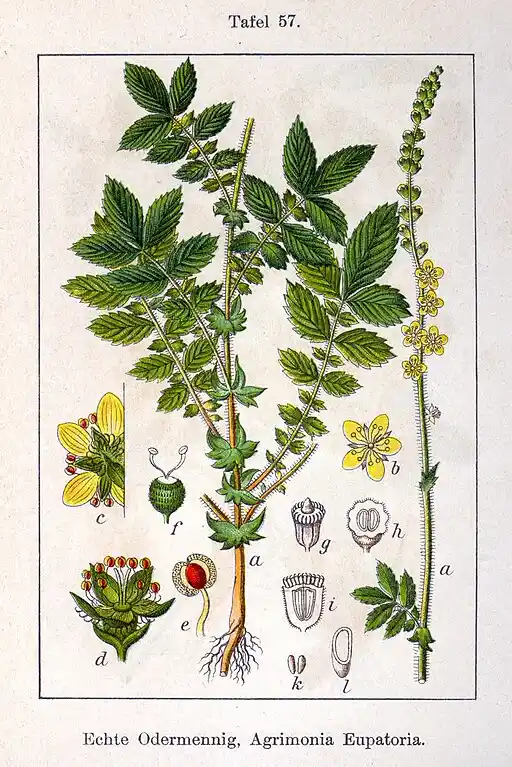
Agrimonia Eupatoria
Agrimony
Symbolises: Thankfulness, Gratitude
A plant highly esteemed by the ancients for its healing properties, Agrimony bears tiny yellow flowers on a single spike. Historically, it was believed to cure ailments of the eye, leading to its association with “clear vision” and gratitude.
Read Full Symbolism
A Message of Thanks:
In a floral tribute, it conveys a simple, powerful message of Thankfulness—perfect for honoring a benefactor, a parent, or someone who provided guidance and clarity in life.
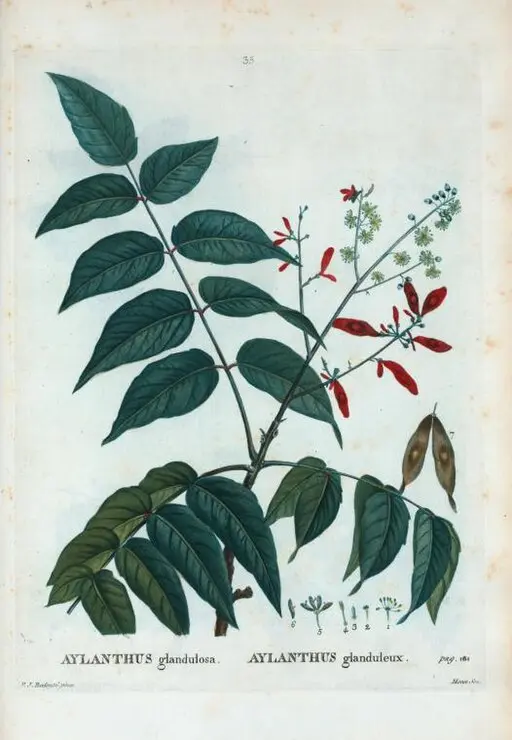
Ailanthus Altissima
Ailanthus (Tree of Heaven)
Symbolises: Lofty Aspirations
Native to northeast China, the Ailanthus is named after the Malay word for “Tree of Heaven” due to its rapid growth towards the sky. While not a flower in the traditional sense, its luxuriant leaves have made it a symbol of Lofty Aspirations.
Read Full Symbolism
The Visionary:
It represents a spirit that always reached higher and grew rapidly despite conditions. It is a fitting sentiment for a visionary, a dreamer, or someone who achieved great heights in their lifetime.
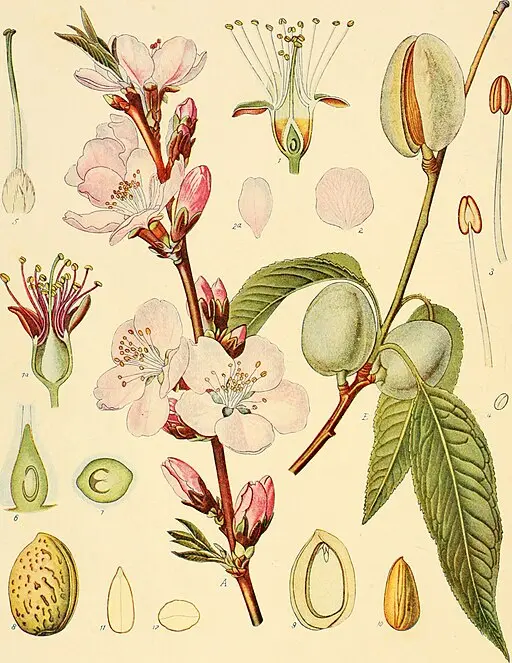
Prunus Dulcis
Almond Blossom
Symbolises: Rebirth, Renewal, Hope
The Almond is one of the first shrubs to bloom in spring, covering its branches in delicate white or pale pink petals before the leaves even appear. Because of this early arrival, it is a universal symbol of Rebirth and Renewal.
Read Full Symbolism
Mythology & Meaning:
In Greek mythology, it is linked to the story of Phyllis, whose love transformed her into an almond tree—symbolizing a hope that outlasts death. For a funeral, Almond Blossom sprays offer a gentle message that life continues in a new form.
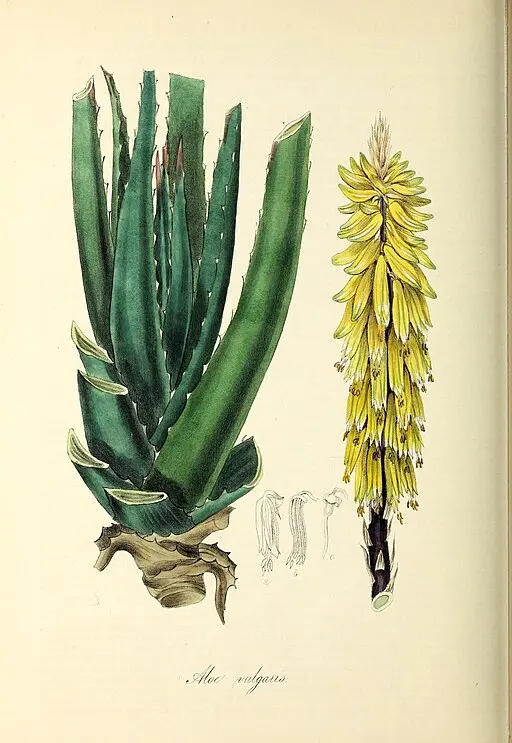
Aloe Vera
Aloe
Symbolises: Grief, Bitterness, Healing
While celebrated today for its healing gel, the Aloe plant historically symbolized Grief due to the bitter taste of its sap. In the Victorian language of flowers, it was an honest acknowledgment of the pain of loss.
Read Full Symbolism
Healing the Pain:
Its dual nature as a healing plant adds a layer of complexity—acknowledging that while grief is bitter, the process of healing has begun. It is a symbol that validates the pain of those left behind.
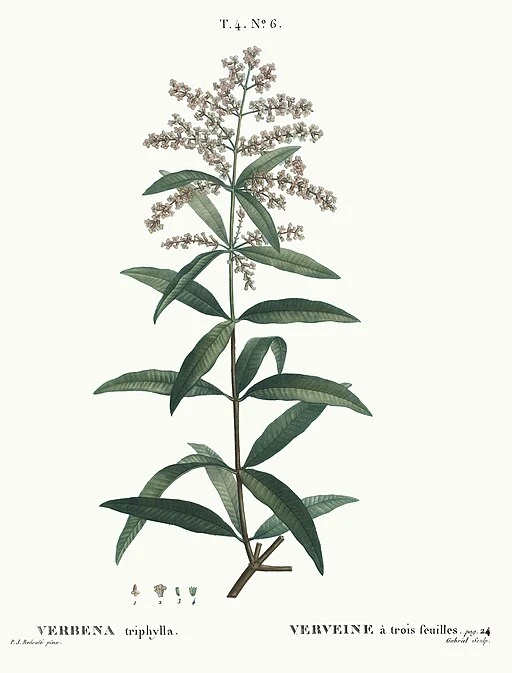
Aloysia Citrodora
Aloysia (Lemon Verbena)
Symbolises: Forgiveness
Also known as Lemon Verbena, this delicate plant releases a delightful citrus fragrance at the lightest touch. Named in honor of Queen Maria Luisa of Spain, it carries the beautiful sentiment of Forgiveness.
Read Full Symbolism
A Gentle Message:
Including Verbena in a tribute can be a subtle, private message of reconciliation and peace. It speaks of clearing the air and remembering only the sweetness of the relationship.
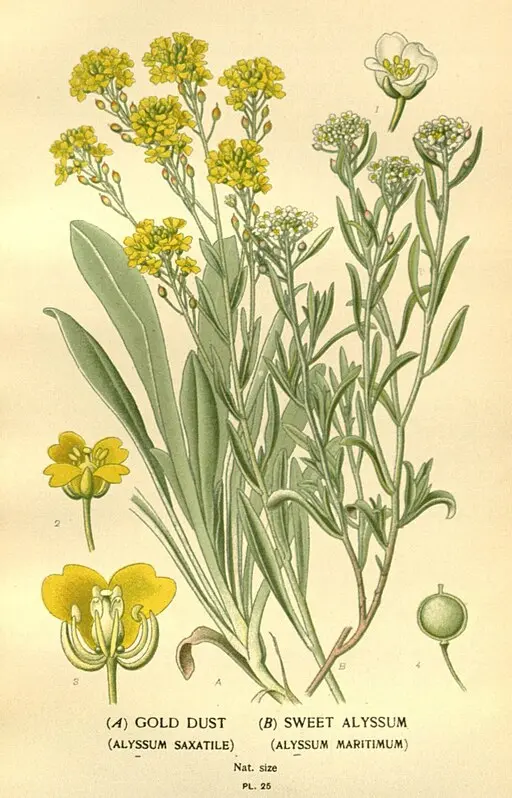
Lobularia Maritima
Alyssum
Symbolises: Merit Beyond Beauty
The sweet-scented Alyssum was believed by the ancients to have the power to calm anger (its name is derived from the Greek for “no rage”). It symbolizes “Merit Beyond Beauty”—valuing the inner character of a person over their outward appearance.
Read Full Symbolism
Inner Worth:
It is a touching tribute for a soul who was gentle, kind, and brought peace to those around them. It speaks of a character that was valuable and sweet to the very end.
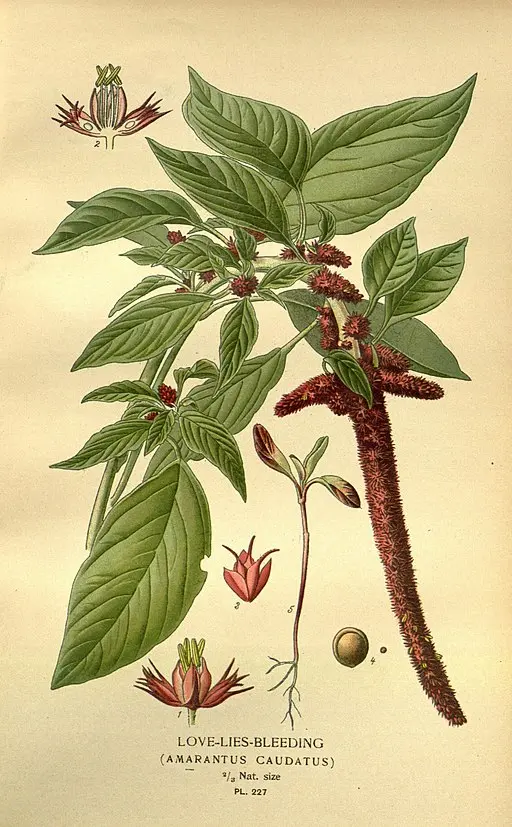
Amaranthus Caudatus
Amaranth (The Unfading Flower)
Symbolises: Immortality, Eternal Love
The word “Amaranth” derives from the Greek amarantos (“unfading”). True to its name, the flower retains its vibrant colour even after being cut and dried, making it the ultimate symbol of Immortality and Resurrection.
Read Full Symbolism
Eternal Remembrance:
It is often used in cemeteries to represent a love that never dies. Because our Faux Amaranth stems are literally “unfading,” they are the most poetic realization of this ancient sentiment.
Colour Meanings:
Red: Passion & Strength
Pink: Gentleness & Femininity
Purple: Royalty & Spirituality
Yellow: Optimism & Joy
Red: Passion & Strength
Pink: Gentleness & Femininity
Purple: Royalty & Spirituality
Yellow: Optimism & Joy
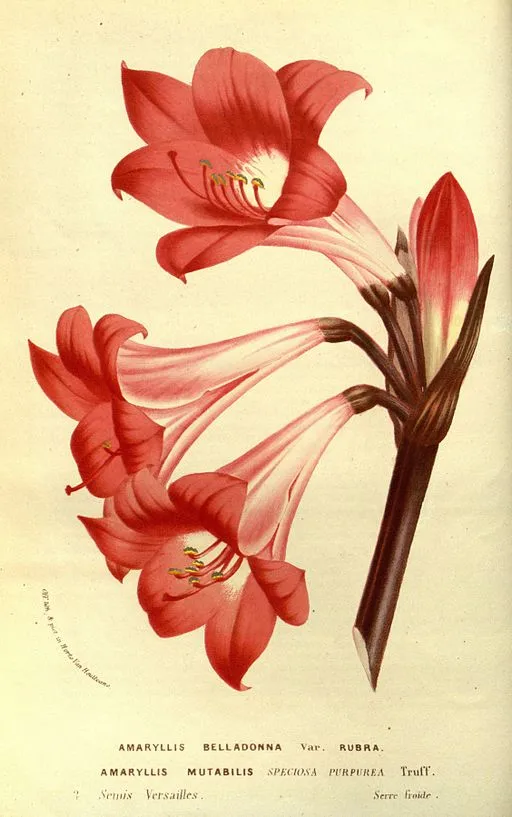
Hippeastrum (Amaryllis)
Amaryllis
Symbolises: Pride, Radiant Beauty
This striking bloom is known for its large, trumpet-shaped flowers. While botanists distinguish between the true Amaryllis belladonna and the widely cultivated Hippeastrum, both carry the same message of Radiant Beauty and Pride.
Read Full Symbolism
Determination & Success:
The name derives from a nymph in Virgil’s Eclogues. In a modern context, the Amaryllis represents determination and success, making it a powerful tribute for someone who lived a bold and accomplished life.
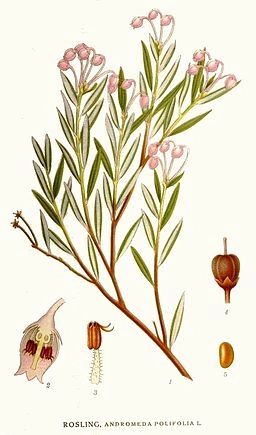
Andromeda Polifolia
Andromeda
Symbolises: Bound by Fate
This delicate shrub bears a name steeped in Greek mythology. It is named after Andromeda, the daughter of King Cepheus, who was chained to a rock as a sacrifice to a sea monster before being rescued.
Read Full Symbolism
Destiny:
Because the plant is found “bound” to rock-like peat in isolated areas, botanists drew a poetic parallel to the chained princess. It symbolizes being Bound by Fate, a poignant sentiment for a life that faced unavoidable destiny.
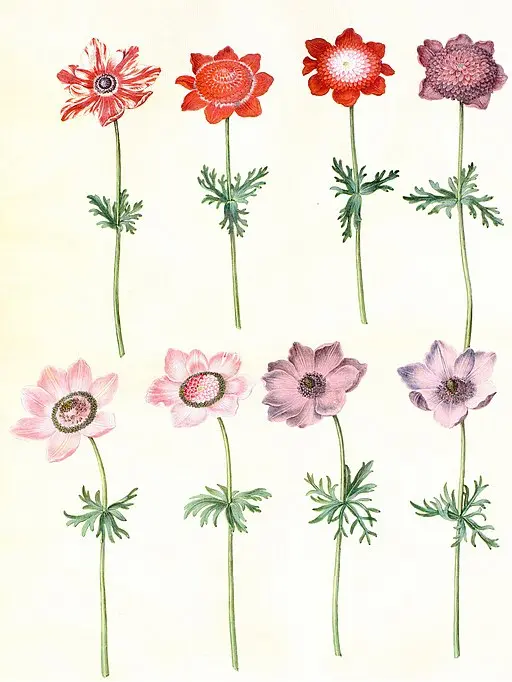
Anemone Coronaria
Anemone (Windflower)
Symbolises: Anticipation, Hope
Also known as the Windflower, the Anemone is a delicate bloom associated with the arrival of spring and the rebirth of nature. In many cultures, its vibrant petals represent Hope and Anticipation for the future.
Read Full Symbolism
Protection & Resilience:
It carries a dual meaning of protection; ancient Greeks believed it warded off ill fortune. In a memorial setting, Anemones offer a comforting message that even in death, there is the potential for new beginnings and the resilience of the human spirit.
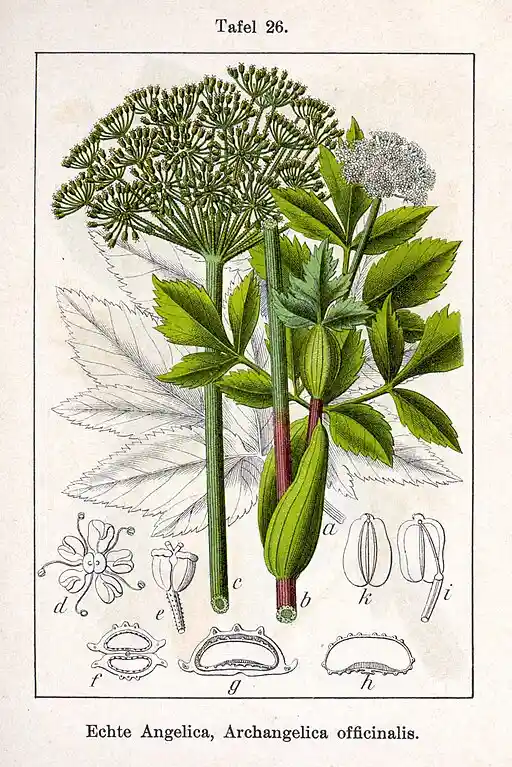
Angelica Archangelica
Angelica
Symbolises: Inspiration
A tall, aromatic plant native to subarctic regions, Angelica has long been used for both medicine and culinary delight. The poets of Lapland famously believed they derived Inspiration from wearing it as a crown.
Read Full Symbolism
The Muse:
In the language of flowers, it represents a muse or a source of creative thought. It is a unique tribute for an artist, writer, or someone who inspired those around them.
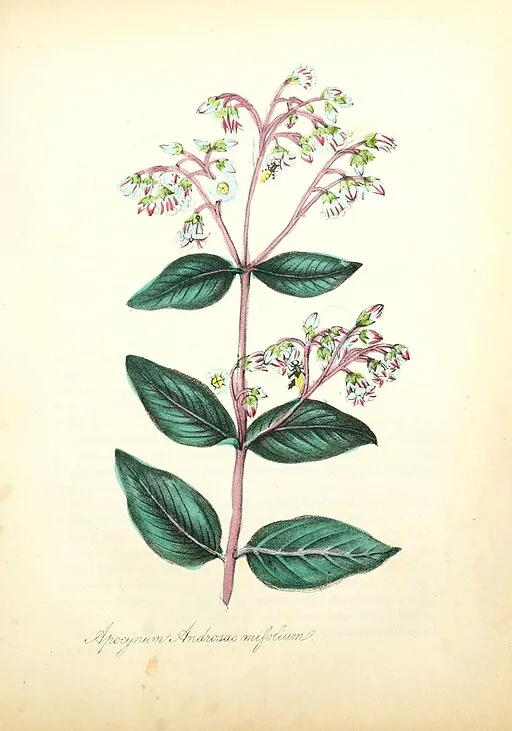
Apocynum Androsaemifolium
Apocynum (Dogbane)
Symbolises: Falsehood
Commonly known as Dogbane, this plant carries a warning in its name. Historically believed to be poisonous to animals, it symbolizes Falsehood or Deceit in traditional floriography.
Read Full Symbolism
Historical Context:
While rarely used in modern tributes due to this negative association, its delicate white flowers striped with red remain a botanical curiosity and a reminder of the complex history of plant symbolism.
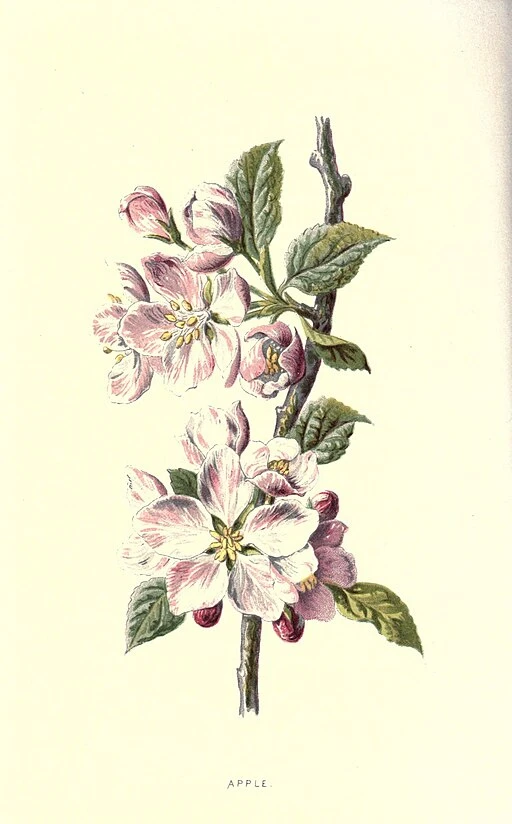
Malus Domestica
Apple Blossom
Symbolises: Preference, Choice
The sweet-scented Apple Blossom is deeply rooted in Greek mythology. It is linked to the “Golden Apple” inscribed For the Fairest, which Paris awarded to Aphrodite.
Read Full Symbolism
“I Choose You”:
Thus, the blossom symbolizes Preference. Offering it says, “I choose you above all others.” It is a romantic and tender tribute for a spouse or partner, acknowledging them as the “fairest” in your life.
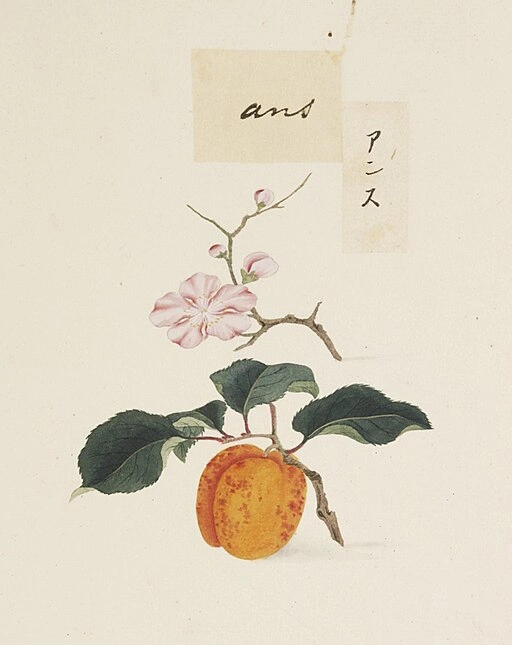
Prunus Armeniaca
Apricot Blossom
Symbolises: Temptation
Originating in Armenia, the Apricot tree produces delicate white flowers before its leaves appear. In the language of flowers, it represents Temptation, likely due to the allure of its golden fruit.
Read Full Symbolism
Spring Awakening:
Its early spring bloom also connects it to themes of awakening and new life, making it a subtle symbol of seasonal change and the sweetness of life.
Araceae (Calla Lily / Anthurium)
Symbolises: Magnificent Beauty, Hospitality
The Araceae family includes some of the most distinctive flowers in the world, such as the Calla Lily. Characterized by a single large “spathe,” they are symbols of Magnificent Beauty.
Read Full Symbolism
Restoration of Innocence:
Their open, heart-shaped appearance often symbolizes hospitality. In funeral tributes, the white Calla Lily specifically represents the restoration of innocence to the soul of the departed.
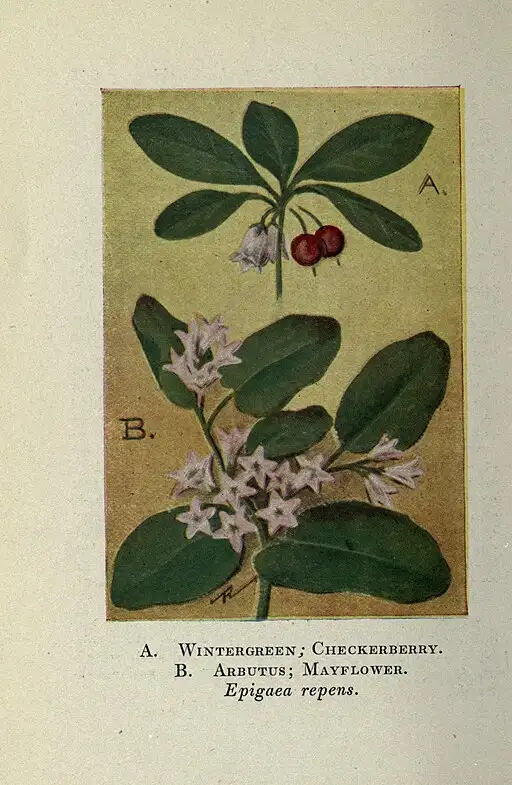
Epigaea Repens
Arbutus (Trailing Mayflower)
Symbolises: Simplicity, True Worth
Often called the Trailing Arbutus, this shrub hides its fragrant blossoms under leaves on the forest floor. Because its beauty is humble, it symbolizes Simplicity and True Worth.
Read Full Symbolism
Hidden Beauty:
It speaks of a person who was humble yet possessed great inner character, requiring one to look closer to see their true beauty.
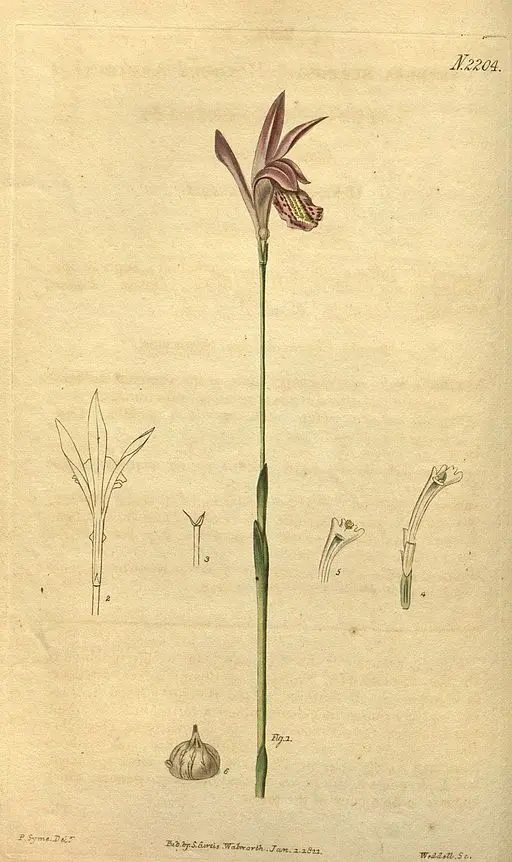
Arethusa Bulbosa
Arethusa (Dragon’s Mouth)
Symbolises: Fear, Transformation
This rare orchid takes its name from the nymph Arethusa, who was transformed into a fountain. It represents Fear or the desire to escape, mirroring the nymph’s flight.
Read Full Symbolism
Fragility:
It serves as a reminder of the fragility of beauty and the transformative power of nature.
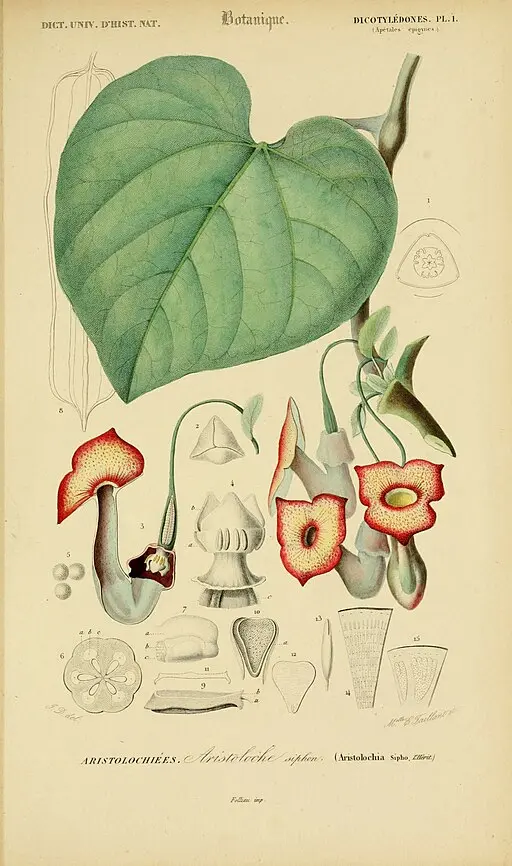
Aristolochia Macrophylla
Aristolochia (Dutchman’s Pipe)
Symbolises: Rebirth, Transformation
Known for its unusual, pipe-shaped flowers, Aristolochia is a symbol of Rebirth and Renewal in many cultures. In Mexico and China, its unique form represents the cycle of life and death.
Read Full Symbolism
New Beginnings:
Its ability to thrive in difficult conditions makes it a powerful symbol of resilience. Placing such a unique flower at a memorial honors a unique spirit and the hope for a new beginning in the afterlife.
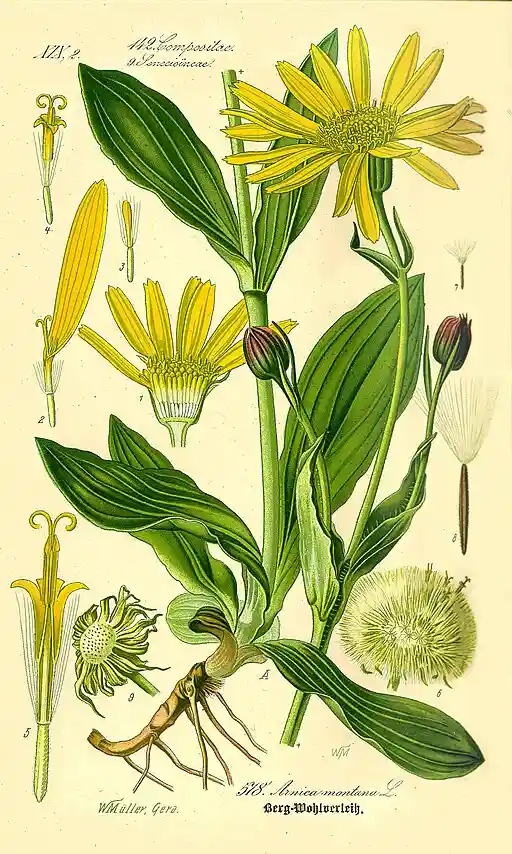
Arnica Montana
Arnica
Symbolises: Healing, Resilience
Long used in medicine to treat trauma, the Arnica flower carries the beautiful sentiment: “Let me heal thy grief.” It is a profound symbol of comfort for those left behind.
Read Full Symbolism
Emotional Recovery:
Including Arnica in a tribute acknowledges the pain of loss while offering a wish for emotional recovery and the strength to endure.
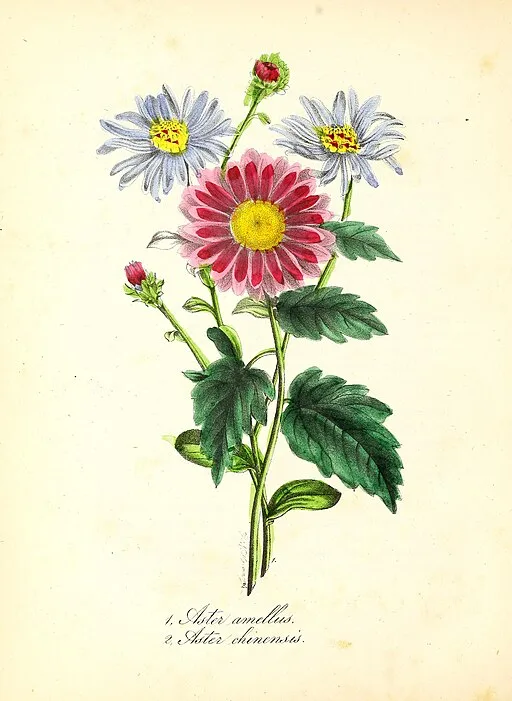
Aster Amellus
Aster
Symbolises: Patience, Love, Faith
The name “Aster” comes from the Greek word for “Star.” Ancient Greeks believed the scent of burning aster leaves drove away evil spirits, making it a powerful symbol of Protection.
Read Full Symbolism
Wisdom & Daintiness:
In the language of flowers, it represents Patience and Daintiness. A Purple Aster symbolizes royalty and wisdom, while White represents purity. Our faux Asters provide a cheerful, star-like presence that withstands the weather.
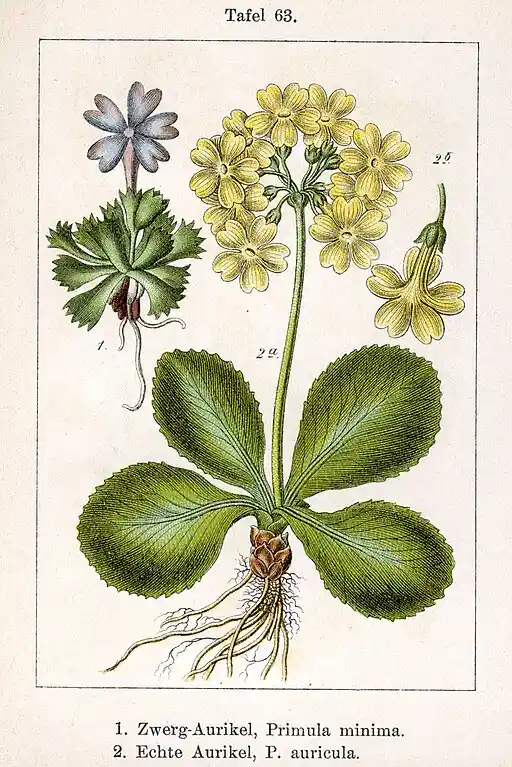
Primula Auricula
Auricula (Primula)
Symbolises: Trust, Worth, Fidelity
A member of the Primrose family, the Auricula is prized for its velvet-like petals. In traditional floriography, it symbolizes “Painting the Lily” (adding beauty to beauty) or Importunate Worth.
Read Full Symbolism
Trust:
More commonly today, it represents Trust and Fidelity. It is a subtle, elegant choice for a tribute to a loyal partner or a trustworthy friend who brought grace into your life.
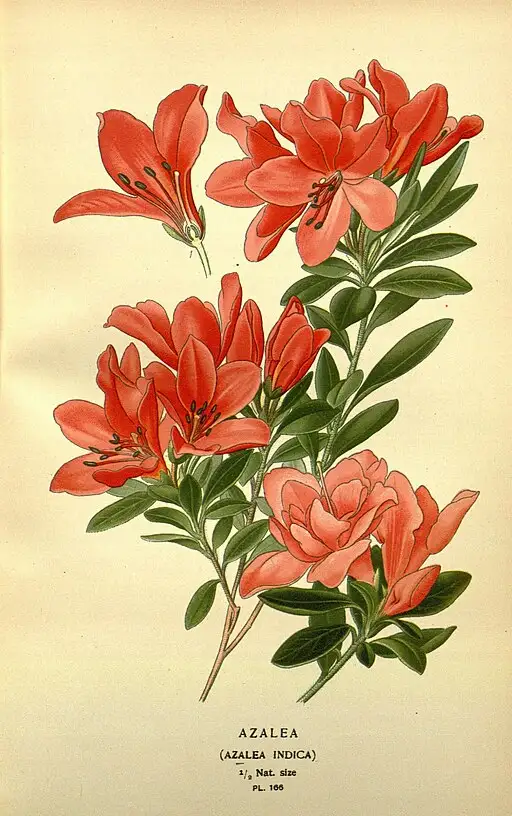
Rhododendron Indicum
Azalea
Symbolises: Temperance, Femininity, Fragility
The Azalea is a flower of deep cultural significance. In Victorian times, it symbolized Temperance (moderation). In Chinese culture, it represents womanhood and the pensive beauty of Femininity.
Read Full Symbolism
Fragility of Life:
In Japanese tradition, it is often associated with the fragility of life, sometimes used to honor those who passed away unexpectedly. Its delicate, paper-thin petals make it a poignant symbol of how precious life can be.
B is for Banksia
The letter B brings us bold contrasts. It bridges the gap between the rugged, fire-tolerant Banksia of the Australian bush and the delicate, cloud-like clusters of Baby’s Breath.
Whether you are looking for the masculine structure of the Bird of Paradise or the quiet “Thank You” of the Bluebell, this collection offers unique ways to tell a story of freedom, gratitude, and everlasting love.
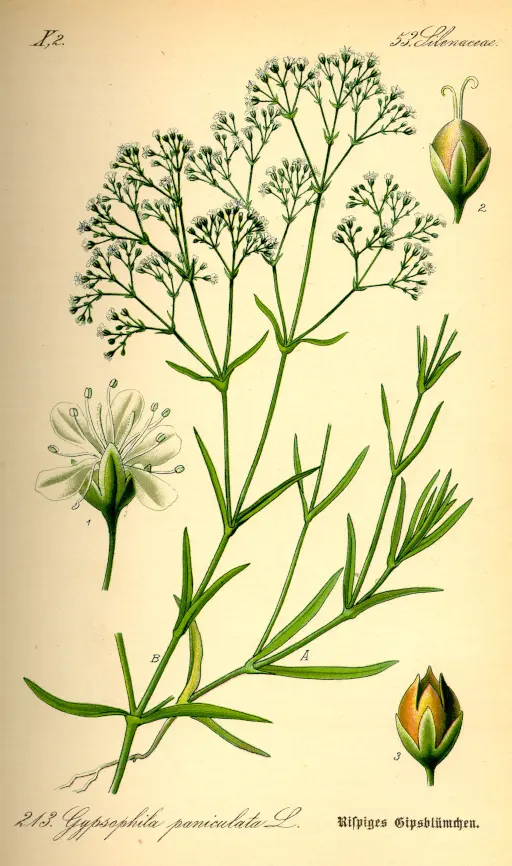
Gypsophila Paniculata
Baby’s Breath (Gypsophila)
Symbolises: Innocence, Purity of Heart, Everlasting Love
Creating a cloud-like effect of tiny white flowers, Gypsophila is one of the most beloved fillers in floristry. Its common name, “Baby’s Breath,” alludes to its delicate innocence and purity.
Read Full Symbolism & History
Cultural Significance:
In many cultures, this flower is seen as a symbol of innocence and purity, often associated with the purity of a child. However, it also carries a profound meaning of Everlasting Love. It represents the eternal bond between the living and those who have passed, allowing families to show their continued devotion.
Symbol of Hope:
In some traditions, Gypsophila is a symbol of hope and a reminder of the afterlife. It suggests that death is not an end, but a transition to a new existence. This sentiment brings great comfort to those grieving, serving as a reminder that their loved one is at peace.
Use in Tributes:
Beyond symbolism, it is valued for its delicate appearance. Its white or pale pink colour adds elegance to funeral arrangements. Because Gypsophila dries beautifully without losing its shape, it is a literal representation of a memory that does not fade.
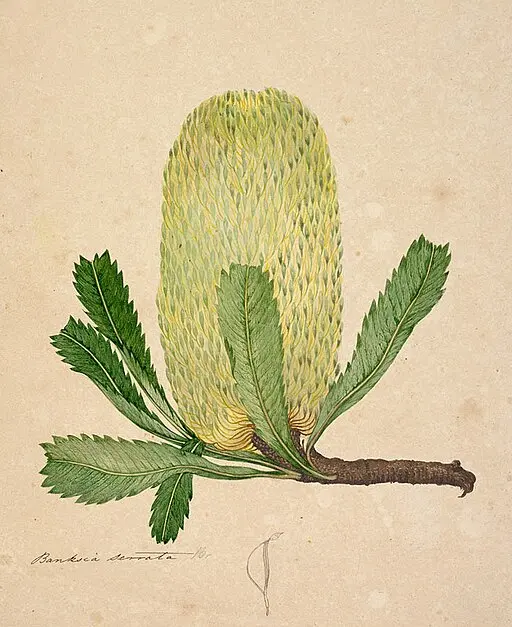
Banksia Serrata
Banksia (Australian Honeysuckle)
Symbolises: Rebirth, New Beginnings, Resilience
A uniquely Australian icon, the Banksia is famous for its rugged beauty and ability to survive harsh conditions. In memorial tributes, they offer a masculine, structural aesthetic representing a spirit that could weather any storm.
Read Full Symbolism & History
Symbol of Regeneration:
Because many Banksia species require fire to release their seeds, they are a profound symbol of Rebirth and Regeneration. They remind us that new life can spring from even the harshest endings.
Practical Application:
Unlike fresh natives which brown quickly, our faux Banksias retain their fiery orange and red hues permanently. They serve as a long-lasting guardian for a resting place, reflecting the rugged Australian landscape.
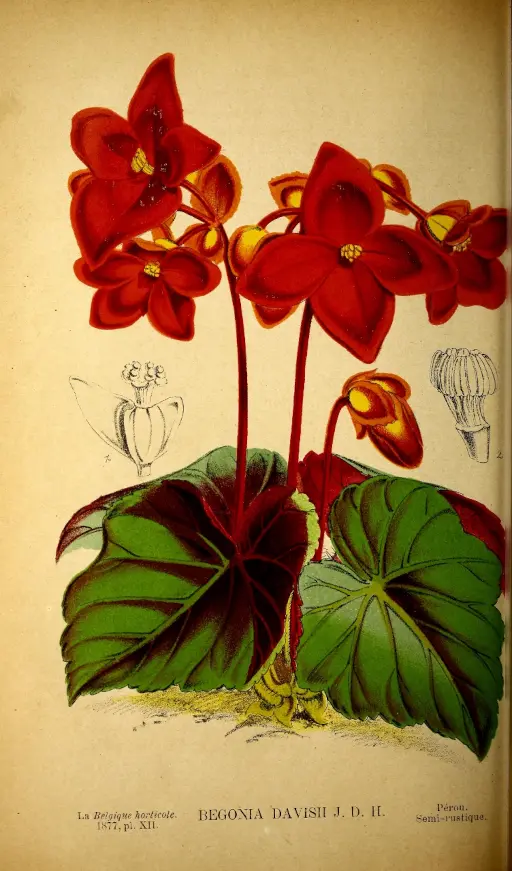
Begonia Davisii
Begonia
Symbolises: Resilience, Caution, Deep Thoughts
Known for their vibrant colours and ability to thrive in difficult conditions, Begonias are a symbol of Resilience and Strength. Placing them at a gravesite honors a spirit that remained bright even through hardship.
Read Full Symbolism & History
Global Meanings:
In Greek culture, Begonias are often used to adorn graves, representing the promise of a brighter future. In English tradition, they symbolize comfort, solace, and the peace of a quiet mind (“Deep Thoughts”).
Resilience:
Their ability to bloom in shade and difficult soils makes them a metaphor for the human spirit’s ability to thrive despite adversity. Their cheerful appearance brings immediate comfort to a somber setting.
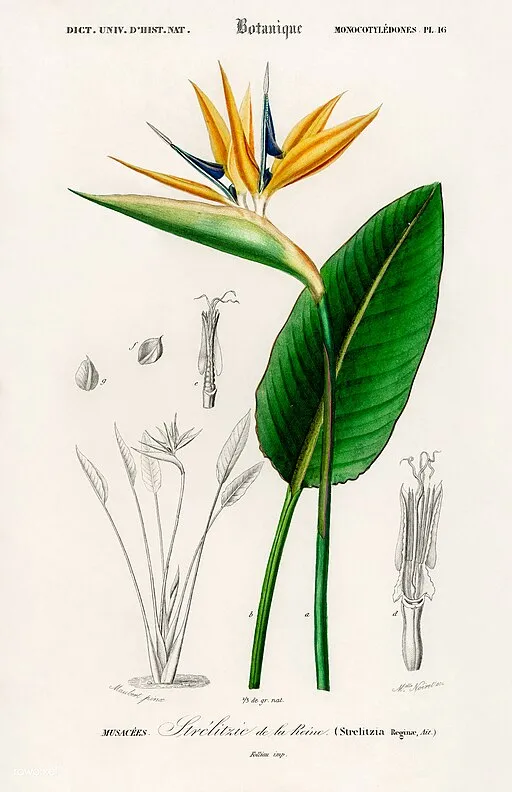
Strelitzia Reginae
Bird of Paradise (Strelitzia)
Symbolises: Freedom, Magnificence, Paradise
With its striking orange and blue petals resembling a bird in flight, the Strelitzia is the ultimate symbol of Freedom and Joy. It represents a soul taking flight to paradise.
Read Full Symbolism & History
A Celebration of Life:
Often chosen for men or those with vibrant, outgoing personalities, the Bird of Paradise breaks away from traditional somber flowers to celebrate a life lived loudly and colourfully. It suggests that the departed is now free, observing the world from a higher place.
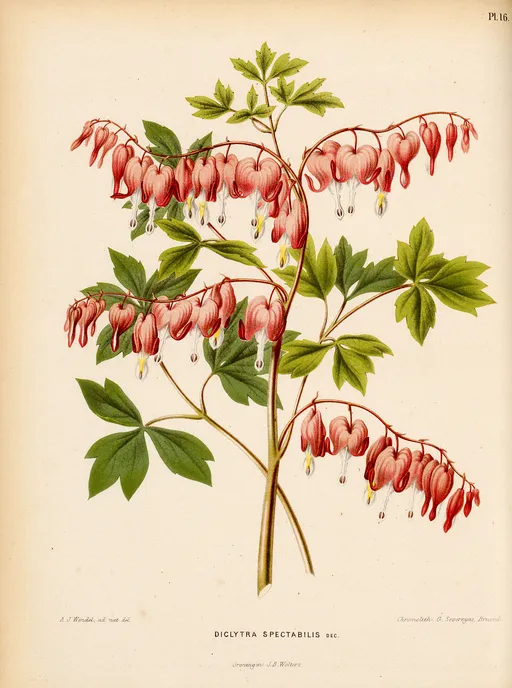
Lamprocapnos Spectabilis
Bleeding Heart
Symbolises: Deep Passionate Love, Compassion
Few flowers wear their meaning as openly as the Bleeding Heart. Its pillow-like pink petals hang in the shape of a heart with a single drop falling from it, symbolizing Undying Love and Compassion.
Read Full Symbolism & History
Unspoken Grief:
It is a deeply emotional choice, often used to express a grief that words cannot touch—speaking directly from one heart to another. It acknowledges the pain of loss while celebrating the depth of the love that was shared.
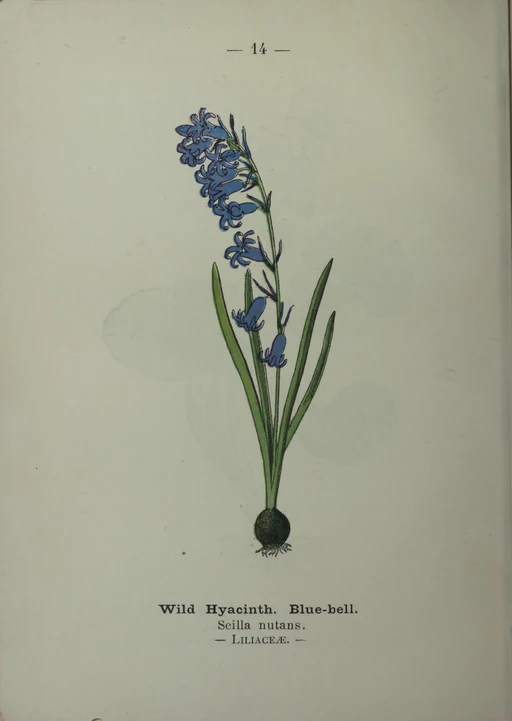
Hyacinthoides Non-Scripta
Bluebell
Symbolises: Humility, Constancy, Gratitude
The wild Bluebell, carpeting ancient woodlands in a sea of blue, is a symbol of Constancy and Everlasting Love. Because the flower bows its head, it is also associated with humility and gratitude.
Read Full Symbolism & History
The Message of Thanks:
In funeral tributes, Bluebells offer a message of “Thank You”—gratitude for the life lived and the time shared. Their soothing blue colour brings a sense of deep peace and tranquility to a resting place.
Cultural Note:
In English culture, Bluebells are strongly linked to the idea of grace and devotion, often used to bring solace to those who are grieving.
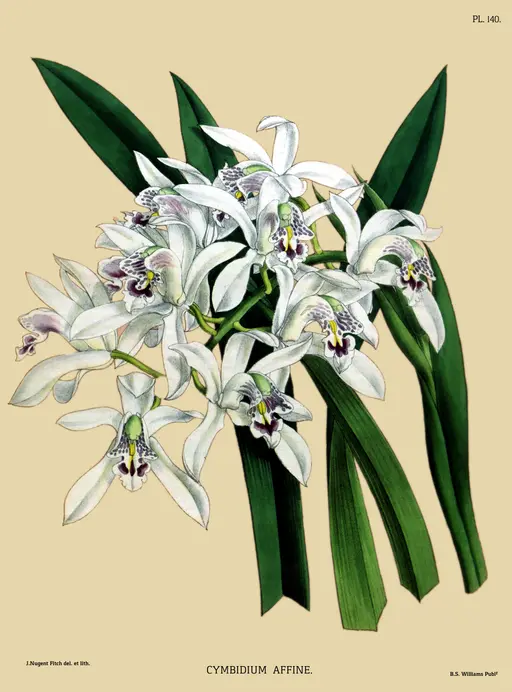
Cymbidium Orchid
Boat Orchid (Cymbidium)
Symbolises: Luxury, Strength, Morality
The Cymbidium, or Boat Orchid, is prized for its robust, waxy blooms that can last for months. In Asian cultures, it was considered a symbol of Moral Excellence and Virtue.
Read Full Symbolism & History
A Symbol of Refinement:
Confucius called the Cymbidium the “King of Fragrance.” Today, it represents luxury, refinement, and strength. Unlike delicate blooms that fade quickly, the Boat Orchid stands tall and dignified, making it one of the most popular choices for a lasting, premium memorial tribute.
Cultural Use:
In Japan, it is a symbol of good taste and prosperity, often used in traditional tea ceremonies. In a western memorial, it conveys high esteem for the deceased.
Floral Terminology
Bouquet
From the French word for “clump of trees,” a bouquet is a collected arrangement of flowers. While ancient civilizations used them for offerings, the Victorians perfected the bouquet as a “coded message” of sentiment.
Read History & Colours
Historical Roots:
The practice of placing bouquets on graves traces back to early Christianity as a symbol of resurrection. In the Victorian era, elaborate bouquets were used to express specific emotions of grief that could not be spoken aloud.
Colour Meanings:
White: Purity, innocence, and sympathy.
Red: Passion, sacrifice, and deep love.
Yellow: Friendship and loyalty.
Boutonniere
A single flower worn on the lapel, originally used by knights in the 14th century to identify their allegiance. Today, it is a mark of respect and honour worn by pallbearers and close family members at funerals.
Read History & Etiquette
Evolution of Style:
In the 19th century, boutonnieres became a symbol of wealth and status. Today, they are worn to honour the deceased. It is traditional for the boutonniere flower to match the main casket spray or tribute.
Family Significance:
In many cultures, wearing a boutonniere distinguishes the immediate family (father, brother, son), visually marking their closeness to the departed.
C is for Chrysanthemum
The letter C is the heavyweight of the floral alphabet. It houses the two most significant blooms in memorial history: the Carnation and the Chrysanthemum.
These flowers define the language of deep love, loyalty, and remembrance. Alongside the elegant Calla Lily and the cheerful Calendula, this collection provides the traditional pillars of a classic, dignified tribute.
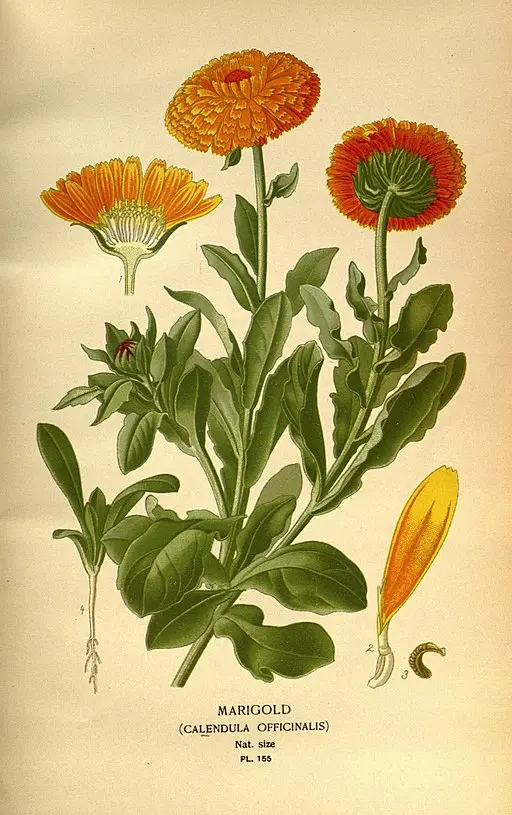
Calendula Officinalis
Calendula (Pot Marigold)
Symbolises: Warmth, Energy, Compassion
Known for their vibrant orange and yellow hues, Calendula flowers represent the warmth and energy of the sun. In floriography, they symbolize Love, Compassion, and Grace.
Read Full Symbolism
Comfort & Solace:
In Greek and English cultures, the sunny appearance of Calendula is used to bring comfort to those grieving, symbolizing the warmth the departed brought into the world.
Cycle of Life:
In Chinese culture, they are associated with the continuous cycle of life and death, representing the different stages of existence from birth to the afterlife.
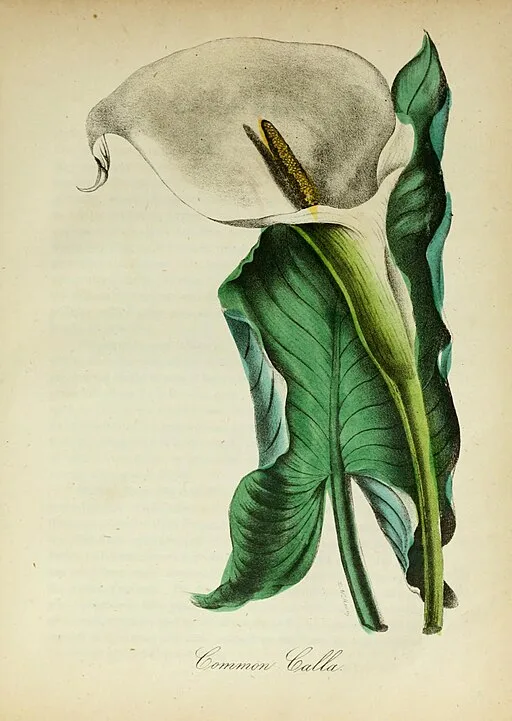
Zantedeschia Aethiopica
Calla Lily
Symbolises: Purity, Innocence, Magnificent Beauty
The name “Calla” derives from the Greek kallos (“beauty”). With its elegant trumpet shape, it is a timeless symbol of Purity and Innocence.
Read Full Symbolism
Resurrection & Rebirth:
Historically associated with the goddess Aphrodite, the Calla Lily became a Victorian funeral staple. It was believed that the white Calla Lily symbolized the pure soul of the deceased, while the yellow center represented the light of the afterlife.
Modern Use:
Today, it represents new beginnings and marriage, but remains a dignified choice for memorials, offering a sense of hope and spiritual renewal.
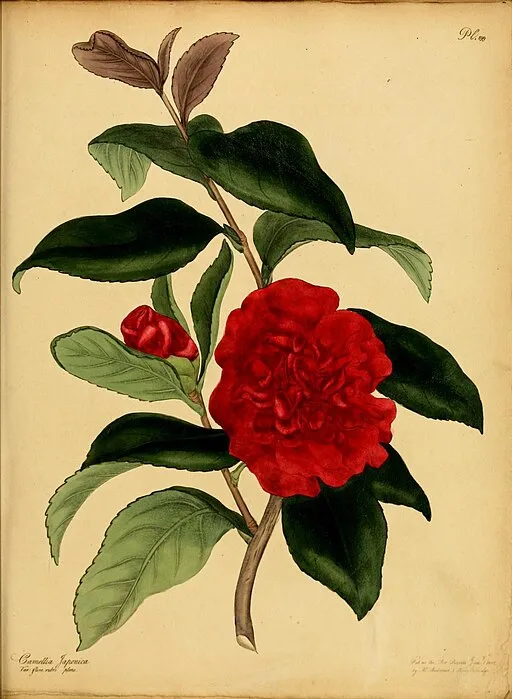
Camellia Japonica
Camellia
Symbolises: Love, Admiration, Perfection
Known for their symmetrical, perfect petals, Camellias represent Admiration and Perfection. In a memorial context, they express deep respect for the deceased.
Read Full Symbolism
Love & Respect:
In English and European cultures, the Camellia is a symbol of “Lovableness.” Placing them at a gravesite is a gesture of deep affection and honour.
Eternal Spirit:
In Chinese culture, they are linked to the continuous cycle of life and death, representing the spirit that endures beyond the physical world.
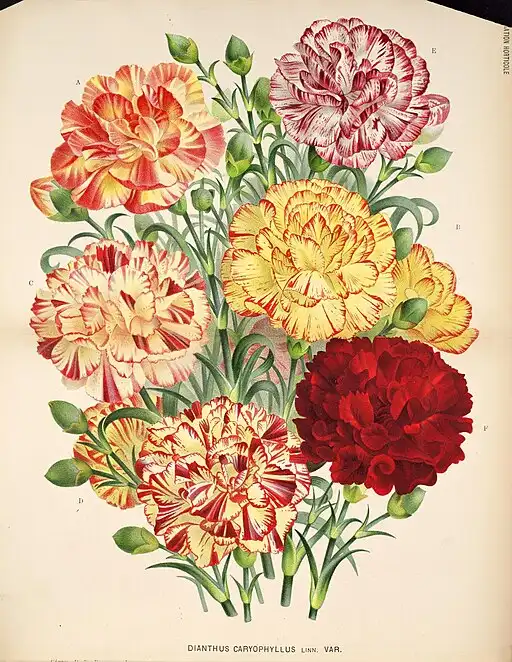
Dianthus Caryophyllus
Carnation (Dianthus)
Symbolises: Love, Fascination, Distinction
The Carnation (“Flower of God”) has been cultivated for thousands of years. It is one of the most significant flowers in memorial history, representing Love and Remembrance.
Read Full Symbolism
A Symbol of Motherhood:
Pink Carnations are the official flower of Mother’s Day, symbolizing a mother’s undying love. Legend says they first bloomed from the tears of the Virgin Mary, making them a symbol of pure, unconditional affection.
Faux Advantage:
Our Faux Carnations are a popular choice for gravesites because they offer the lush, ruffled look of the fresh flower but withstand the elements for months, serving as a lasting tribute.
Carnation Colour Meanings
- Red: Deep Romantic Love, Passion, “My Heart Aches for You”.
- Pink: A Mother’s Love, “I’ll Never Forget You”, Gratitude.
- White: Pure Love, Innocence, Faithfulness.
- Yellow: Disappointment or Rejection (Traditional), Friendship (Modern).
- Purple: Capriciousness, Whimsy, Changeability.
- Striped: Refusal, “I cannot be with you” (Regret).
- Green: St. Patrick’s Day, Resilience.
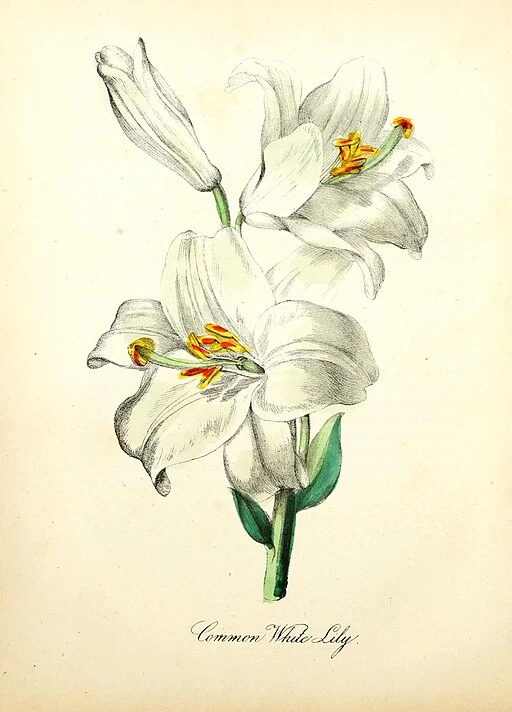
Lilium ‘Casa Blanca’
Casablanca Lily
Symbolises: Celebration, Ambition, Remembrance
Known for its massive, pure white blooms and intoxicating fragrance, the Casablanca Lily is the queen of the lilies. It symbolizes Celebration and Honour.
Read Full Symbolism
The Soul’s Return:
In Chinese culture, the lily is associated with “returning to the natural state”—the idea that death is a return to peace. In Western traditions, the pure white petals represent the restored innocence of the soul after death.
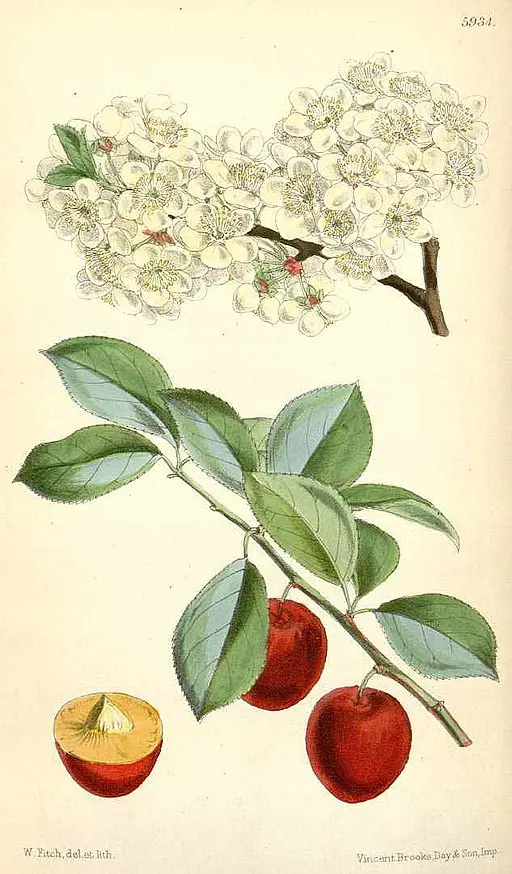
Prunus Serrulata
Cherry Blossom (Sakura)
Symbolises: Transience of Life, Renewal
In Japanese culture, the Sakura (Cherry Blossom) is the ultimate symbol of the Transience of Life. Its breathtaking beauty is fleeting, reminding us to cherish every moment.
Read Full Symbolism
Beautiful Sadness:
Placing Cherry Blossoms at a memorial is a poignant acknowledgment that life is beautiful but short. It also carries a message of Hope and Renewal, as the blossoms return faithfully every spring.
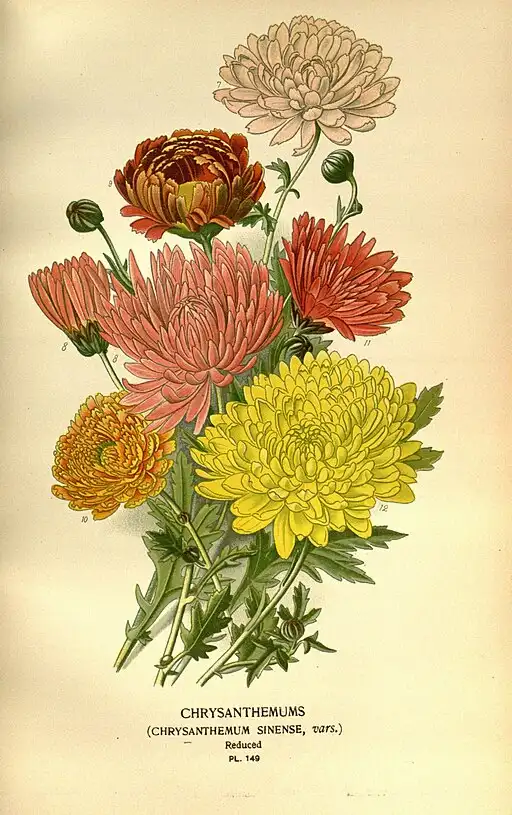
Chrysanthemum Morifolium
Chrysanthemum (“Mum”)
Symbolises: Grief, Loyalty, Truth
The “Mum” is globally recognized as the Flower of Death and Mourning in many cultures (especially France, Italy, and Spain), but in Australia and the US, it is a symbol of Motherhood and Support.
Read Full Symbolism
Cultural Contrast:
In Japan, it is the symbol of the Emperor (The Chrysanthemum Throne) representing nobility and longevity. In Western funerals, it represents the truth of the finality of death, but also the beautiful legacy left behind.
Colour Meanings:
White: Deep Truth, Sympathy, Innocence.
Red: Love (“I love you”).
Yellow: Slighted Love (Traditional), Sunshine (Modern).
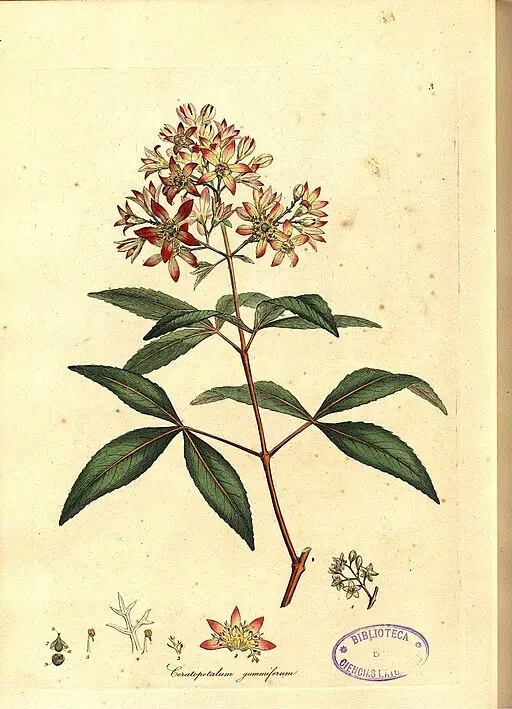
Ceratopetalum Gummiferum
Christmas Bush
Symbolises: Celebration, Home, Australian Spirit
For Australians, the turning of the Ceratopetalum sepals from white to deep red signals the arrival of the festive season. It is a symbol of **Home and Celebration**.
Read Full Symbolism
A Seasonal Tribute:
In a memorial context, the Christmas Bush is a poignant tribute for loved ones passed in December. It acknowledges the sadness of an “empty chair” at the Christmas table while celebrating the enduring spirit of the family.
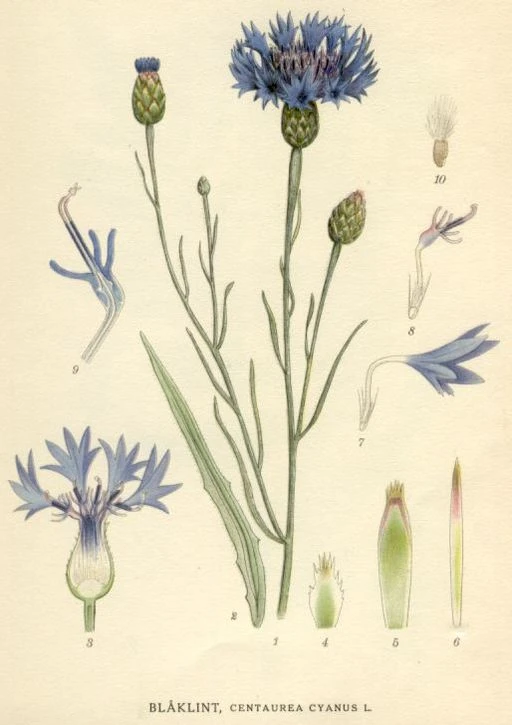
Centaurea Cyanus
Cornflower
Symbolises: Delicacy, Remembrance, Hope
Famous for its intense, true-blue hue, the Cornflower (or Bachelor’s Button) symbolizes Delicacy and Refinement. It is a humble wildflower that brings a touch of the sky down to earth.
Read Full Symbolism
Historical Memory:
Historically worn by young men in love, in a funeral context it has shifted to represent clear, untroubled memory. Its vivid blue colour offers a sense of peace and spiritual clarity.
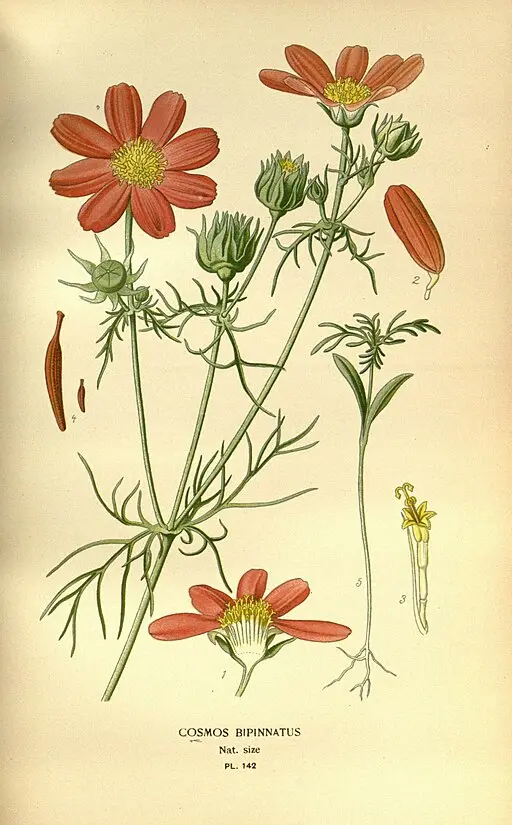
Cosmos Bipinnatus
Cosmos
Symbolises: Order, Harmony, Peace
The name “Cosmos” comes from the Greek word for “Order” or “Harmony” (the opposite of Chaos), referring to the plant’s evenly placed petals. It symbolizes a Peaceful Transition.
Read Full Symbolism
Tranquillity:
With their open, friendly faces and airy stems, Cosmos flowers represent a life lived in harmony. They are a gentle, comforting choice for a tribute, suggesting that the departed is now at perfect peace with the universe.
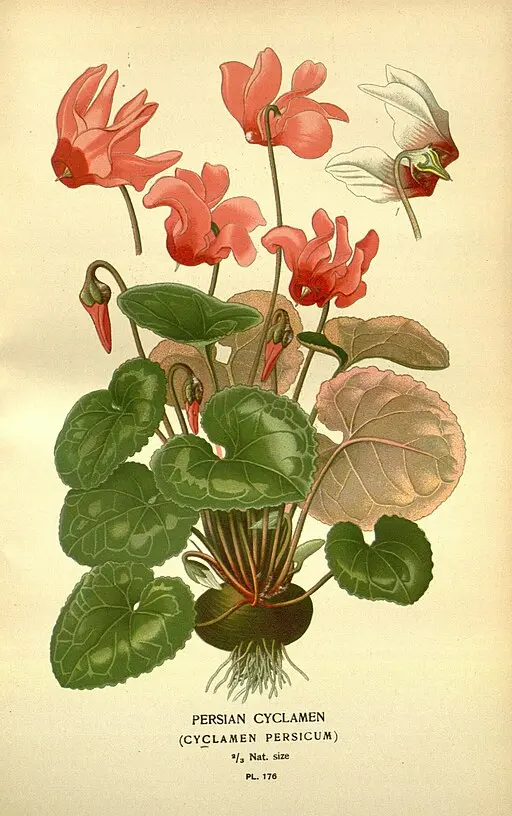
Cyclamen Persicum
Cyclamen
Symbolises: Resignation, Good-bye
The Cyclamen is one of the few flowers in floriography that specifically symbolizes Resignation and Good-bye. It is a flower of departure, but one of great beauty.
Read Full Symbolism
The Final Gift:
While “Good-bye” may seem somber, the Cyclamen frames it as a graceful acceptance of the end of a journey. It is traditionally given to express sincere, deep feelings upon a parting, making it a profound final gift to a loved one.
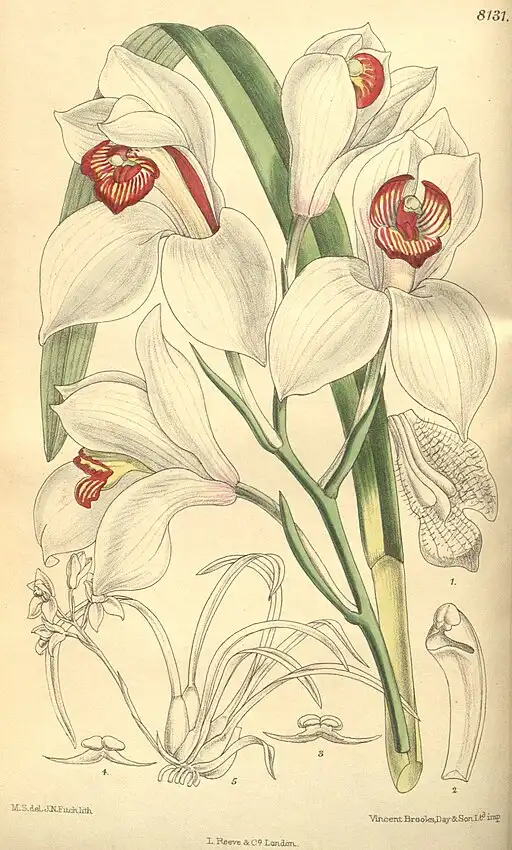
Cymbidium Erythrostylum
Cymbidium Orchid
Symbolises: Eternal Love, Nobility, Good Luck
A member of the vast Orchidaceae family, the Cymbidium (specifically Cymbidium erythrostylum) is cherished for its delicate, boat-shaped blooms. It is known for its incredible durability, symbolizing an affection that endures.
Read Full Symbolism
Eternal Devotion:
In European cultures, the Cymbidium represents Eternal Love—a bond that continues even after death. It is believed to represent the love a person held in life, carried forward into memory.
The Guide:
dating back to ancient Greece and Rome, orchids were believed to have the power to protect the deceased. In some traditions, they are seen as a guide to help the soul transition to the afterlife.
Nobility & Luck:
In Asian cultures, this flower is a symbol of nobility and refinement. It is often associated with bringing good luck and prosperity to the family left behind.
Colours:
White: Purity and Innocence.
Pink: Love and Affection.
Yellow: Friendship.
Colour Focus: The Meaning of Cream
Cream-coloured flowers represent Charm, Thoughtfulness, and Grace. Softer than pure white, cream offers a sense of warmth and understated elegance.
In a cemetery setting, Cream Roses or Lilies create a serene, peaceful atmosphere, suggesting that the departed was a gentle, kind soul who brought warmth to others.
Shop Cream TributesD is for Daffodil
The letter D introduces us to some of the most cheerful and resilient blooms in the botanical world. From the humble, wish-granting Dandelion to the intricate dignity of the Dahlia, these flowers often represent strength in adversity.
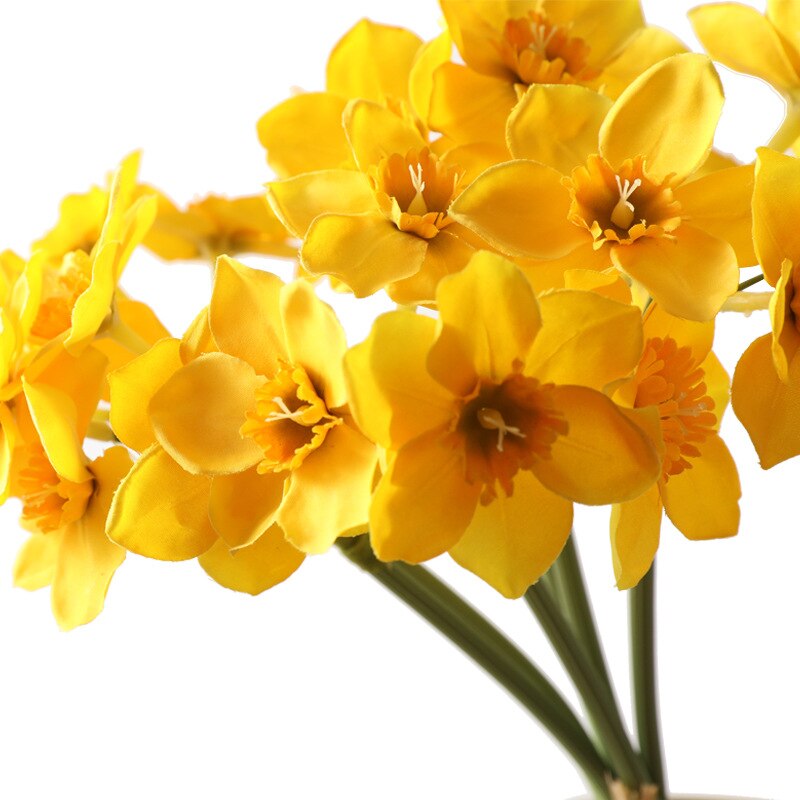
Leading the collection is the Faux Daffodil. A lifelike imitation of the harbinger of spring, it allows you to enjoy that vibrant “New Beginning” energy year-round without the need for seasonal care. Read on to explore the fascinating stories behind the letter D.
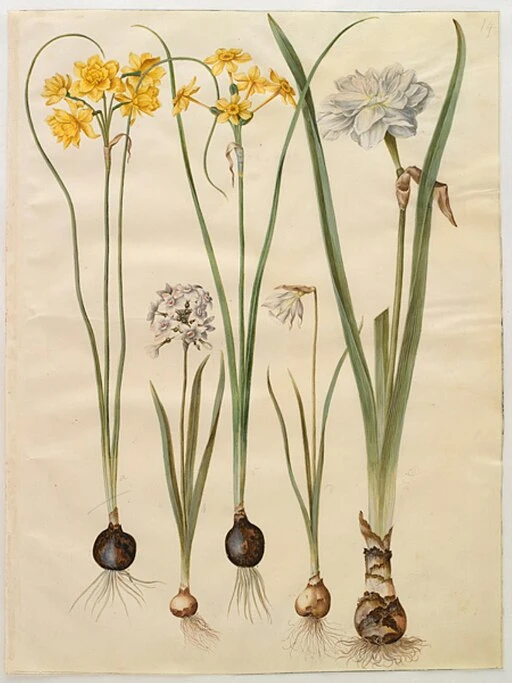
Narcissus Pseudonarcissus
Daffodil (Narcissus / Jonquil)
Symbolises: Rebirth, New Beginnings, Hope
As one of the first flowers to pierce through the winter frost, the Daffodil is the ultimate symbol of Rebirth and New Beginnings. Its trumpet shape is said to herald the return of the sun.
Read Full Symbolism
Hope & Resilience:
In memorial tributes, Daffodils offer a powerful message of hope to the grieving family—a reminder that after the winter of grief, spring will return. They are a promise that life continues.
Colour Meanings:
Yellow (Jonquil): Joy, Vitality, and Sunshine.
White: Purity and Spiritual Awareness.
Note: In Victorian times, a single daffodil could imply misfortune, but a bunch ensured happiness. Always gift them in abundance.
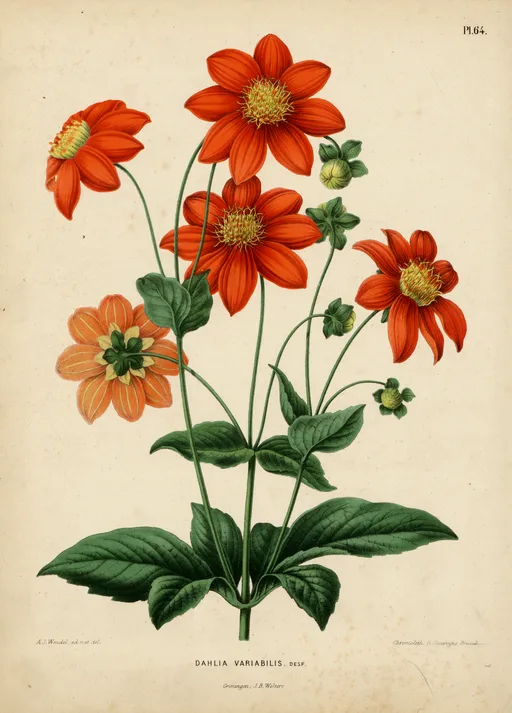
Dahlia Pinnata
Dahlia
Symbolises: Dignity, Elegance, Eternal Bond
With their intricate, geometric petals, Dahlias symbolize Dignity and Elegance. In the Victorian language of flowers, they carried the sentiment “Forever Thine”—making them a profound symbol of commitment.
Read Full Symbolism
The Lasting Bond:
Because Dahlias bloom late in the season (when other flowers are fading), they represent fortitude and a bond that lasts until the very end. Placing a Dahlia at a gravesite signifies a relationship that withstands the test of time and separation.
Structural Beauty:
Our Faux Dahlias capture the complex beauty of the Pompon and Decorative varieties, offering a structured, dignified focal point for any tribute.
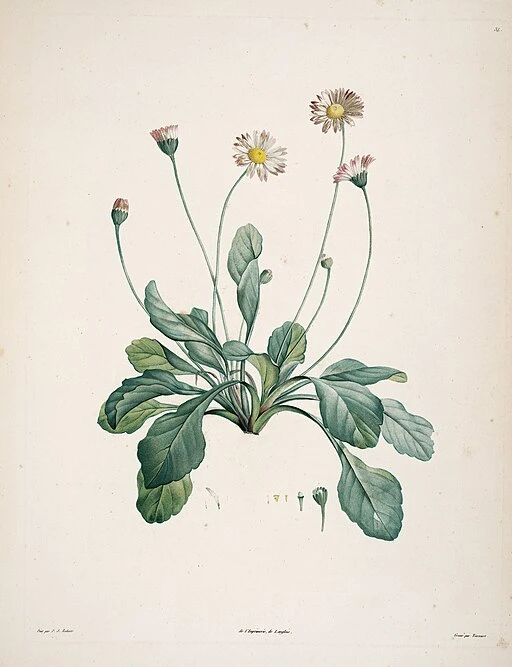
Bellis Perennis
Daisy
Symbolises: Innocence, Loyal Love, Purity
The name “Daisy” comes from “Day’s Eye,” because the flower opens at dawn and closes at dusk. It is the universal symbol of Childlike Innocence and Purity.
Read Full Symbolism
Loyal Love:
In Norse mythology, the Daisy is the sacred flower of Freya, the goddess of love. It represents “Loyal Love” and the ability to keep a secret (“I’ll never tell”).
A Gentle Farewell:
In funeral tributes, Daisies are often used for children or infants to represent an untarnished soul. However, they are also a beautiful choice for anyone who lived a simple, honest, and kind life.
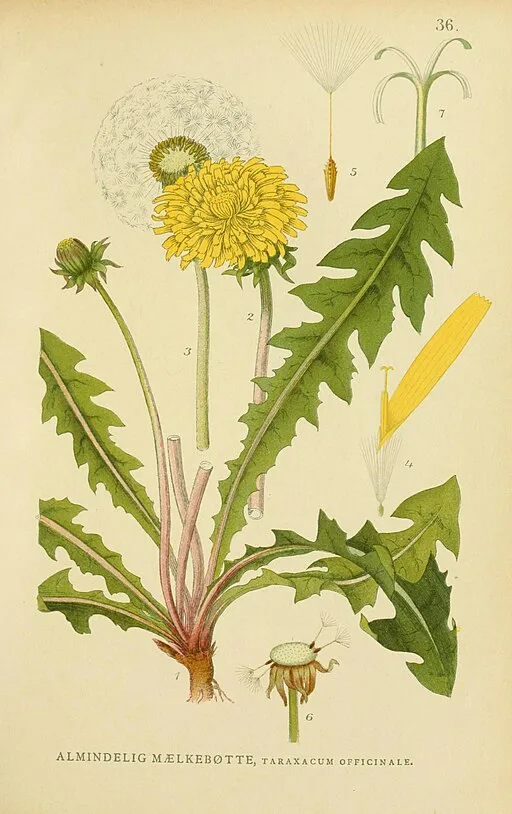
Taraxacum Officinale
Dandelion
Symbolises: Survival, Healing, Wishes
Often dismissed as a weed, the Dandelion is actually a powerful symbol of Survival and Resilience. It can thrive in difficult conditions where others would perish, making it a fitting tribute for a strong-willed spirit.
Read Full Symbolism
Sending Wishes:
The seed head (or “clock”) is famously used to make wishes. In a memorial context, blowing the seeds represents releasing the soul to the heavens or sending a wish/prayer to the loved one who has passed.
Healing:
Historically used for medicine, it also represents emotional healing and the ability to recover from grief.
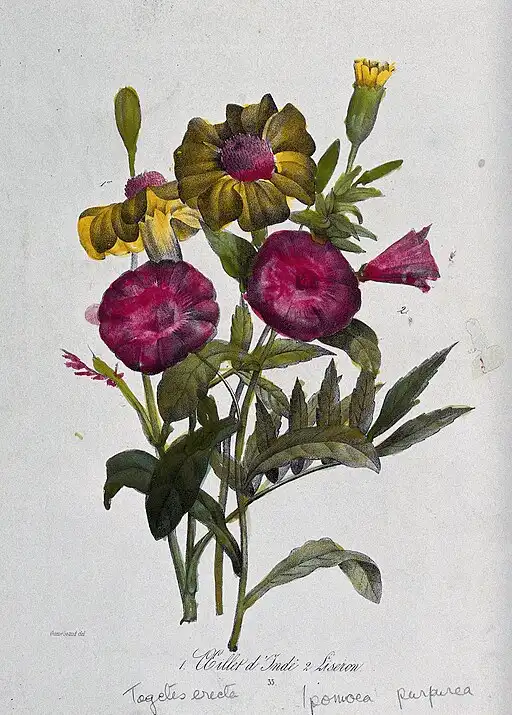
Día de los Muertos Ofrenda
Day of The Dead (Día de los Muertos)
“The flower of the dead guiding the spirits home.”
Día de los Muertos is not a day of mourning, but a vibrant Mexican celebration of life and memory. Central to this festival is the Marigold (Tagetes erecta), known as the Cempasúchil or “Flower of the Dead.”
Read Full Festival Symbolism
Guiding the Spirits:
It is believed that the vibrant orange colour and strong scent of the Marigold help guide the spirits of the departed back to the world of the living to visit their families. Petals are often scattered to form a path from the cemetery to the family home.
The Ofrenda (Altar):
Families build altars adorned with photos, food, sugar skulls, and masses of bright flowers. Unlike Western funerals which often favour white and sombre tones, this festival embraces Orange, Yellow, and Pink to celebrate the joy the deceased brought into the world.
A Different Perspective:
This tradition teaches us that death is not the opposite of life, but a part of it. Using bright Marigolds in a tribute can be a way to say: “We do not forget you; come celebrate with us.”
Echinacea (Coneflower)
Symbolises: Strength, Health, Healing
Commonly known as the Coneflower, Echinacea is celebrated for its prominent, spiky center and drooping purple petals. In the language of flowers, it represents Strength and Health.
Read Full Symbolism
A Healer’s Tribute:
Long used in herbal medicine to boost the immune system, Echinacea is a fitting tribute for someone who was a healer, a nurse, or simply a source of strength for their family. It symbolizes a spirit that was robust and nurturing.
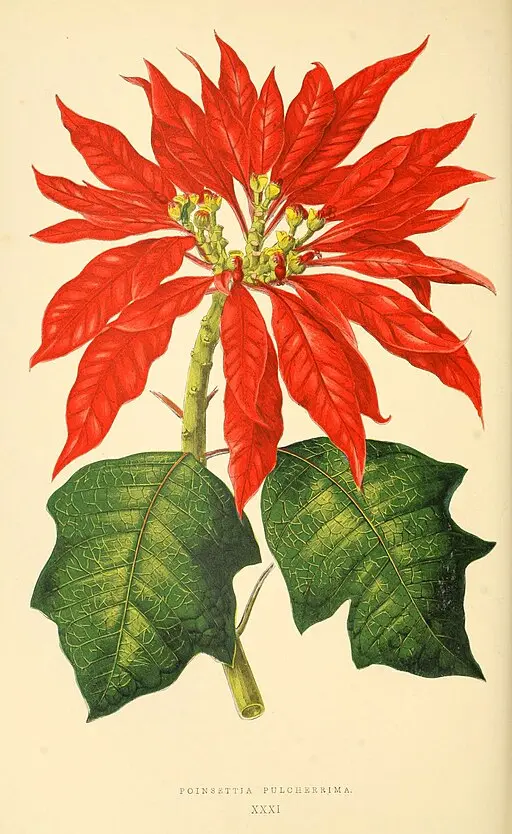
Euphorbia Pulcherrima
Euphorbia (Spurge)
Symbolises: Persistence, Protection
The Euphorbia genus is massive, ranging from tiny succulents to the famous Poinsettia. Generally, it symbolizes Persistence due to its hardy nature.
Read Full Symbolism
Structural Accent:
While rarely the focal point of a bouquet (except for Poinsettias at Christmas), Euphorbia foliage adds texture and longevity to an arrangement. It represents a protective, enduring love that persists through all seasons.
F is for Fabaceae
The letter F introduces us to a study in contrasts. It ranges from the delicate, butterfly-like blooms of the **Fabaceae** family (Sweet Peas), representing gentle pleasures, to the bold, vibrant energy of **Fuchsia**.
Whether you are seeking the pristine serenity of **Floral White** tributes or the structural elegance of a formal **Funeral Spray**, this collection offers diverse ways to express farewells, both whispered and declared.
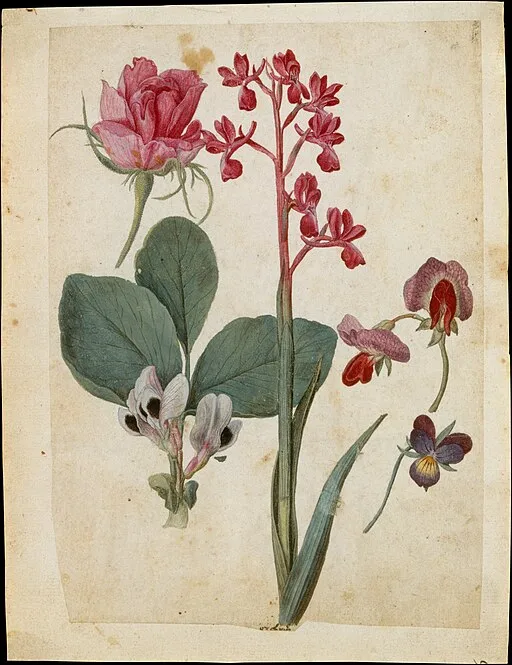
Lathyrus Odoratus (Sweet Pea)
Fabaceae Family (Sweet Peas & Wattles)
Symbolises: Delicate Pleasure, Departure
The Fabaceae (Legume) family includes beloved garden favorites like the Sweet Pea and the Australian Wattle (Acacia). Sweet Peas specifically symbolize “Delicate Pleasure” and “Good-bye.”
Read Full Symbolism
A Gentle Farewell:
Because of their fragile, butterfly-like petals, flowers in this family represent the fleeting nature of joy. Including Sweet Peas in a tribute is a soft, nostalgic way to say farewell to a gentle soul.
Floral White
Symbolises: Purity, Innocence, Spirituality
Floral White is the colour of light, angels, and the soul. In a cemetery setting, it creates an atmosphere of peace, serenity, and cleansing.
Read Cultural Meanings
Western Culture:
White Roses, Lilies, and Chrysanthemums represent the innocence of the soul restored to a state of grace. It is the most traditional colour for expressing sympathy and pure love.
Eastern Culture:
In many Asian traditions, White is the official colour of mourning (unlike Black in the West). It represents the spiritual world and the promise of eternal life.
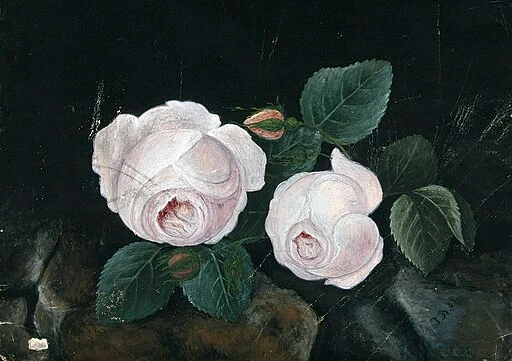
The Art of the Arrangement
From Ancient Egypt to Victorian England, the way flowers are arranged has always carried deep meaning. In modern memorials, the arrangement style dictates the emotion.
Read History & Styles
Ancient Roots:
Egyptians placed lotus flowers on graves as a symbol of rebirth. Romans used wreaths to honour the dead. In Japan, Ikebana (flower arranging) is a spiritual art form where every stem placement has meaning.
Modern Styles:
Wreaths: The circle represents eternity (no beginning and no end).
Sheaves: Hand-tied bunches representing a “harvested” life, often placed directly on the grave.
Casket Sprays: Large, diamond-shaped arrangements that cover the casket, usually from the immediate family.
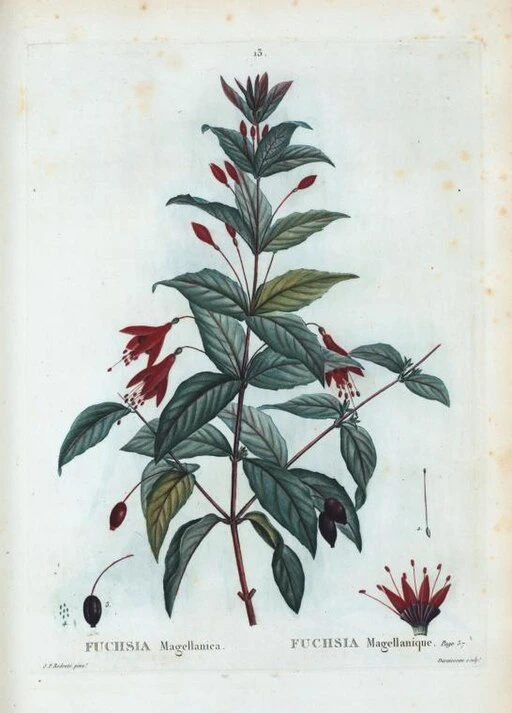
Fuchsia Magellanica
Fuchsia
Symbolises: Confiding Love, Taste
The Fuchsia flower, with its unique “earring” shape, symbolizes Confiding Love. It implies a secret or intimate understanding shared between two people.
Read Colour Meaning
The Colour Fuchsia:
Beyond the flower itself, the colour Fuchsia (a vivid purplish-red) represents Passion, Energy, and Vitality. Using this bold colour in a tribute celebrates a vibrant personality—someone who lived life loudly and joyfully. It breaks the somber mood of a funeral to celebrate the energy of the deceased.
Flower Etiquette: The Numbers Game
Odd Numbers (1, 3, 5, 7…)
In many European and Asian cultures (particularly Russia and Eastern Europe), giving flowers in Odd Numbers is essential for happy occasions and the living. It is believed that odd numbers are dynamic and life-affirming.
The Rule of Design:
In floristry, arrangements often follow the “Rule of Three.” Odd numbers (3 roses, 5 lilies) create a focal point and are visually more pleasing to the eye than symmetrical even numbers.
Even Numbers (2, 4, 6, 8…)
In Slavic and some European traditions, Even Numbers are strictly reserved for funerals and the deceased. Giving an even number (like 12 roses) to a living person is sometimes considered bad luck or a bad omen.
However:
In Western culture (USA, UK, Australia), the “Dozen Roses” (12) is the ultimate romantic gesture. For memorial tributes, the number matters less than the sentiment, but a large, symmetrical spray often uses even numbers to create balance and calm.
G is for Gerbera
The letter G introduces a spectrum of emotion—from the innocent cheerfulness of the Gerbera to the solemn integrity of the Gladiolus.
Whether you need a flower that speaks of the secret intimacy of a Gardenia or the strength of character found in the “Sword Lily,” this collection offers powerful ways to tell a story of love and resilience.
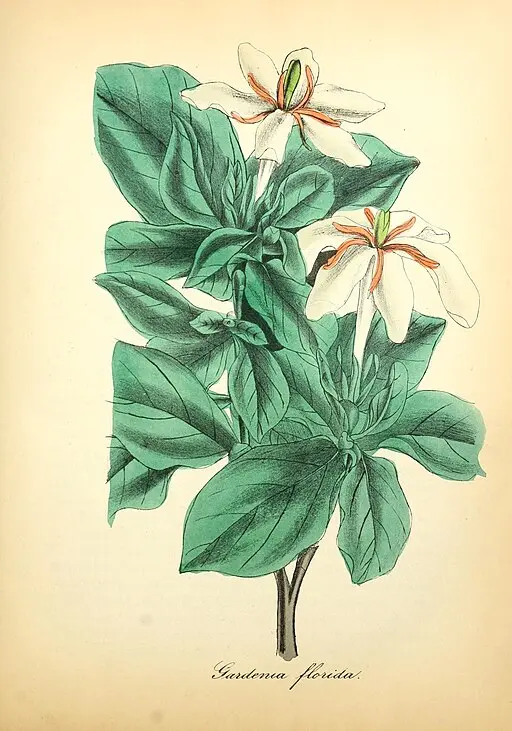
Gardenia Jasminoides
Gardenia
Symbolises: Secret Love, Purity, Joy
With its creamy white petals and intoxicating fragrance, the Gardenia is a symbol of Secret Love and Purity. In the Victorian era, sending a Gardenia was a sophisticated way to say “You are lovely” without revealing the sender’s identity.
Read Full Symbolism
A Private Tribute:
In a memorial context, the Gardenia represents a deep, private affection. It suggests that the bond shared with the departed was intimate, pure, and filled with joy. Its white colour also links it to spiritual cleansing and peace.
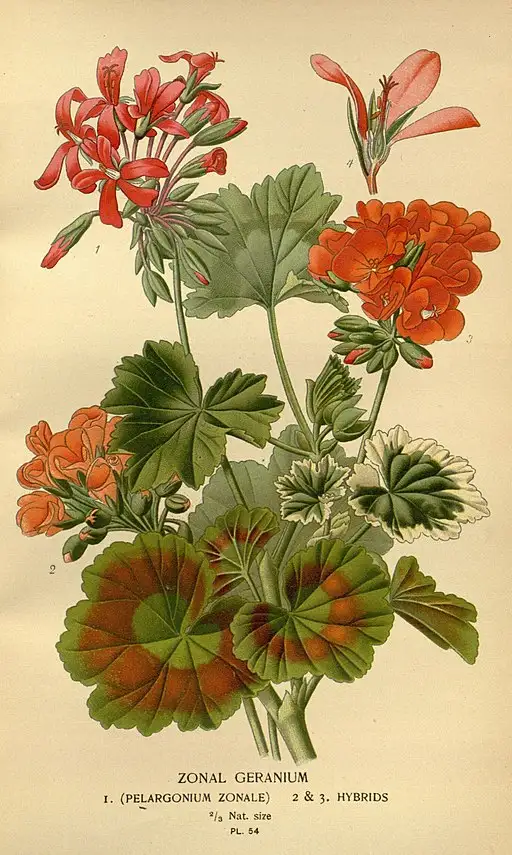
Pelargonium Zonale
Geranium
Symbolises: True Friendship, Comfort
The humble Geranium, a staple of cottage gardens, symbolizes True Friendship and Comfort. It represents the reliability of a friend who is always there, offering solace without needing to be asked.
Read Full Symbolism
Colour Nuances:
Dark Red: Melancholy and consolation.
Scarlet: Comforting presence.
Pink: Preference.
Including Geraniums in a tribute is a nod to a steadfast, down-to-earth companion.
Gerbera Jamesonii
Gerbera Daisy
Symbolises: Innocence, Cheerfulness, Loyal Love
The fifth most popular flower in the world, the Gerbera is defined by its vibrant colours and open, sunny face. It universally symbolises Cheerfulness and Innocence.
Read Full Symbolism
Celebrating Life:
While many funeral flowers are somber, Gerberas are chosen to celebrate the joy the deceased brought into the world. They are particularly common in tributes for children or those with a bright, sunny disposition.
Colour Meanings:
Pink: Admiration and compassion.
Red: Unconscious love.
Yellow: Happiness and friendship.
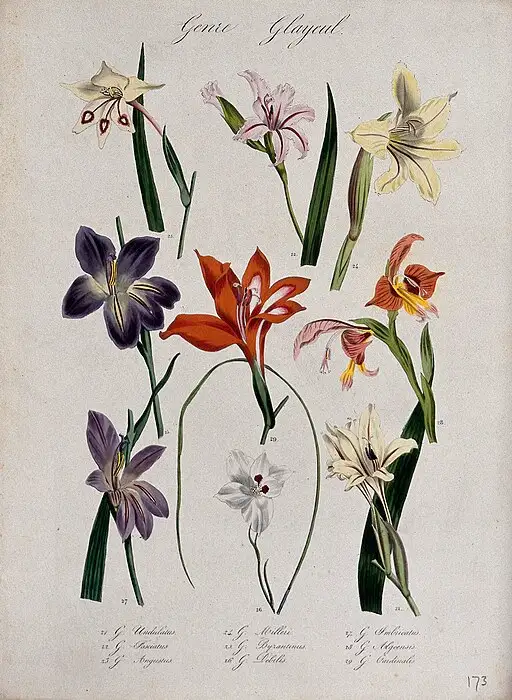
Gladiolus Communis
Gladiolus (Sword Lily)
Symbolises: Strength of Character, Integrity, Remembrance
The name “Gladiolus” comes from the Latin gladius (sword), referring to its tall, blade-like leaves. It is the flower of Strength, Integrity, and Moral Character.
Read Full Symbolism
The Warrior’s Flower:
Because it pierces the heart with its beauty, it represents a heart full of love and conviction. It is a traditional choice for funeral sprays (especially for men or veterans) as its tall stems add height and dignity to an arrangement, symbolizing a life lived with honour.
Looking for Gypsophila? See Baby’s Breath in Volume B.
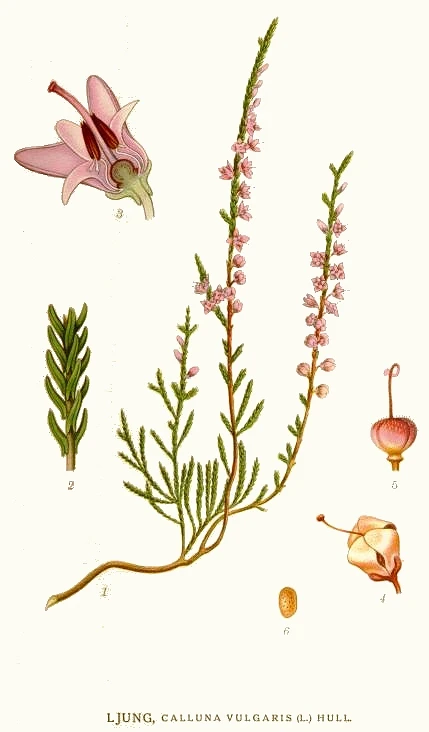
Calluna Vulgaris
Heather
Symbolises: Admiration, Good Luck, Protection
Native to the rugged moors of Scotland, Heather is a symbol of Good Luck and Protection. In floriography, Purple Heather specifically signifies “Admiration” and solitude.
Read Full Symbolism
Solitude & Beauty:
Because it thrives in wild, windy places, it represents a resilient, independent spirit. White Heather is considered incredibly lucky and is often used to wish safety and protection to a departing soul.
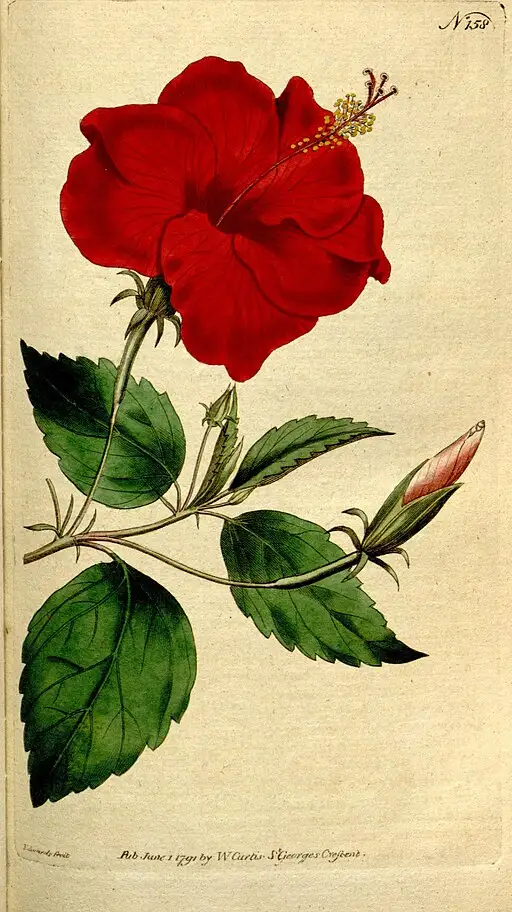
Hibiscus Rosa-Sinensis
Hibiscus
Symbolises: Delicate Beauty, Glory
With its large, paper-thin petals and prominent stamen, the Hibiscus is the emblem of Delicate Beauty. In Victorian times, it meant “Consumed by Love.”
Read Full Symbolism
Fleeting Glory:
Because the bloom often lasts only a day or two, it represents the seizing of the moment and the fleeting nature of glory. It is a perfect tribute for someone who lived vibrantly and beautifully, even if their time was short.
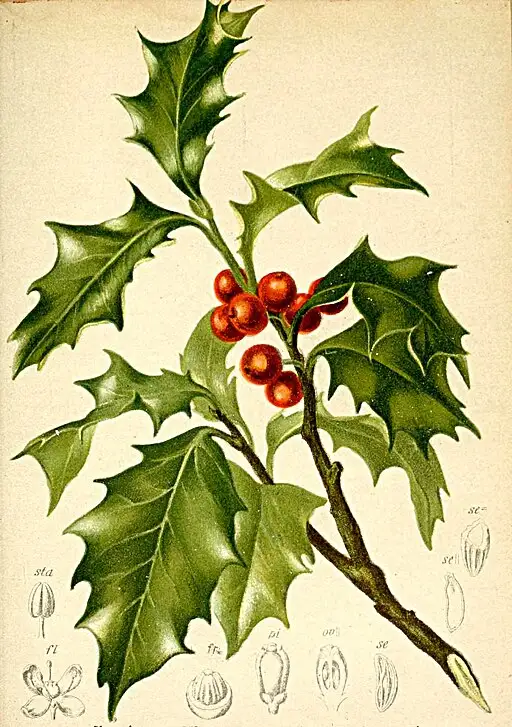
Ilex Aquifolium
Holly
Symbolises: Domestic Happiness, Defence
While synonymous with Christmas, the evergreen Holly represents Domestic Happiness and Defence. Its prickly leaves were thought to ward off evil spirits and protect the home.
Read Full Symbolism
Eternal Life:
In Christianity, the red berries represent the blood of Christ and the evergreen leaves symbolize eternal life. It is a meaningful addition to winter memorials, promising that life continues through the harshest seasons.
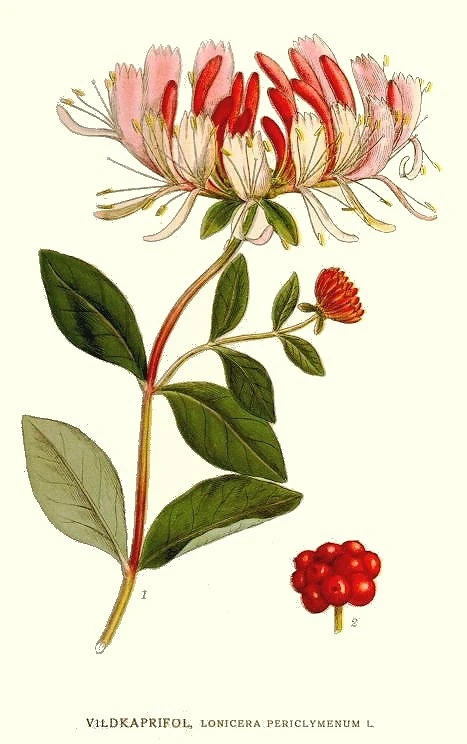
Lonicera Periclymenum
Honeysuckle
Symbolises: Bonds of Love, Devotion
The sweet-scented Honeysuckle vine clings tightly to anything it touches. For this reason, it symbolizes Bonds of Love and generous, devoted affection.
Read Full Symbolism
Nostalgia:
Its scent often evokes powerful memories of childhood summers. In a tribute, it represents a love that binds two souls together, inseparable even in death.
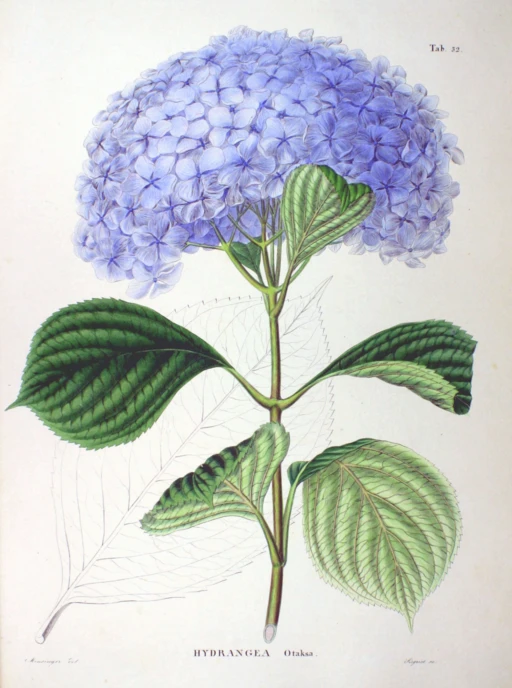
Hydrangea Macrophylla
Hydrangea
Symbolises: Heartfelt Emotion, Gratitude, Understanding
With its massive, cloud-like heads composed of tiny petals, the Hydrangea represents Heartfelt Emotion and Gratitude. It is a flower of abundance and sincerity.
Read Full Symbolism
Deep Understanding:
It is often used to express “Thank you for understanding.” In Japan, it is associated with apologies and heartfelt feeling. Blue Hydrangeas specifically symbolize deep peace and serenity, making them a calming presence at a memorial.
I is for Iris
The letter I brings us the bridge between worlds. Leading this collection is the majestic **Iris**, named after the Greek messenger of the gods.
Accompanied by the steadfast clinging nature of **Ivy** and the motherly affection of **Impatiens**, these plants represent deep connections—both spiritual and earthly—that cannot be broken.
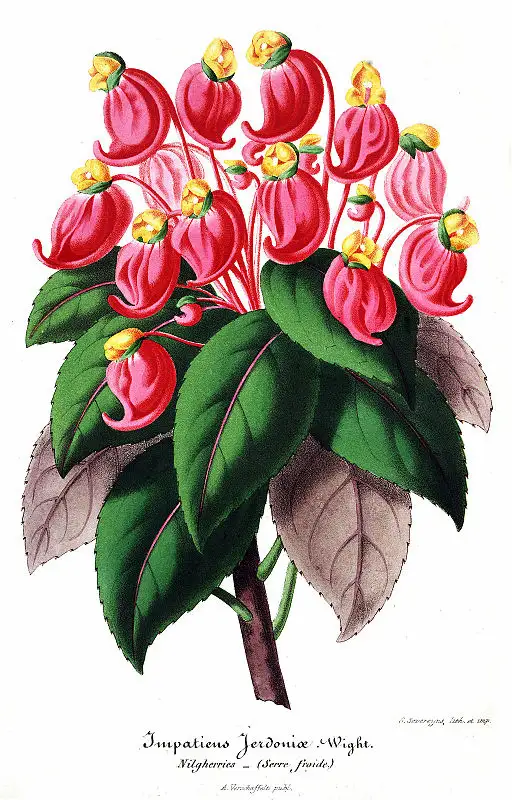
Impatiens jerdoniae
Impatiens
Symbolises: Motherly Love, Impatience
Often called “Busy Lizzie,” the Impatiens is a shade-loving bloom that symbolizes Motherly Love. In traditional floriography, it can also imply “Impatience” due to the way its seed pods burst open when touched.
Read Full Symbolism
A Gentle Tribute:
Despite the name, in a memorial setting, it is a soft, gentle tribute often used for mothers or grandmothers, representing a love that was abundant and ever-blooming.
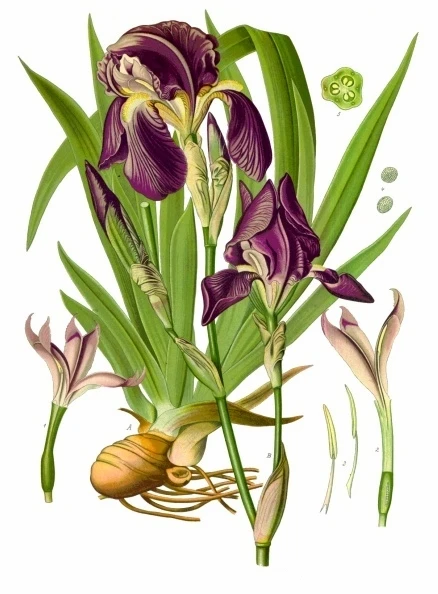
Iris Germanica
Iris
Symbolises: Faith, Wisdom, Hope
Taking its name from the Greek Goddess of the Rainbow, the Iris is the messenger between heaven and earth. It is one of the most significant flowers in history, inspiring the Fleur-de-lis.
Read Full Symbolism
The Bridge:
In funeral customs, the Iris is planted on graves to summon the Goddess Iris to guide the soul to the afterlife. It represents a link that transcends death.
Colour Meanings:
Purple: Wisdom and Compliments.
Blue: Hope and Faith.
White: Purity.
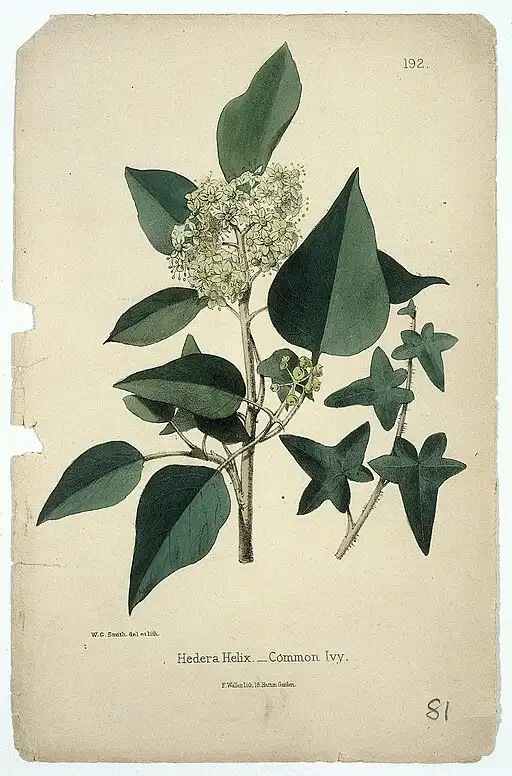
Hedera Helix
Ivy
Symbolises: Fidelity, Wedded Love, Friendship
Because Ivy clings to rock and stone, never letting go even in harsh weather, it is the ultimate symbol of Fidelity and Undying Affection.
Read Full Symbolism
The Unbreakable Bond:
In weddings, it represents a promise to stay together. In funerals, it symbolizes a connection that death cannot sever. Using Ivy in a wreath or spray speaks of a loyalty that is evergreen and eternal.
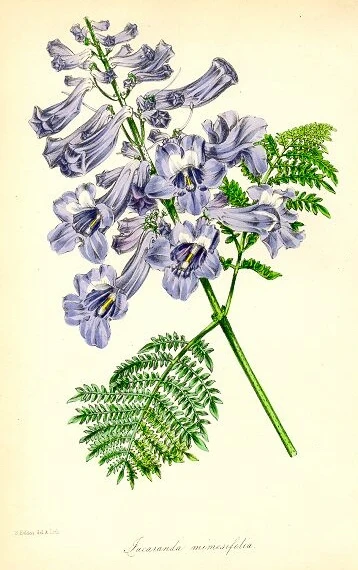
Jacaranda Mimosifolia
Jacaranda
Symbolises: Wisdom, Rebirth, Wealth
For Australians, the bloom of the Jacaranda signals the end of the year and exam time, earning it an association with Wisdom and Knowledge.
Read Full Symbolism
A Carpet of Memory:
Legend says if a Jacaranda flower falls on your head, you will have good luck. In a memorial context, the purple blooms represent dignity and a life filled with learning. It is a nostalgic symbol of Australian suburban life.
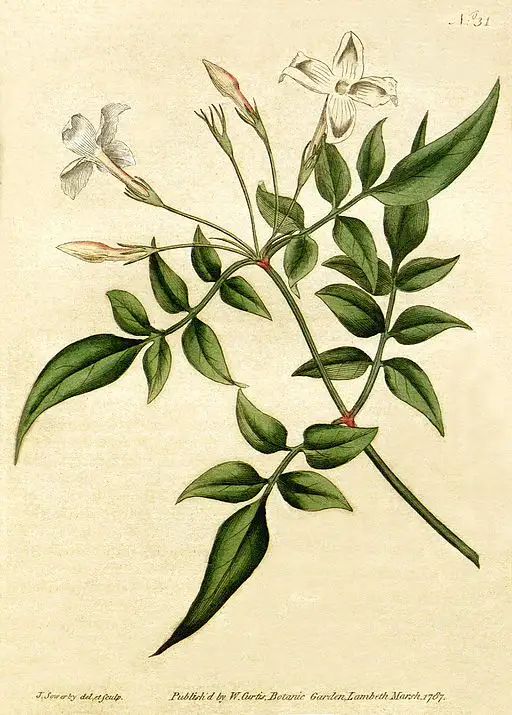
Jasminum Officinale
Jasmine
Symbolises: Amiability, Grace, Elegance
Known for its intense, sweet perfume, Jasmine is the flower of Amiability (friendly and pleasant manner). In Hindu traditions, it is often used in garlands to honour the divine and the departed.
Read Full Symbolism
Eternal Love:
In the language of flowers, white Jasmine represents “amiability” while yellow Jasmine can signify grace and elegance. It is a flower that speaks of a sweet, gentle spirit that brought fragrance to the lives of others.
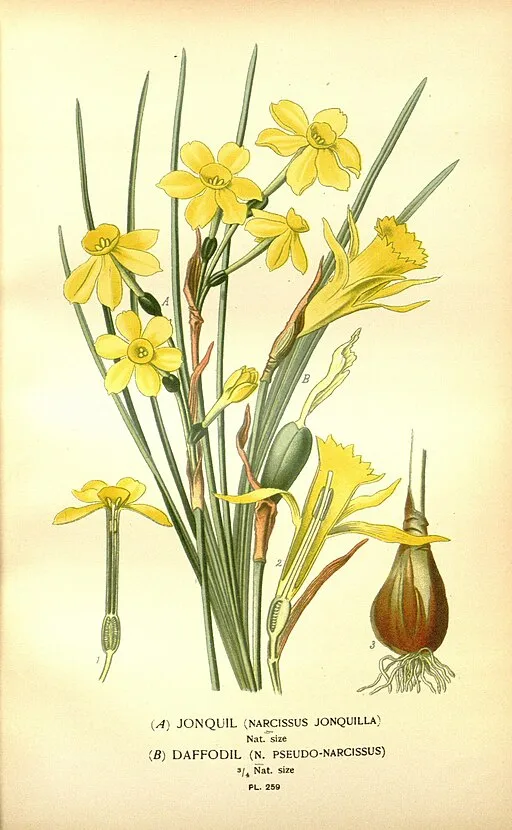
Narcissus Jonquilla
Jonquil
Symbolises: Desire, Affection, Return
Often confused with the Daffodil, the Jonquil is smaller, fragrant, and has reed-like leaves. It specifically symbolizes “I desire a return of affection.”
Read Full Symbolism
Sympathy:
In Victorian times, sending a Jonquil indicated a desire for friendship or love to be reciprocated. In a funeral setting, it represents a deep affection for the deceased and the sorrow of separation.
K is for Kangaroo Paw
The letter K brings us a collection defined by resilience and distinct character. It ranges from the rugged, architectural beauty of the Australian Kangaroo Paw to the fiery endurance of the Kniphofia (Red-Hot Poker).
Whether you are seeking the vibrant vitality of the Kalanchoe or a tribute that speaks of a unique, unbreakable spirit, this section celebrates the bold and the brave.
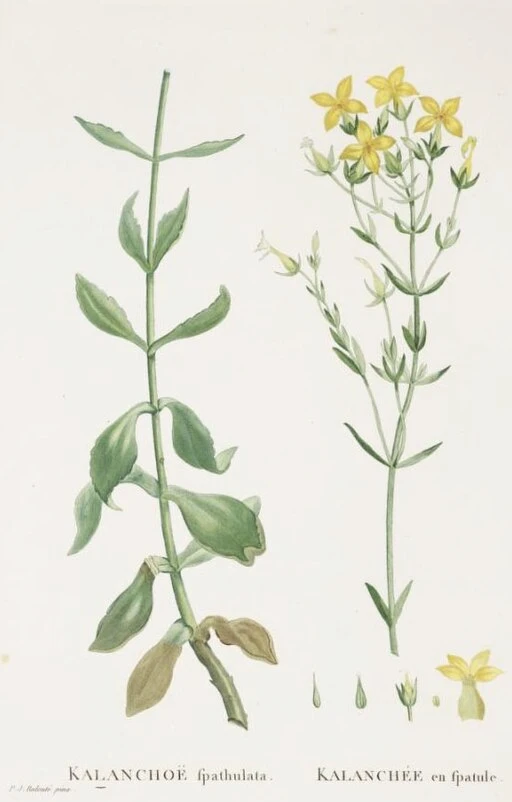
Kalanchoe
Kalanchoe (Flaming Katy)
Symbolises: Life, Vitality, Resilience
Native to Madagascar, the Kalanchoe (or “Flaming Katy”) is a succulent celebrated for its clusters of vibrant, starry blooms. It symbolizes Life and Vitality, bringing a burst of light to somber places.
Read Full Symbolism
Light in Darkness:
In a cemetery context, its bright colours (Pink, Red, Orange, Yellow) serve as a reminder of the beauty and fragility of life. Its ability to thrive in harsh conditions makes it a fitting symbol of resilience and hope amidst grief.
Cultural Roots:
In European cultures, it represents a deep bond of affection that persists after death. In Ancient Egypt, it was associated with the concept of eternal life and rebirth.
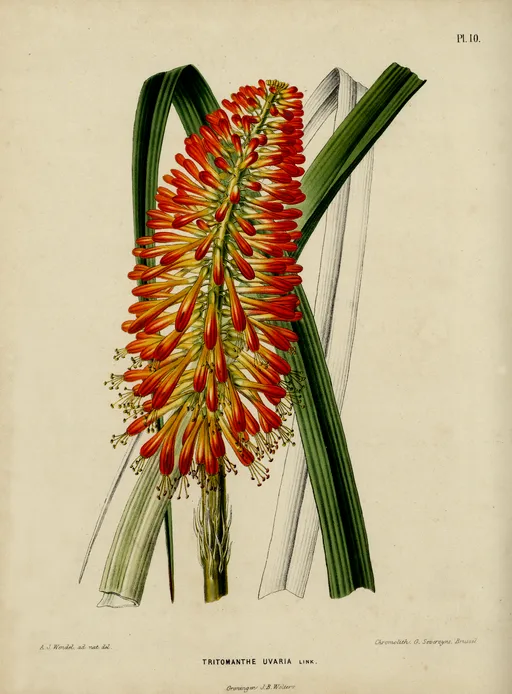
Kniphofia Uvaria
Kniphofia (Red-Hot Poker)
Symbolises: Strength, Endurance, Eternal Life
Known as the “Red-Hot Poker” or “Torch Lily,” this South African native is unmistakable with its tall, fiery spikes. It represents Strength and Endurance.
Read Full Symbolism
The Guiding Light:
Historically, its torch-like appearance has been linked to the afterlife—a light guiding the spirit. In European cultures, it honours the memory of a loved one with a symbol of eternal life that stands tall against the elements.
Faux Advantage:
Real Kniphofia blooms fade quickly from the bottom up. Our faux versions capture the peak “fire” of the bloom permanently, offering a long-lasting and cost-effective tribute that requires no water or maintenance.
L is for Lavender
The letter L introduces us to some of the most fragrant and meaningful plants in the botanical world. Leading the collection is the soothing Faux Lavender, a favourite for creating an atmosphere of peace and tranquility.
Whether you are drawn to the nostalgic scent of Lilacs or the profound spiritual symbolism of the Lotus, this collection offers beautiful ways to express devotion, purity, and the cycle of life.
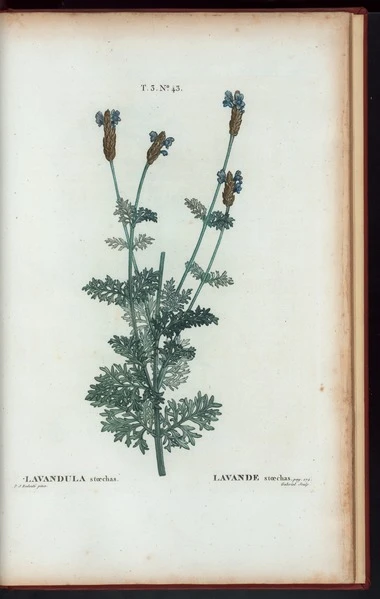
Lavandula
Lavender
Symbolises: Purity, Tranquillity, Grace, Devotion
Known for their long, slender stalks and soothing fragrance, Lavender flowers symbolize Purity, Tranquillity, and Devotion. They have a long history of use in ceremonial settings to bring comfort to the grieving.
Read Full Symbolism
A Global Symbol of Peace:
In European culture, Lavender adorns graves to represent purity and bring solace. In English tradition, it is specifically linked to peace and tranquility, creating a calm atmosphere at a gravesite. Even in ancient Rome, it was valued for its medicinal and purifying properties.
Spiritual Guidance:
Whether in Latin American, Filipino, or Greek cultures, Lavender is used to honor the memory of the deceased, representing an enduring spirit and spiritual guidance. Its delicate nature speaks of a love that is gentle yet persistent.
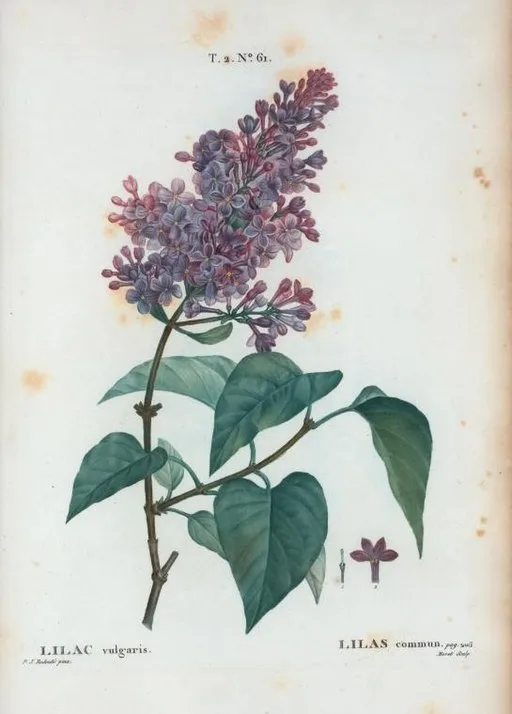
Syringa Vulgaris
Lilac
Symbolises: First Love, Youthful Innocence
The Lilac bush blooms briefly in spring, filling the air with a nostalgic fragrance. Purple Lilacs symbolize the first emotions of love, while White Lilacs represent youthful innocence.
Read Full Symbolism
Nostalgia:
Because of their strong scent, Lilacs often evoke powerful memories of the past. They are a poignant tribute for remembering a love from one’s youth or a life cut short.
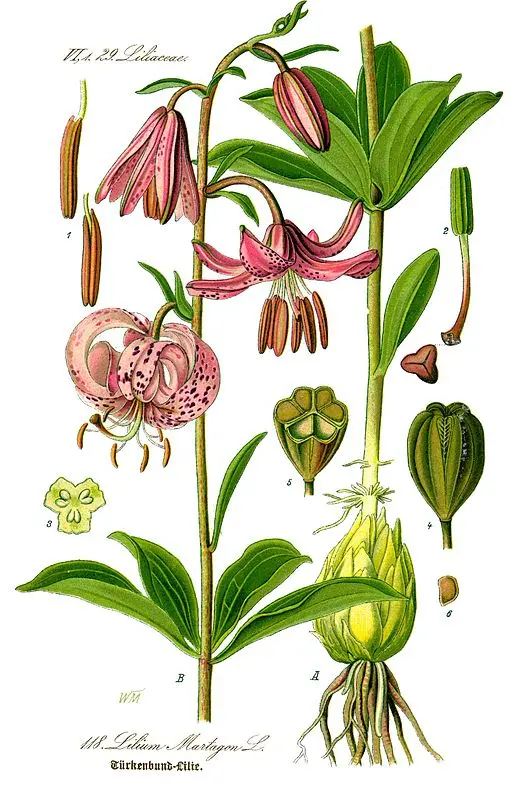
Lilium
Lily
Symbolises: Purity, Virtue, The Soul’s Journey
The Lily is one of the most profound symbols in the floral world. With over 100 species, it is universally recognized as a symbol of Purity, Virtue, and Refined Beauty.
Read Full Symbolism & History
The Soul’s Journey:
In funeral traditions, the Lily symbolizes the soul’s journey to the afterlife. In Christian iconography, the White Lily represents the Virgin Mary’s purity. In Ancient Egypt, it was a symbol of rebirth.
Cultural Depth:
From the “Lily of the Valley balls” of King Charles IX in France to the Shinto ceremonies of Japan, the Lily has always represented good luck, purity, and the restoration of innocence to the departed soul.
Faux Advantage:
Real Lilies are toxic to cats and their pollen can stain. Our Faux Lilies offer the majestic beauty of the bloom without the mess or risk, making them perfect for long-term memorial placement.
Lily Colour Meanings
- White: Modesty, Virginity, Majesty, and Sympathy.
- Yellow: Gaiety, Happiness, and Gratitude.
- Orange: Passion and Confidence.
- Pink: Prosperity, Abundance, and Affection.
- Red: Deep Passion and Love.
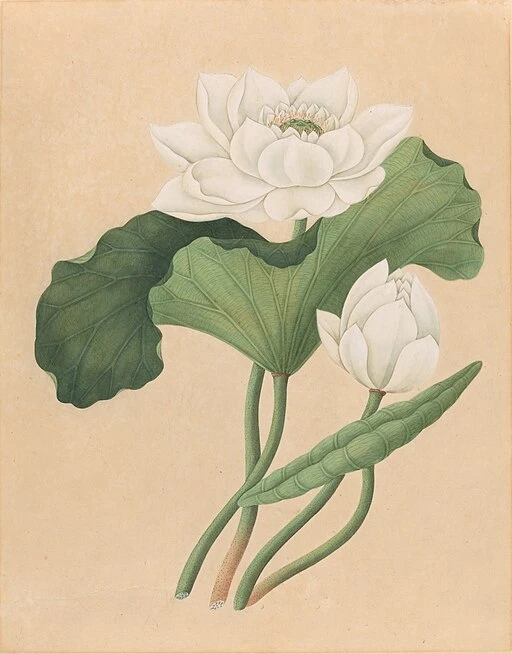
Nelumbo Nucifera
Lotus Flower
Symbolises: Rebirth, Cycle of Life
The Lotus is a sacred flower in many Eastern traditions, symbolizing Rebirth and the Cycle of Life and Death. It rises from the mud to bloom pristinely on the water, representing the soul’s journey from darkness to light.
Read Full Symbolism
Spiritual Awakening:
In Buddhism, it represents enlightenment and detachment from the material world. In Hinduism, it is associated with Brahma (creation) and Laxmi (wealth). Placing a Lotus at a memorial acknowledges the spiritual progression of the soul.
M is for Magnolia
The letter M introduces us to blooms of ancient lineage and profound dignity. Leading the collection is the **Magnolia**, a flower that existed before bees even evolved, representing endurance and nobility.
Whether you are drawn to the delicate sensitivity of the **Mimosa** or the healing warmth of the **Marigold**, this section explores themes of strength, grief, and the enduring nature of the soul.
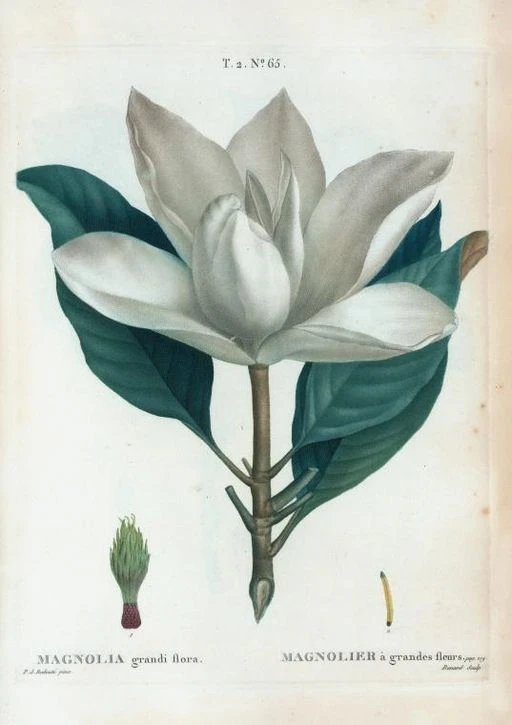
Magnolia Grandiflora
Magnolia
Symbolises: Nobility, Perseverance, Dignity
Native to the Americas and Asia, the Magnolia is known for its glossy leaves and massive, fragrant blooms. It symbolizes Nobility and Perseverance, reflecting its ancient evolutionary history.
Read Full Symbolism
Strength & Femininity:
In Chinese culture, the Magnolia represents feminine beauty and gentleness. However, in Japan, it is associated with the samurai spirit and the courage to endure. In a memorial context, it honors a dignified soul who faced life’s challenges with grace and strength.
Cultural Notes:
In the Philippines, it is a symbol of purity and devotion (often used in weddings), while in the American South, it represents the resilience of family lineage.
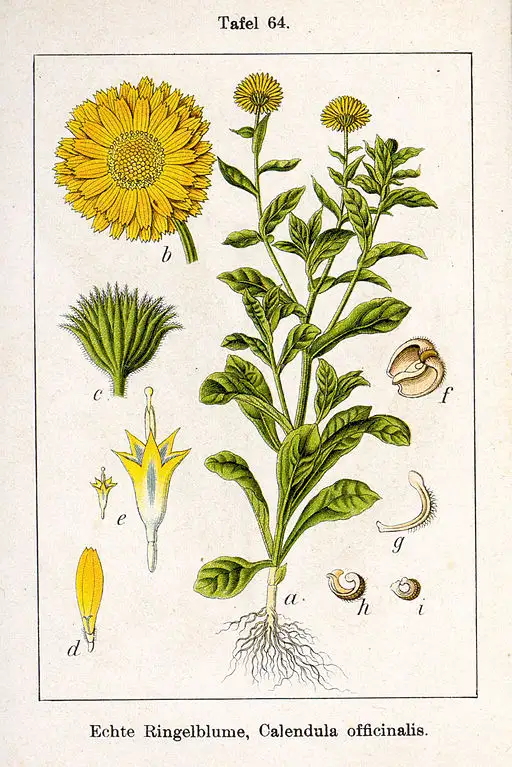
Calendula Officinalis
Marigold (Calendula)
Symbolises: Grief, Sorrow, The Sun
While the Mexican Marigold (Tagetes) celebrates the dead with joy, the European Pot Marigold (Calendula) has traditionally symbolized Grief and Sorrow. Yet, it also represents the comfort of the sun.
Read Full Symbolism
The Golden Comfort:
Historically, the Greeks and Romans used Marigolds in funerary rituals to honor the dead. While it acknowledges the pain of loss (“Grief”), its vibrant orange colour simultaneously offers a message of warmth and the enduring spirit of the deceased.
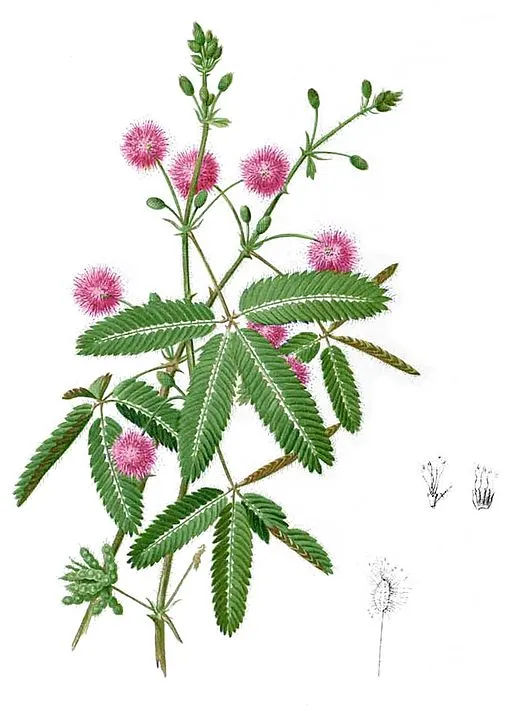
Mimosa Pudica
Mimosa (Sensitive Plant)
Symbolises: Sensitivity, Chastity, Respect
Known as the “Touch-Me-Not,” the Mimosa physically closes its leaves when touched. This unique trait has made it the symbol of Sensitivity and Chastity.
Read Full Symbolism
A Symbol of Respect:
The yellow blooms of the Mimosa (often Acacia dealbata in floristry) represent sunshine and secret love. It is traditionally given on International Women’s Day in Italy as a sign of respect and solidarity with women.
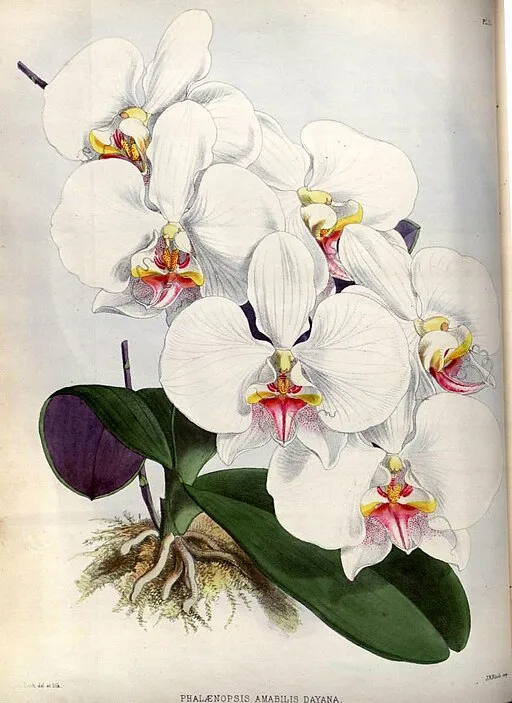
Phalaenopsis
Moth Orchid (Phalaenopsis)
Symbolises: Eternal Life, Beauty, Remembrance
The Phalaenopsis gets its name from the Greek for “Moth Appearance,” describing its delicate, wing-like petals. It is a profound symbol of Eternal Life due to its incredibly long blooming cycle.
Read Full Symbolism
The Enduring Spirit:
Because a single stem can bloom for months, it represents a love that does not fade. In memorial settings, White Moth Orchids symbolize the innocence of the soul, while Pink represents deep affection and memory.
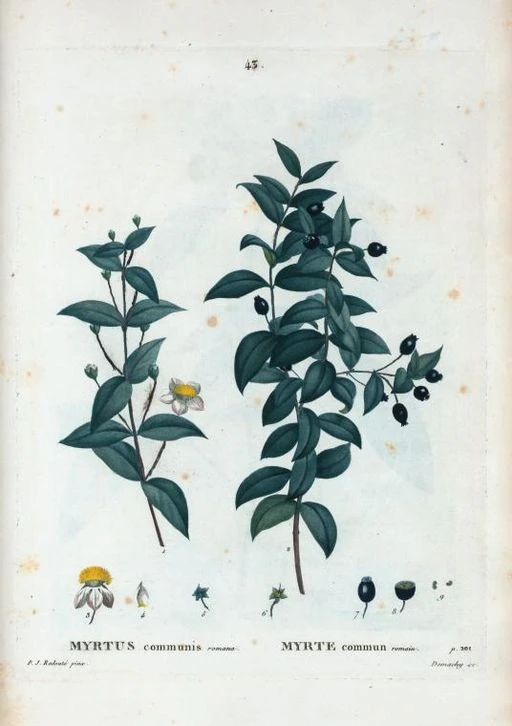
Myrtus Communis
Myrtle
Symbolises: Love, Marriage, Hebrew Emblem
Myrtle is the ancient emblem of love and marriage. Every Royal Bride in the UK since Queen Victoria has carried a sprig of Myrtle in her bouquet. It represents Love and Immortality.
Read Full Symbolism
Evergreen Love:
As an evergreen shrub, it speaks of a love that never dies. In a memorial context, it is a touching tribute for a spouse, symbolizing the vows that transcend even death.
N is for Narcissus
The letter N signals the return of spring and the triumph of life. It is headlined by the **Narcissus** family (Daffodils and Jonquils), which break through the winter frost to promise renewal.
Alongside the vibrant **Nasturtium**, representing victory, this collection is dedicated to hope, resilience, and the celebration of overcoming adversity.
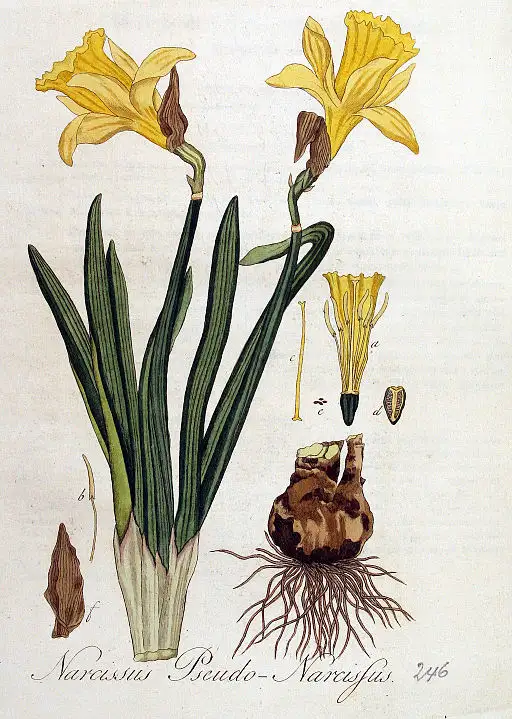
Narcissus Pseudonarcissus
Narcissus (Daffodil / Jonquil)
Symbolises: New Beginnings, Renewal, Eternal Life
The Narcissus is the herald of spring. While Greek mythology warns of vanity (the youth Narcissus who fell in love with his reflection), in floriography, the flower is the ultimate symbol of Rebirth and Hope.
Read Full Symbolism
Triumph Over Winter:
In European culture, it is associated with Easter and the Resurrection. It symbolizes the triumph of life over the “death” of winter. In China, it is a symbol of good fortune and prosperity for the New Year.
Faux Advantage:
Faux Narcissus bulbs allow you to capture that specific moment of “Spring Awakening” at any time of year, offering a permanent reminder of hope at a gravesite.
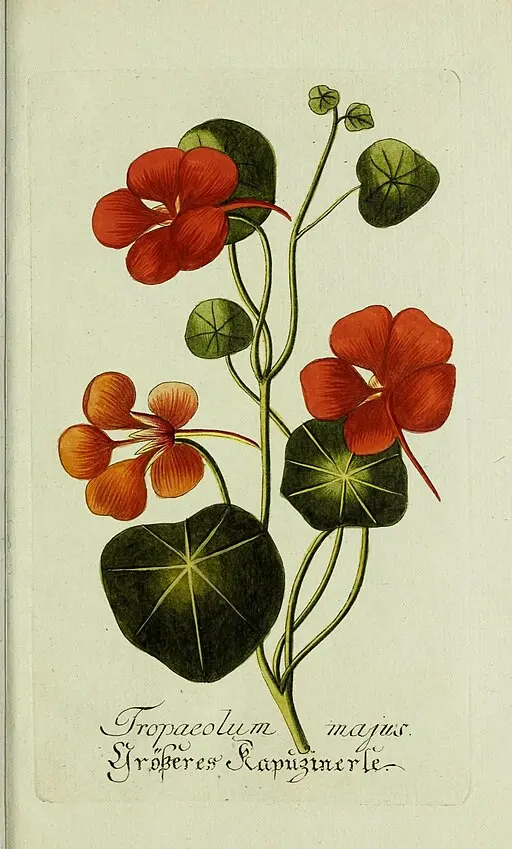
Tropaeolum Majus
Nasturtium
Symbolises: Victory, Patriotism, Conquest
With its shield-shaped leaves and helmet-shaped flowers, the Nasturtium is a flower of **Victory and Conquest**. Its name comes from the Latin for “nose-twister” due to its peppery scent.
Read Full Symbolism
A Hero’s Tribute:
In Victorian times, it represented patriotism and victory in battle. In a memorial context, it honours a person who fought hard, overcame struggles, or lived a life of vibrant, fiery energy.
O is for Orchid
The letter O introduces us to the exotic and the unexpected. It is dominated by the **Orchid** family—blooms of such complex beauty they have fascinated botanists for centuries.
From the wild resilience of the **Oxeye Daisy** to the warm embrace of **Orange** tributes, this collection represents rare beauty, refinement, and the celebration of unique lives.
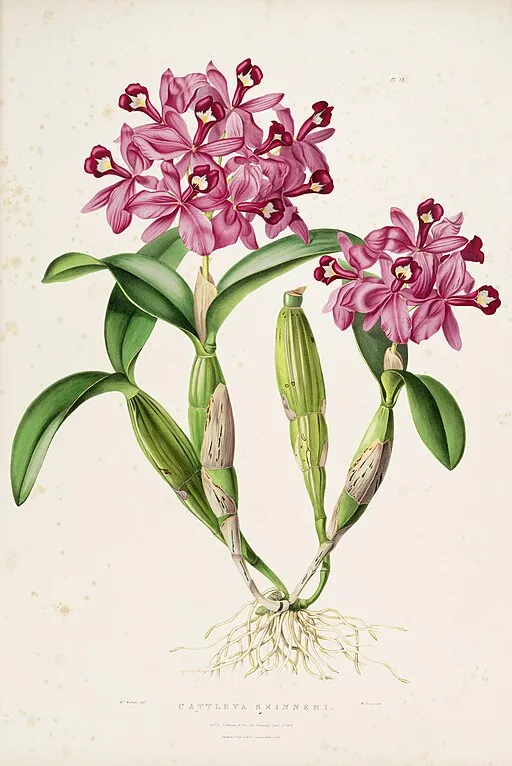
Orchidaceae
Orchid (General)
Symbolises: Beauty, Luxury, Refinement
The Orchid family is one of the largest in the plant kingdom, known for its intricate, architectural blooms. Universally, the Orchid is a symbol of Rare Beauty and Luxury.
Read Full Symbolism
The Soul’s Transition:
In many cultures, the Orchid is associated with the afterlife and the transition from life to death. Its exotic nature suggests a beauty that is not of this world, making it a fitting tribute for a soul that was unique and refined.
Longevity:
Because orchid blooms can last for weeks or even months, they symbolize long-lasting affection and the endurance of memory.
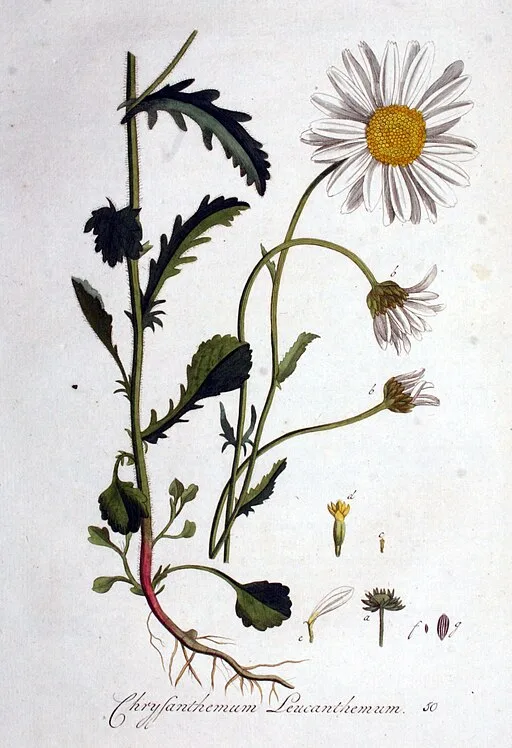
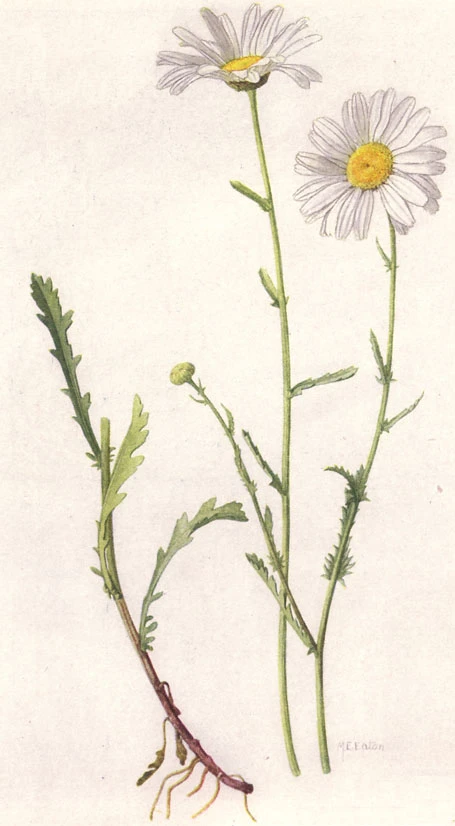
Leucanthemum Vulgare
Oxeye Daisy
Symbolises: Patience, Renewal, Natural Beauty
A classic wildflower of meadows, the Oxeye Daisy features a bright yellow eye surrounded by white petals. It symbolizes Patience and Renewal.
Read Full Symbolism
Wild Resilience:
While not a traditional funeral flower, finding them growing near a gravesite is often interpreted as a sign of life persisting in the face of death. In a tribute, they represent a simple, unpretentious spirit who loved the wildness of nature.
Colour Focus: The Meaning of Orange
Orange is the colour of Warmth, Energy, and Creativity. Unlike the sombre tones of traditional mourning, orange celebrates the vitality of the life that was lived.
In a cemetery setting, Orange Marigolds, Tulips, or Gerberas bring a burst of “sunshine,” symbolizing that the warmth of the loved one’s spirit still remains. It is often associated with strength, determination, and a life lived with gusto.
Shop Orange TributesP is for Peony
The letter P is a powerhouse of symbolism. It brings us the healing comfort of the **Peony**, the remembrance of the **Poppy**, and the thoughtful contemplation of the **Pansy**.
From the cheerful **Petunia** to the elegant **Phalaenopsis**, this collection is defined by deep emotion, healing, and the honouring of memories that never fade.
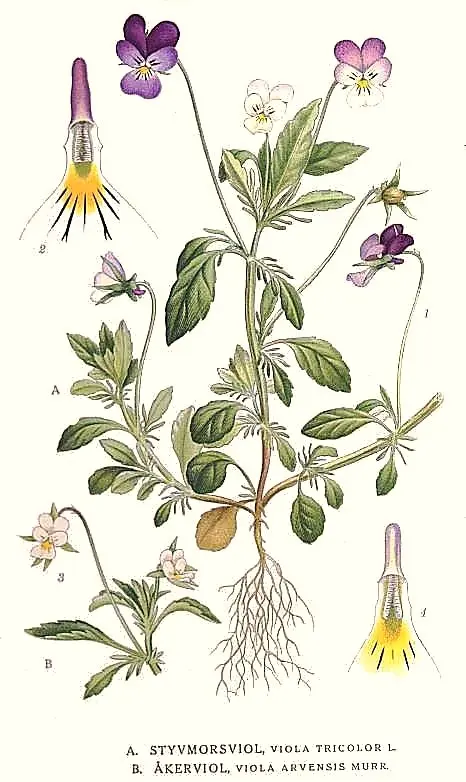
Viola Tricolour
Pansy
Symbolises: Loving Thoughts, Remembrance
The name “Pansy” is derived from the French pensée (“thought”). With their face-like markings, they have long symbolized Loving Thoughts and Remembrance.
Read Full Symbolism
Thinking of You:
In the language of flowers, giving a Pansy simply means “I am thinking of you.” In a memorial context, planting pansies at a gravesite is a way of saying that the departed is always in your thoughts. They also represent the Holy Trinity in Christian lore due to their three-petal symmetry.
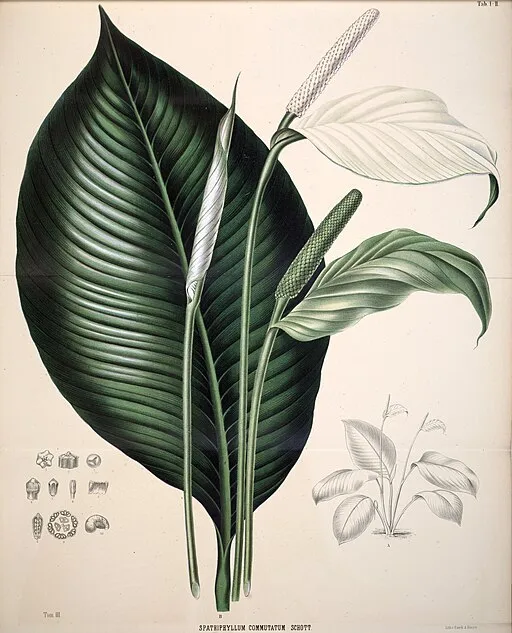
Spathiphyllum
Peace Lily
Symbolises: Peace, Sympathy, Restoration
The Peace Lily is the most common living plant sent as a sympathy gift. Its white spathe (bract) resembles a white flag of surrender—symbolizing Peace and the Cessation of Struggle.
Read Full Symbolism
Living Memory:
Unlike cut flowers, a Peace Lily continues to grow, serving as a living reminder of the deceased. It represents the restoration of the soul to a state of peace.
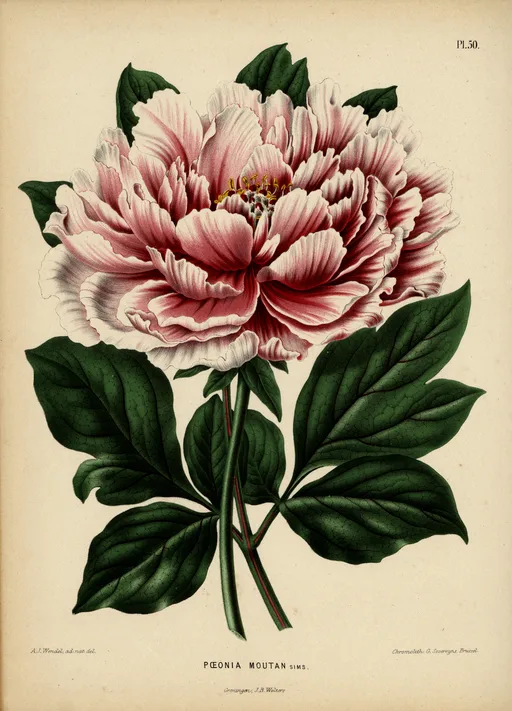
Paeonia
Peony
Symbolises: Healing, Honour, Prosperity
Known as the “King of Flowers” in China, the Peony is a symbol of Wealth, Honour, and Healing. Its lush, full head represents a life lived to the fullest.
Read Full Symbolism
The Healing Flower:
Named after Paeon (the physician to the Greek gods), the Peony represents healing—not just physical, but the emotional healing that comes after grief. It is a noble tribute for someone who was deeply respected.
Faux Advantage:
Real Peonies have a very short blooming season (late spring). Our Faux Peonies allow you to place this magnificent flower at a gravesite year-round, regardless of the season.
Peony Colour Meanings
- White: Purity, Peace, and the dignity of a virtuous life.
- Pink: Love, Honour, and Romance.
- Red: Passion, Courage, and Respect.
- Yellow: Friendship, Happiness, and New Beginnings.
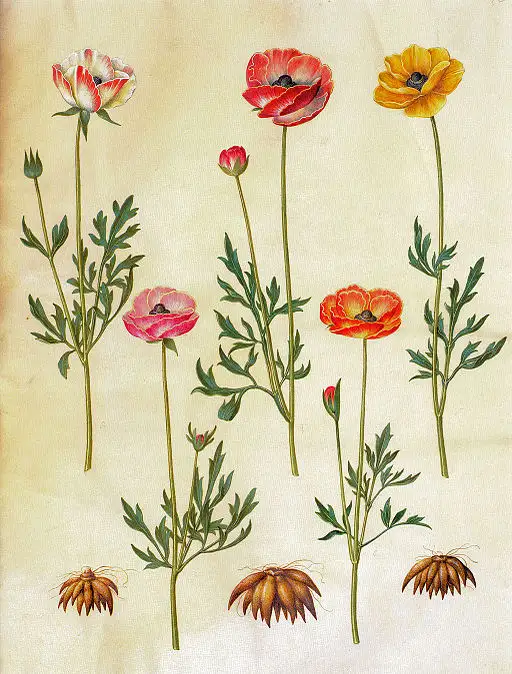
Ranunculus Asiaticus
Persian Buttercup (Ranunculus)
Symbolises: Radiant Charm, Attraction
With its paper-thin layers of petals, the Ranunculus symbolizes Radiant Charm. It sends the message: “I am dazzled by your charms.”
Read Full Symbolism
A Cheerful Memory:
While historically less common in cemeteries than lilies, their bright, rose-like appearance makes them a modern favourite for celebrating a vibrant personality. They bring a pop of joy and colour to a memorial.
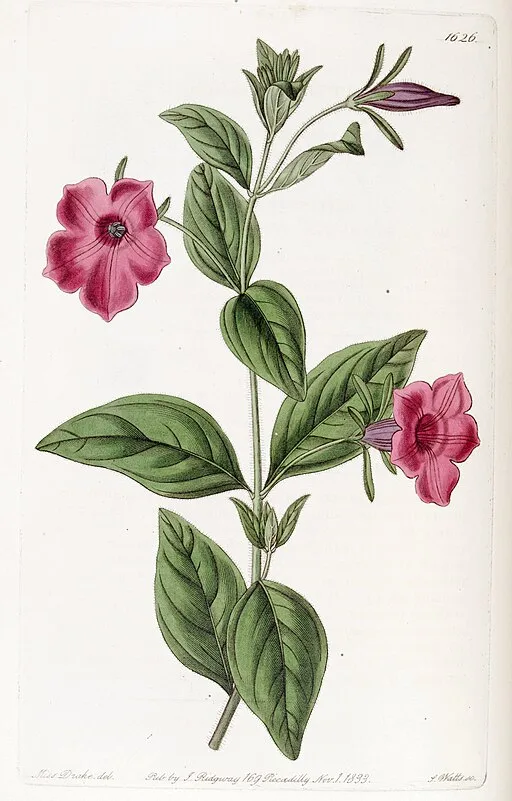
Petunia Violacea
Petunia
Symbolises: Comfort, Your Presence Soothes Me
The Petunia is a flower of contradiction. In some Victorian texts, it meant “Resentment,” but in modern European culture, it symbolizes Comfort and Peace.
Read Full Symbolism
Soothing Presence:
Today, it is most often associated with the sentiment: “Your presence soothes me.” Placing Petunias at a memorial is a way of thanking the departed for the comfort they brought to your life.
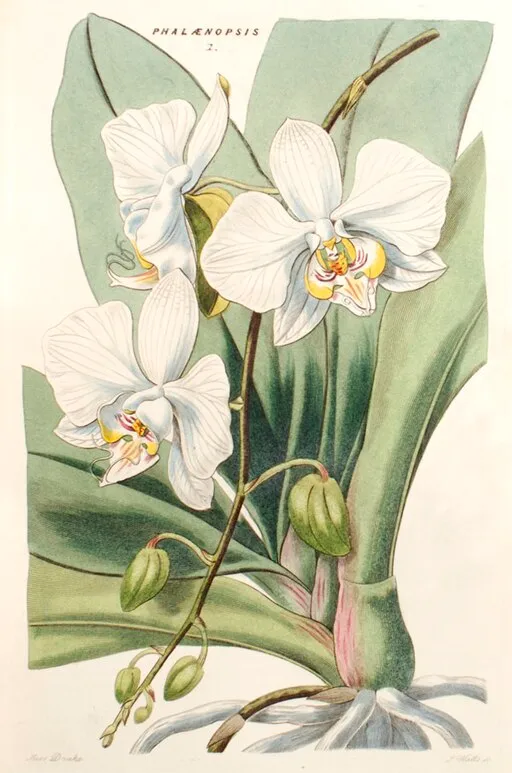
Phalaenopsis (Moth Orchid)
Phalaenopsis (Moth Orchid)
Symbolises: Elegance, Femininity, Eternal Love
The Moth Orchid is the epitome of Elegance and Femininity. Its graceful arching stems and long-lasting blooms make it a symbol of love that endures.
Read Full Symbolism
Modern Elegance:
It is widely used in modern memorials as a sophisticated alternative to traditional bouquets. In Asia, it is a symbol of good luck and prosperity, often used to honour the matriarch of a family.
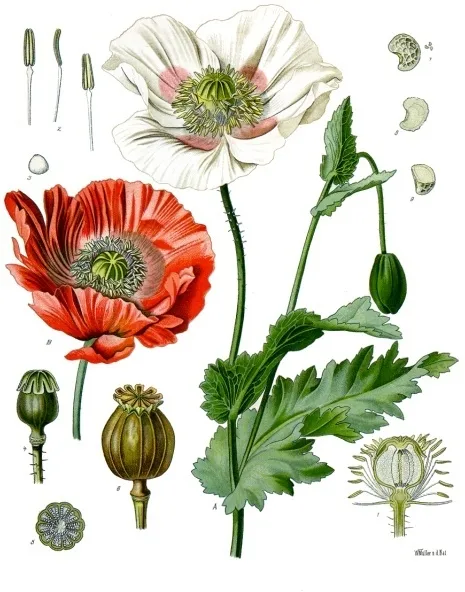
Papaver Somniferum
Poppy
Symbolises: Remembrance, Eternal Sleep, Sacrifice
The Red Poppy is the universal symbol of Remembrance and Sacrifice. Since World War I, it has been used to commemorate soldiers who fell in battle.
Read Full Symbolism
Lest We Forget:
In Australia and the Commonwealth, it is worn on ANZAC Day (April 25th) and Remembrance Day (November 11th). In a general funeral context, it signifies “Eternal Sleep” and peace, a nod to its historical use as a sedative (opium).
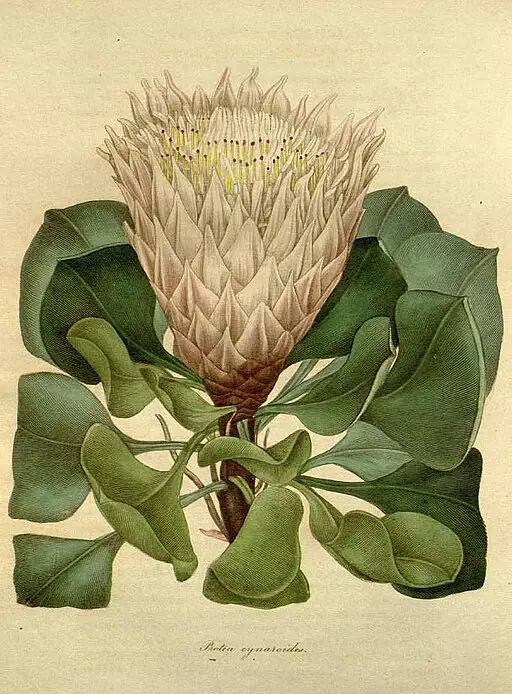
Protea Cynaroides (King Protea)
Protea (King)
Symbolises: Transformation, Courage, Diversity
Named after Proteus, the Greek god who could change his shape, the Protea represents Transformation and Daring. It is a prehistoric flower that has survived for millions of years.
Read Full Symbolism
A Modern Tribute:
Its bold, architectural shape makes it a popular choice for modern, masculine, or Australian native-themed tributes. It represents a spirit that was strong, unique, and capable of adapting to change.
Colour Focus: The Meaning of Pink
Pink is the colour of Compassion, Nurturing, and Love. In a cemetery setting, it is softer than red and more personal than white.
It is the colour of motherhood and innocence. Placing Pink Roses, Peonies, or Carnations at a gravesite evokes a gentle, caring spirit—someone who was a source of kindness and emotional support.
Shop Pink TributesColour Focus: The Meaning of Purple
Purple has long been associated with Royalty, Wisdom, and Mystery. In a memorial context, it signifies deep respect and admiration for a life lived with dignity.
It also carries a spiritual dimension, representing the transition of the soul. Dark purple evokes sorrow and reverence, while lighter shades (Lilac/Lavender) suggest youth and spiritual peace.
Shop Purple Tributes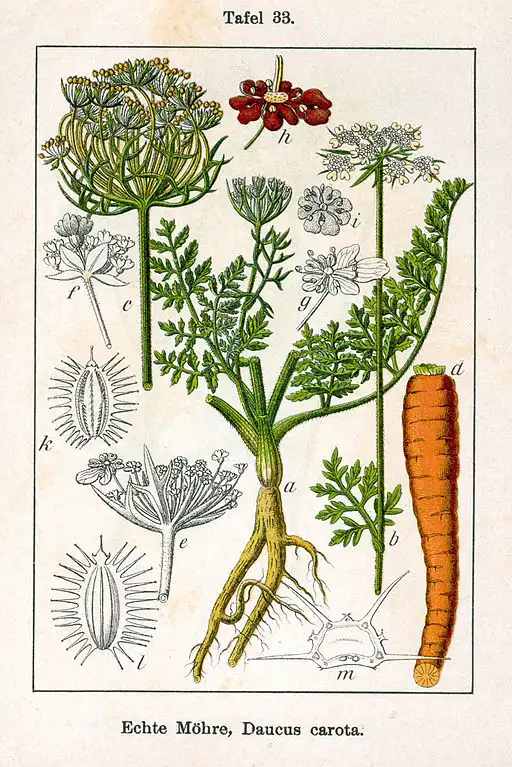
Daucus Carota
Queen Anne’s Lace
Symbolises: Sanctuary, Protection
With its delicate, lace-like canopy, this wildflower symbolizes Sanctuary. Legend says the red center represents a drop of blood from Queen Anne, who pricked her finger while making lace.
Read Full Symbolism
A Place of Safety:
In floral tributes, it acts as a protector, offering a “sanctuary” for the other flowers in the arrangement. It represents a safe haven and a gentle, protective love.
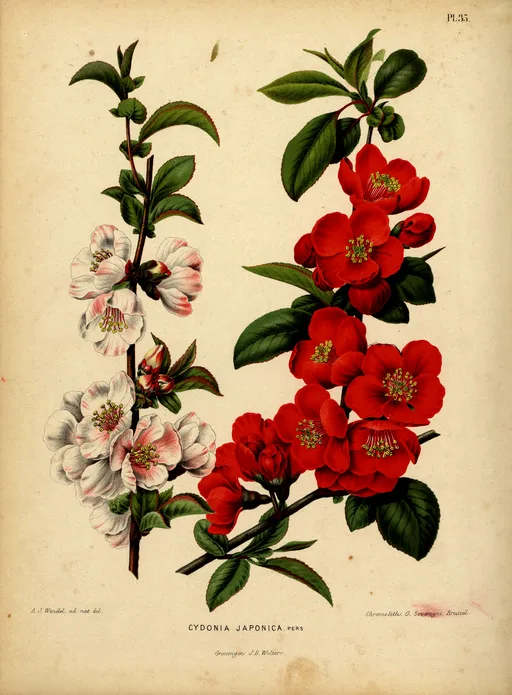
Chaenomeles Speciosa
Quince Flower
Symbolises: Perseverance, Longevity, Temptation
The Flowering Quince is one of the first shrubs to bloom in late winter, often on bare, thorny branches. This hardiness has made it a symbol of Perseverance and Longevity.
Read Full Symbolism
Ancient Roots:
In Ancient Greece, the Quince fruit was sacred to Aphrodite and given to brides to ensure a happy marriage. In a memorial context, the flower represents a love that has weathered storms and endured for a lifetime.
R is for Rose
The letter R belongs to the Queen of Flowers. The **Rose** has been cultivated for 5,000 years and has a language so complex it can express everything from “I love you” to “I am sorry.”
Alongside the radiant **Ranunculus** and the remembrance of **Rosemary**, this collection defines the very heart of human emotion.
Ranunculus
Symbolises: Radiant Charm, Attraction
Also known as the Persian Buttercup, the Ranunculus is loved for its tissue-thin layers of petals. It symbolizes Radiant Charm and says, “I am dazzled by you.”
Read Full Symbolism
A Celebration of Charisma:
In a memorial context, it celebrates a vibrant, charismatic personality. Unlike somber blooms, the Ranunculus brings a pop of joy, honouring a life that was lived with sparkle and energy.
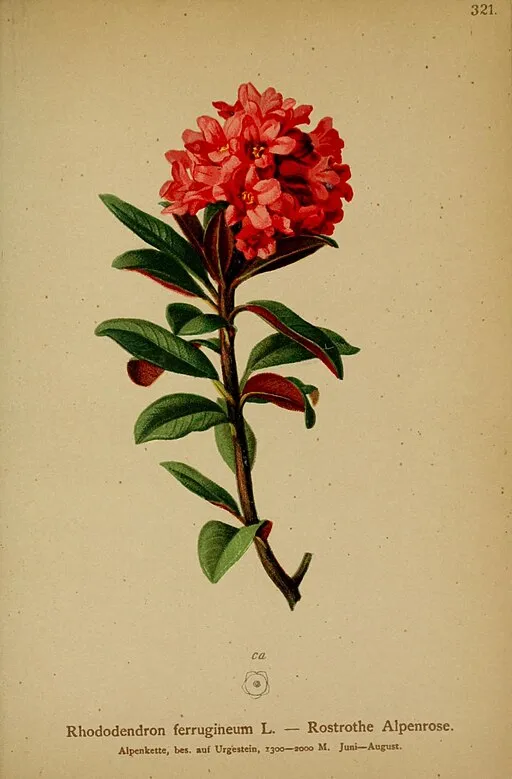
Rhododendron Ferrugineum
Rhododendron
Symbolises: Caution, Danger, Elegance
The Rhododendron is a flower of duality. While stunningly beautiful, it is toxic. In Victorian floriography, it meant “Beware” or “Danger.”
Read Full Symbolism
Respectful Distance:
Today, the meaning has softened to represent Elegance and Wealth. It acknowledges that beauty can be powerful and sometimes dangerous. It is a flower of respect, warning others to treat the recipient with care.
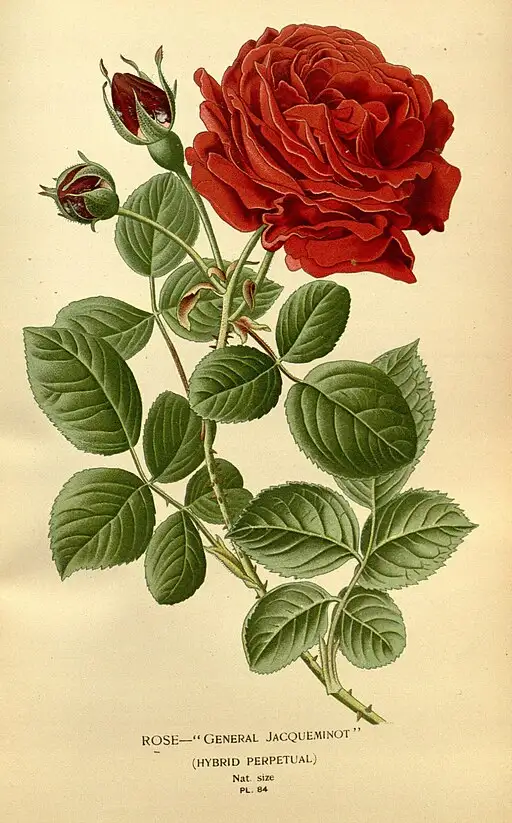
Rosa
Rose
Symbolises: Love, Honour, Faith, Beauty
The Rose is the universal language of love. Sacred to Aphrodite (Greek) and Venus (Roman), it has been the ultimate symbol of Passion and Devotion for thousands of years.
Read Full Symbolism & History
The Flower of Secrecy:
The Latin phrase sub rosa (“under the rose”) means confidentiality. Roses carved into confessionals or meeting halls signified that whatever was spoken there would remain secret forever—a beautiful sentiment for the final confidence of death.
Faux Advantage:
Fresh roses wilt within days, often bowing their heads in a way that looks sad. Our “Real-Touch” Faux Roses capture the peak perfection of the bloom, ensuring your tribute looks dignified and vibrant for months.
The Rose Colour Decoder
- Red: Deep Love, Respect, Courage, and Grief (“I love you”).
- White: Purity, Innocence, Silence, and Secrecy (Rosa Alba).
- Pink: Grace, Gratitude, and Appreciation (“Thank you”).
- Yellow: Friendship, Joy, and Caring (No longer means jealousy).
- Orange: Fascination, Enthusiasm, and Desire.
- Violet/Purple: Enchantment, Majesty, and Splendour.
- Black: Death, Farewell, and the end of a journey (often deep red).
- Blue: The Impossible, Mystery, and the Unattainable.
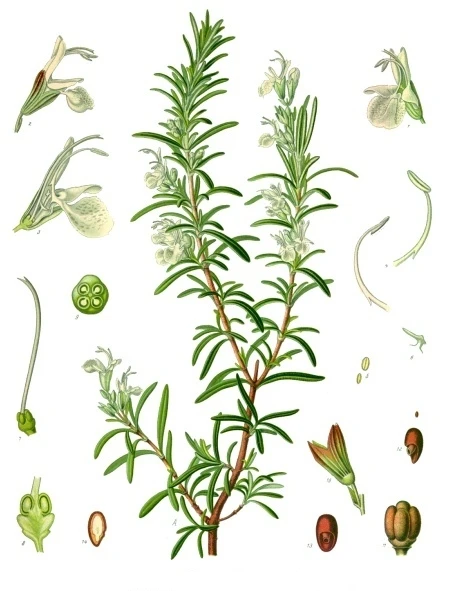
Salvia Rosmarinus
Rosemary
Symbolises: Remembrance
“There’s rosemary, that’s for remembrance; pray, love, remember.” — Shakespeare (Hamlet). This aromatic herb is the universal symbol of Remembrance.
Read Full Symbolism
Lest We Forget:
In Australia, a sprig of Rosemary is worn on ANZAC Day to honour the fallen. Placing it in a funeral bouquet is a promise that the deceased will never be forgotten. It is one of the most powerful symbols in the entire floral lexicon.
Colour Focus: The Meaning of Red
Red is the colour of the heart—representing Love, Passion, and Courage. In a memorial setting, it is not a quiet colour; it is a bold declaration of emotion.
Red flowers (Roses, Carnations, Poppies, Tulips) are chosen to say “I loved you deeply” and to honour a spirit that was brave and full of life. It also carries religious significance, symbolizing the blood of Christ and sacrifice.
Shop Red TributesThe Rosaceae Family
The Rose family is one of the most economically important families, giving us not just Roses, but apples, pears, almonds, and strawberries. It is defined by beauty and abundance.
The Ranunculaceae Family
Often called the “Buttercup Family,” this group includes Anemones, Clematis, and Delphiniums. They are known for their glistening petals and preference for cool, temperate climates.
S is for Sunflower
The letter S brings us flowers of structure and sunshine. It is dominated by the radiant **Sunflower**, a global icon of adoration and loyalty.
From the architectural curiosity of the **Snapdragon** to the nostalgic fragrance of **Stock**, this collection celebrates strength, joy, and the bittersweet nature of memory.
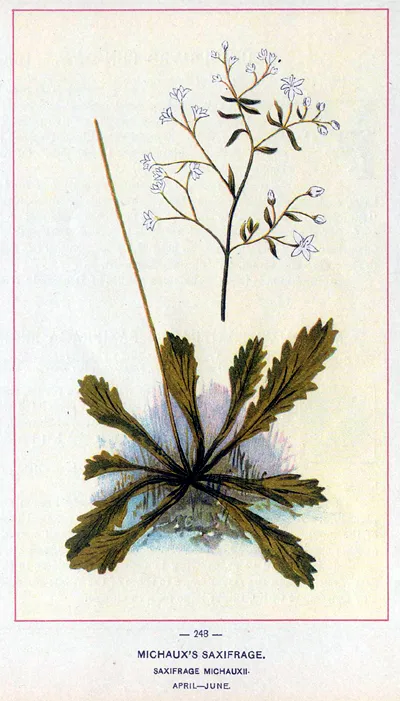
Saxifraga
Saxifrage
Symbolises: Perseverance, Determination
The name “Saxifrage” comes from the Latin saxum (rock) and frangere (to break). It literally means “Rock Breaker,” referring to its ability to grow in stone crevices. It symbolizes Perseverance and Determination.
Read Full Symbolism
Overcoming Odds:
In a memorial context, it honors a spirit that overcame great obstacles. White varieties symbolize purity and new beginnings, while pink implies grace. It is a testament to the strength of life even in the hardest places.
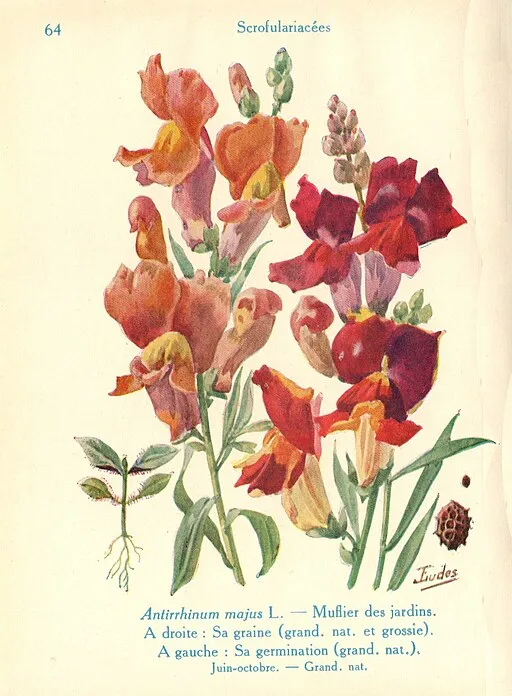
Antirrhinum Majus
Snapdragon
Symbolises: Strength, Graciousness, Deception
The Snapdragon is a flower of duality. With its dragon-shaped blooms that “snap” shut, it historically symbolized Deception, but also Graciousness and Strength.
Read Full Symbolism
Protective Power:
Ancient Greeks believed Snapdragons offered protection from witchcraft. In modern floristry, their tall, strong stems represent strength of character. They are often used in funeral sprays to add height and dignity.
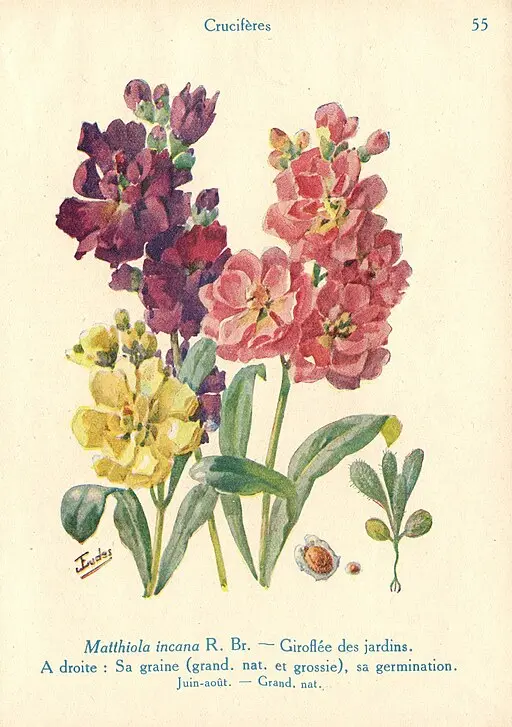
Matthiola Incana
Stock (Matthiola)
Symbolises: Lasting Beauty, Happy Life
Famous for its intense, clove-like fragrance, Stock is a staple of cottage gardens. It represents Lasting Beauty and a Happy Life.
Read Full Symbolism
The Scent of Memory:
Because the scent is so memorable, Stock is often included in funeral bouquets to create a lasting sensory memory. It speaks of a bond that remains sweet even after separation.
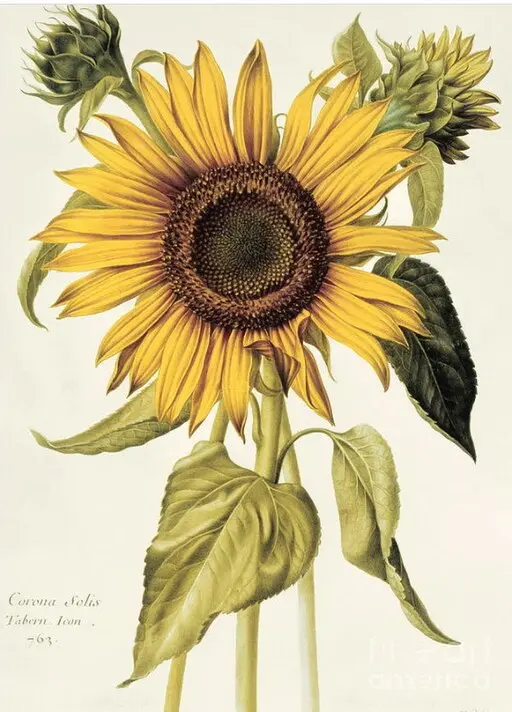
Helianthus Annuus
Sunflower
Symbolises: Adoration, Loyalty, Longevity
The Sunflower is named for its habit of turning its face to follow the sun across the sky (heliotropism). Because of this dedication, it is the ultimate symbol of Unwavering Loyalty and Adoration.
Read Full Symbolism
A Celebration of Life:
In a memorial context, Sunflowers are rarely somber. They celebrate a life lived with warmth, happiness, and vitality. They are often chosen for men or those with bright, sunny personalities who “lit up the room.”
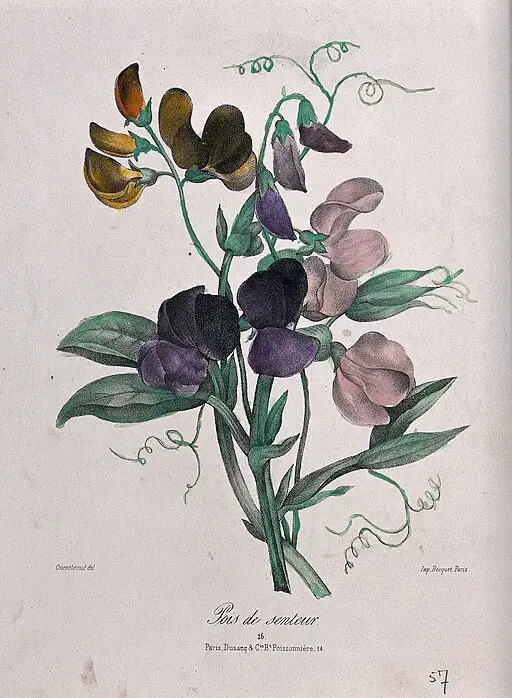
Lathyrus Odoratus
Sweet Pea
Symbolises: Delicate Pleasure, Good-bye
Though botanically a legume (see Letter F), the Sweet Pea is most commonly sought here. It is the definitive flower for saying “Thank you for a lovely time” and “Good-bye.”
Read Full Symbolism
The Gentle Farewell:
With its butterfly-like wings and fragile nature, it represents “Delicate Pleasure”—the acknowledgment that the most beautiful moments are often the most fleeting. It is a tender, nostalgic choice for a farewell.
T is for Tulip
The letter T represents perfect love. It is defined by the **Tulip**, a flower that caused a mania in the 17th century and remains a global symbol of passion and elegance.
Alongside the exotic pride of the **Tiger Lily**, this collection explores themes of wealth, pride, and the declaration of deep affection.
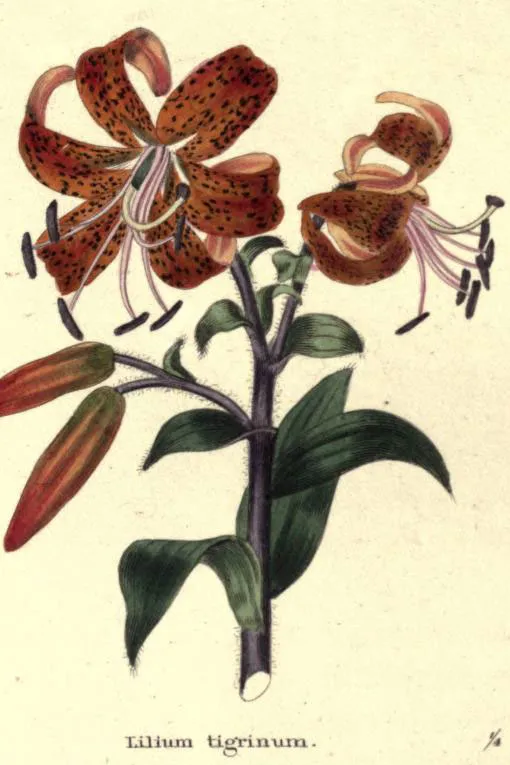
Lilium Lancifolium (Tigrinum)
Tiger Lily
Symbolises: Wealth, Pride, Prosperity
Widely recognized for its striking orange colour and distinctive black spots, the Tiger Lily symbolizes Wealth, Pride, and Confidence.
Read Full Symbolism
Cultural Significance:
In Asian cultures, it is a symbol of good fortune and prosperity. In Japan, it represents courage and power. In a Western context, its fiery appearance represents a warm, passionate spirit—someone who lived life boldly and with pride.
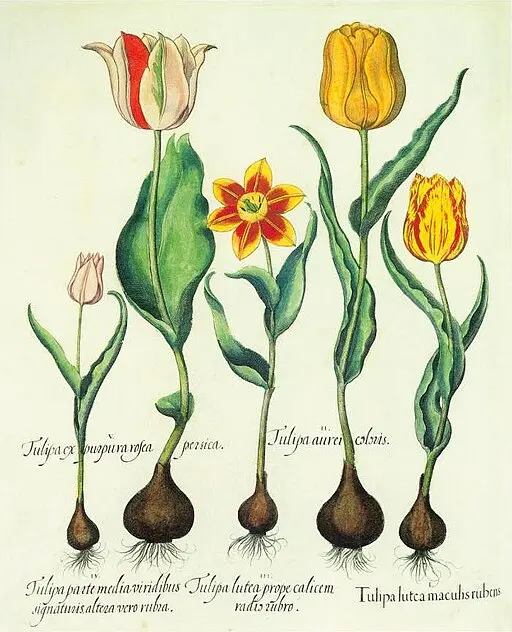
Tulipa
Tulip
Symbolises: Perfect Love, Fame, Charity
Originating in the mountains of Central Asia and popularized in the Netherlands, the Tulip is the emblem of Perfect Love. Its elegant, cup-shaped bloom represents a heart open to love.
Read Full Symbolism & History
New Beginnings:
As a bulb that blooms in spring, the Tulip is a powerful symbol of renewal, hope, and the eternal cycle of life. It suggests that even after the cold of winter (death), life returns in vibrant colour.
Faux Advantage:
Real tulips continue to grow in the vase and can droop quickly. Our “Real-Touch” Faux Tulips maintain their elegant, upright posture permanently, offering a lasting tribute of perfect love.
Tulip Colour Meanings
- Red: “Believe me” – A declaration of true, undying love and passion.
- Yellow: “There’s sunshine in your smile” – Cheerful thoughts (formerly hopeless love).
- White: Forgiveness, Worthiness, and remembrance.
- Purple: Royalty, Nobility, and admiration.
- Pink: Affection, Caring, and Confidence.
- Orange: Energy, Enthusiasm, and fascination.
Ursinia Nana
Ursinia (African Daisy)
Symbolises: Hope, New Beginnings, Comfort
Native to South Africa but widely loved in Australian gardens, the Ursinia is a cheerful bloom known for its bright yellow and orange petals. It symbolizes Hope and New Beginnings.
Read Full Symbolism
Bright Comfort:
In a cemetery setting, its vibrant face acts as a beacon of light. It is often used to mark the start of a new spiritual chapter or to bring a sense of warmth and comfort to a somber space.
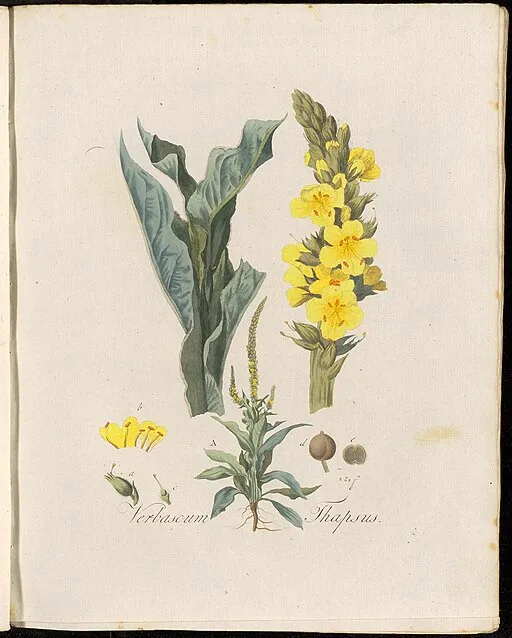
Verbascum Thapsus
Verbascum (Mullein)
Symbolises: Bravery, Strength, Protection
Known for its tall, stately velvet spikes, the Verbascum (Mullein) stands like a sentry in the garden. It has historically symbolized Bravery and Protection.
Read Full Symbolism
The Guardian:
In Ancient Greece, it was believed to have protective powers against evil spirits. Placing Verbascum at a gravesite is a symbolic gesture of leaving a “guardian” to watch over the resting place.
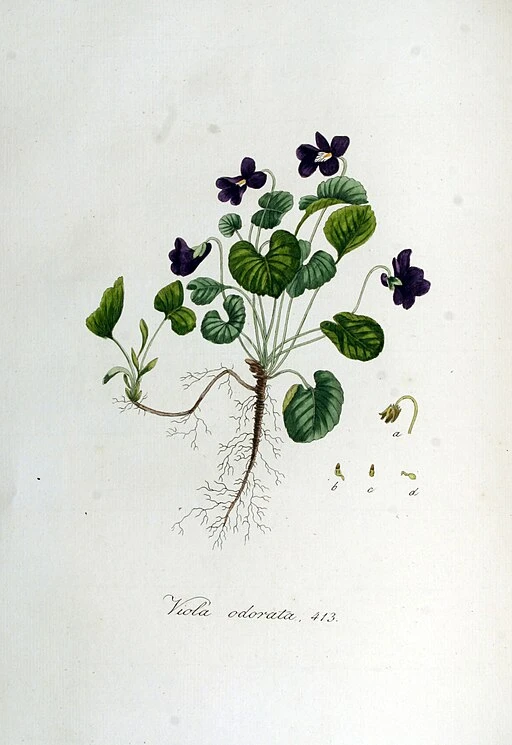
Viola Odorata
Viola (Violet)
Symbolises: Modesty, Faithfulness, Hidden Merit
The Violet is famous for “hiding” its scent and face, making it the ultimate symbol of Modesty and Faithfulness. In Shakespearean terms, it represents “Forwardness” (early blooming) and memory.
Read Full Symbolism
Faithfulness:
“I shall be true as the Violet.” In a memorial context, it represents a faithful love that does not need to be loud to be real. White Violets symbolize innocence, while Blue/Purple Violets symbolize devotion.
Colour Focus: The Meaning of Violet
Violet is the colour of Spirituality, Imagination, and Sorrow. Darker than purple, it carries a heavy, respectful weight often associated with mourning kings and queens.
In ancient Rome, it was the colour of the afterlife. Using violet flowers in a tribute signifies deep respect for the mystery of death and the hope of what lies beyond.
Shop Violet TributesW is for Wisteria
The letter W brings us the cascading romance of **Wisteria** and the rugged endurance of the Australian **Waratah**. This section contrasts the delicate weeping form of the vine with the fiery strength of native bushland.
It also explores the letter X—represented by the **Xerochrysum** (Paper Daisy), a flower that dries without fading, perfectly symbolizing eternal memory.
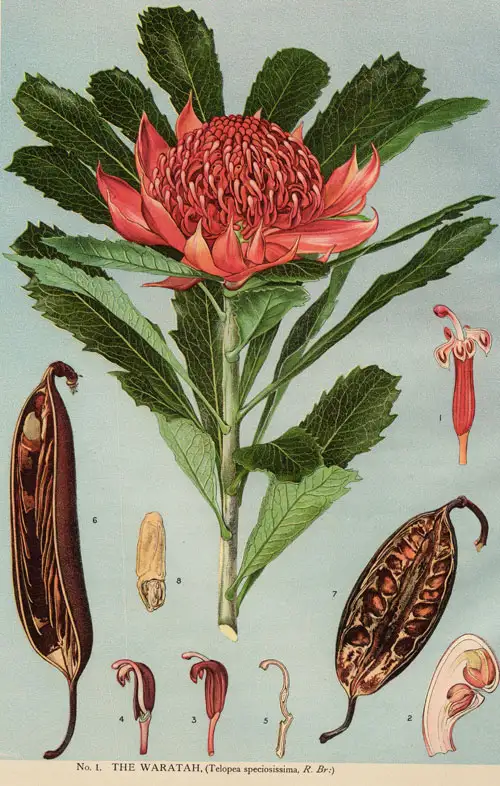
Telopea Speciosissima
Waratah
Symbolises: Courage, Strength, Survival
The floral emblem of New South Wales, the Waratah name means “seen from afar.” It is a powerful symbol of Courage and Survival.
Read Full Symbolism
Australian Resilience:
Rising from the ashes of bushfires, the Waratah represents a spirit that cannot be conquered. It is a deeply meaningful tribute for someone who was a “fighter” or had a strong, bold presence in life.
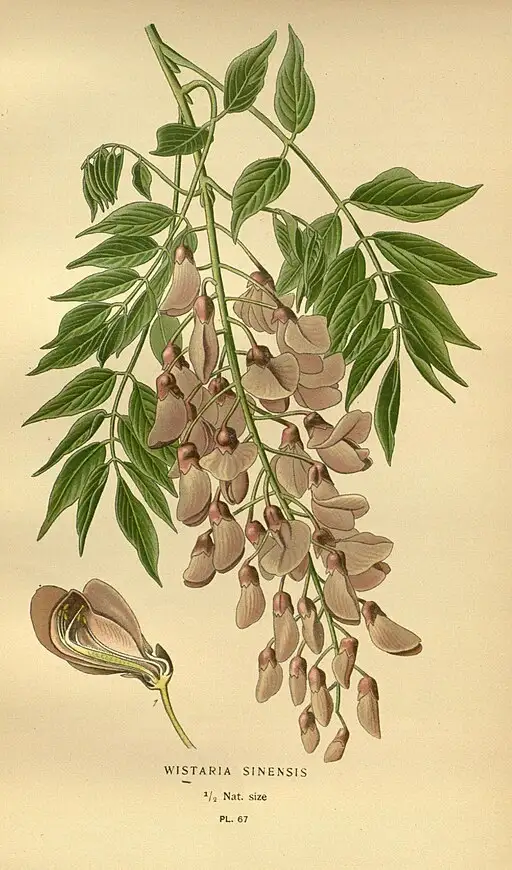
Wisteria Sinensis
Wisteria
Symbolises: Love, Endurance, Immortality
Known for its cascading racemes of purple or white blooms, Wisteria represents Endurance and Immortality. The vine lives for decades, growing stronger with age.
Read Full Symbolism
The Eternal Bond:
In Japan, it is a symbol of love and a bond that lasts forever. Its weeping habit makes it visually appropriate for mourning, yet its vigorous growth speaks of life continuing. Faux Wisteria is popular for decorating grave arches or pergolas.
Colour Focus: The Meaning of White
White is the most traditional colour for funerals in both Western and Eastern cultures, though for different reasons. It symbolizes Purity, Peace, and the Soul.
White Lilies, Roses, and Chrysanthemums suggest that the soul of the departed has been restored to innocence. It is the colour of light, angels, and surrender to a higher peace.
Shop White TributesThe Symbolism of the Wreath
The circular shape of a wreath has no beginning and no end. It is the universal symbol of Eternity and the Circle of Life.
Read History & Styles
Victory over Death:
In Ancient Rome, wreaths were symbols of victory. In a funeral context, this translates to the “Victory of the Soul” over death. Placing a wreath is a gesture of honouring a life that has completed its earthly cycle but continues in spirit.
Genus Xanthe
Xanthes Flower
Symbolises: Passion, Romance, Life
Often referred to as the “yellow wildflower,” the Xanthes flower is celebrated for its vibrant energy. It symbolizes Love, Passion, and Romance.
Read Full Symbolism
Historical Context:
In Ancient Egyptian culture, Xanthes were considered a symbol of life and the afterlife, used in ceremonies to guide the dead. In Greek mythology, they were associated with Hecate, goddess of the underworld, representing the light within darkness.
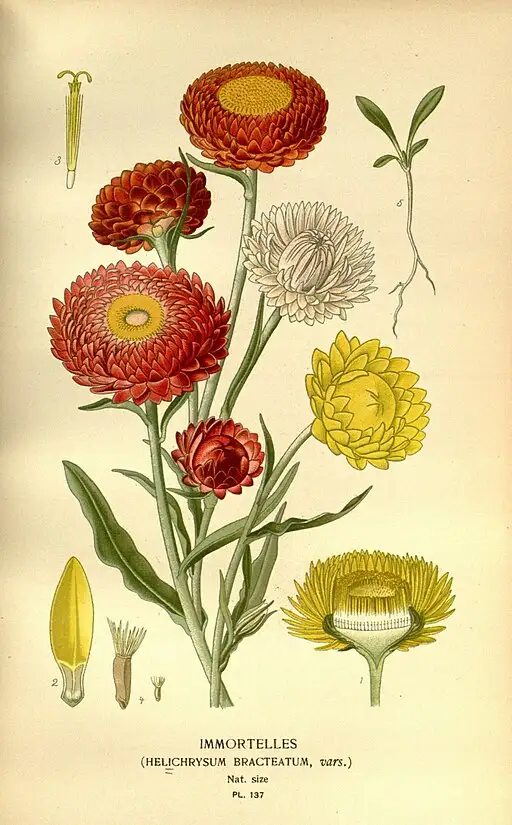
Xerochrysum Bracteatum (Paper Daisy)
Xerochrysum (Golden Everlasting)
Symbolises: Eternal Memory, Immortality
The Australian Paper Daisy (Xerochrysum) feels like stiff paper to the touch. Because the flower retains its colour and shape indefinitely after drying, it is a perfect symbol of Immortality and Eternal Memory.
Read Full Symbolism
The Everlasting Tribute:
Unlike fresh flowers that wilt, the Golden Everlasting remains bright forever. It is the botanical embodiment of the phrase: “I will never forget you.”
Y is for Yellow Daylily
The letter Y brings us the warmth of the sun. Leading the collection is the **Yellow Daylily**, a bloom that opens with the sun and fades at dusk, perfectly symbolizing the fleeting beauty of life.
This section is dedicated to friendship, devotion, and the promise of a new dawn.
Looking for Yarrow? See Achillea in Volume A.
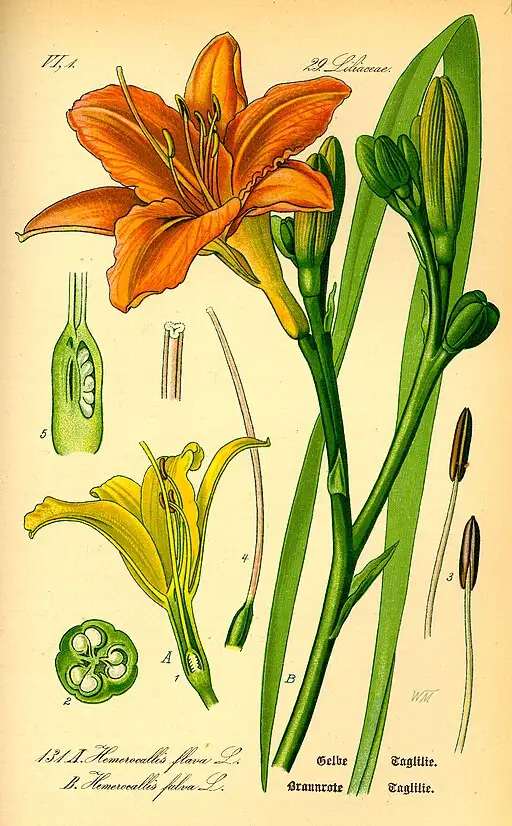
Hemerocallis
Yellow Daylily
Symbolises: Devotion, Forgetting Worries
The botanical name Hemerocallis means “Beauty for a Day.” Because each flower blooms for only one day, it represents the precious, fleeting nature of the present moment.
Read Full Symbolism
Releasing Sorrow:
In Chinese culture, the Daylily is known as the “flower that forgets worries.” It is often planted or given to help people let go of their sorrow and find peace. In a memorial context, it symbolizes the hope that the pain of grief will eventually give way to happy memories.
Colour Focus: The Meaning of Yellow
Yellow is the colour of Friendship, Joy, and New Beginnings. While historically it sometimes symbolized jealousy, in modern floriography, it is pure sunshine.
Placing yellow flowers (like Chrysanthemums, Tulips, or Roses) at a gravesite is a gesture of warm friendship. It celebrates the happiness the deceased brought to others, rather than focusing on the sadness of their departure.
Shop Yellow TributesZ is for Zinnia
The letter Z marks the end of the alphabet, but in the language of flowers, it represents the continuation of the soul. We conclude our guide with the **Zinnia**, a bloom of deep remembrance, and the **Zantedeschia**, a symbol of resurrection.
These flowers remind us that every ending is merely a prelude to a new beginning.
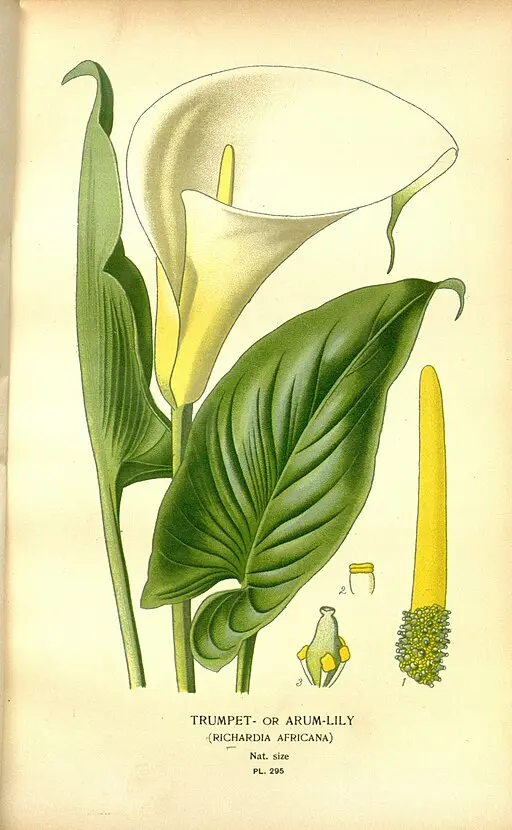
Zantedeschia Aethiopica
Zantedeschia (Calla Lily)
Symbolises: Resurrection, Eternal Life
Commonly known as the Calla Lily, the Zantedeschia is a flower of immense spiritual significance. Its single, trumpet-like petal (spathe) unfurling has long been a symbol of Resurrection and the Soul’s Triumph.
Read Full Symbolism
The Funeral Standard:
Documented in use since ancient times, it represents the restoration of innocence to the soul after death. It is one of the most dignified choices for a funeral spray, offering a message of hope for the life beyond.
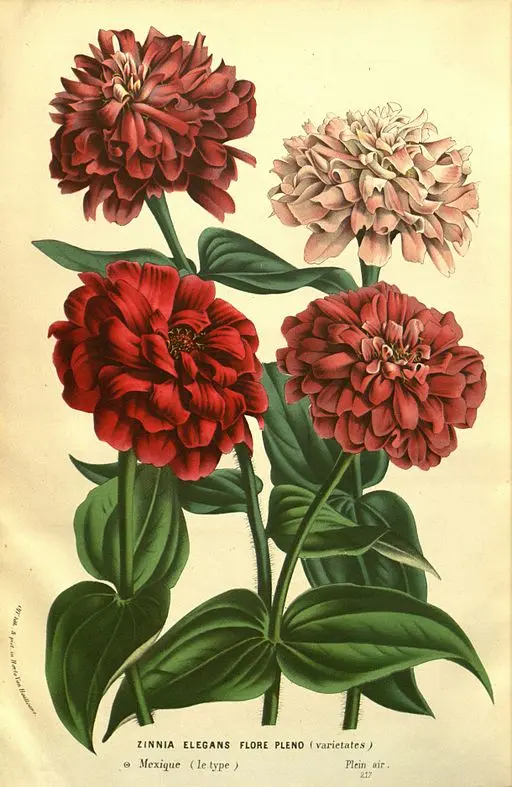
Zinnia Elegans
Zinnia
Symbolises: Thoughts of Absent Friends, Remembrance
The Zinnia is a flower of endurance and memory. In the Victorian language of flowers, it specifically symbolized “Thoughts of Absent Friends.” It serves as a bridge between the living and the dead.
Read Full Symbolism
Día de los Muertos:
In Mexico, the Zinnia (along with the Marigold) is essential to the Day of the Dead festivities. It is believed that their bright colours help guide the spirits of ancestors back to the world of the living for a night of celebration. It transforms mourning into a colourful reunion.
A Lasting Tribute:
Because Zinnias are incredibly hardy and long-lasting, they represent a love that does not wither easily. They are a perfect choice for those wishing to honour a vibrant, colourful spirit.
The Language of Flowers
You have reached the end of our A-Z guide. We hope these meanings help you find the perfect way to express your feelings when words are not enough.
Return to Library